
Blooming
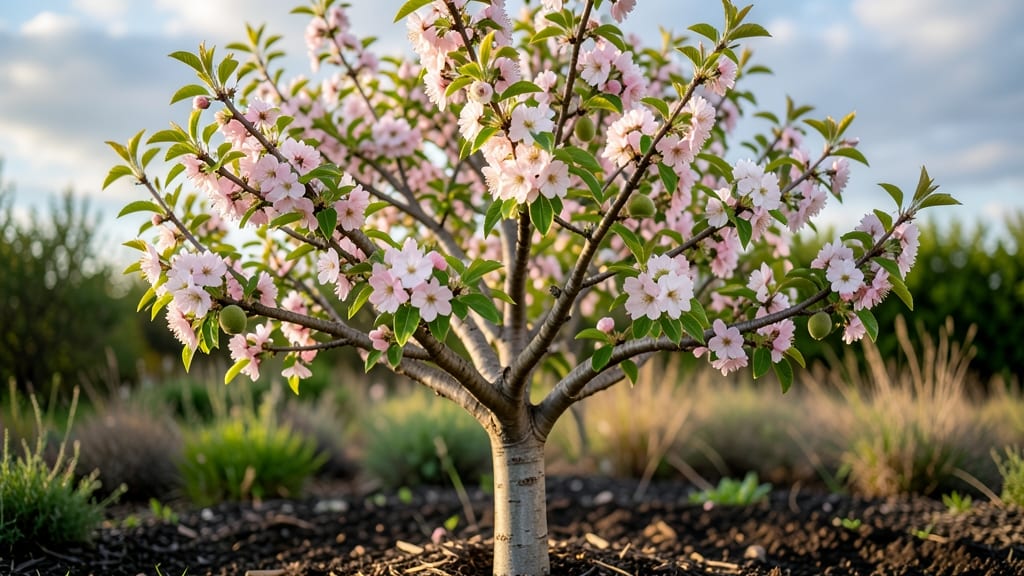
Peach trees in Texas bloom between late February and early April, depending on your heat zone and variety—timing that can make or break your harvest.
Texas gardeners know timing is everything—and peach trees demand precision. Bloom too early, and a late frost can wipe out your harvest; too late, and you miss peak flavor.
Here’s exactly when your 🍑 trees will burst into blossoms, broken down by variety and Texas heat zones—so you can plan ahead like a pro.
In North Texas (Zones 8a-8b), expect blooms as early as late February, while South Texas (Zones 9a-10a) sees them arrive in March. Varieties like 'Redhaven' bloom earlier, while 'Elberta' holds off until April, giving you a window to protect blossoms from unexpected cold snaps.
Below, I’ll walk you through the exact months for your region, how to spot frost risks, and the best varieties to plant for reliable blooms—so you can enjoy juicy peaches from your own tree by summer.
Peach tree bloom schedule by Texas heat zones (exact months)
Texas gardeners know peach trees thrive on precision—especially when it comes to blooming windows. In USDA zones 7-10, timing varies dramatically from North Texas to the Rio Grande Valley.
A late frost in zone 7 can devastate early bloomers, while zone 10 trees may flower twice in a season. Let’s break down the exact months for early, mid, and late-season varieties so you can protect blossoms and maximize fruit set.
First, understand that Texas heat zones create three distinct bloom phases. Early varieties like 'Contender' push buds in February, while late bloomers such as 'Redhaven' wait until March-April. Temperature swings of just 10°F can delay or advance flowering by weeks.
For example, a warm January in zone 8 might trigger early blooms, while a cold snap in March can freeze sensitive 'Elberta' blossoms.
Here’s your Texas peach bloom calendar, tailored by heat zone and frost risk:
| Heat Zone | Early Varieties | Mid-Season Varieties | Late Varieties | Frost Risk |
|---|---|---|---|---|
| Zone 7 (North Texas) | Feb 15–Mar 5 | Mar 10–25 | Apr 1–15 | High (until Mar 15) |
| Zone 8 (Central Texas) | Feb 20–Mar 10 | Mar 15–Apr 5 | Apr 10–25 | Moderate (until Mar 20) |
| Zone 9 (South Texas) | Jan 25–Feb 15 | Feb 20–Mar 10 | Mar 15–Apr 5 | Low (rare after Feb 15) |
| Zone 10 (Rio Grande Valley) | Jan 10–Feb 5 | Feb 10–Mar 5 | Mar 10–Apr 10 | Minimal (occasional Dec) |
Notice how zone 10 trees often bloom 6–8 weeks earlier than zone 7 counterparts. This early start means 'Contender' peaches in South Texas may ripen by May 1, while North Texas gardeners wait until June 15.
Heat also plays a role: zone 9-10 trees may experience secondary blooms after summer rains, though fruit from these late flowers is often smaller.
Temperature fluctuations are your biggest wild card. A 50°F night after 80°F days can shock buds into early bloom—only to get fried by a 90°F heatwave. In zone 8, I’ve seen 'Redhaven' trees drop blossoms entirely when March temperatures spike to 95°F before fruit sets.
To mitigate this, choose heat-tolerant varieties like 'Sanguinelli' or 'Bonanza', which handle zone 9-10 heat better than traditional types.
Pro tip: Monitor your local Cooperative Extension Service frost alerts. For example, Dallas (zone 8a) averages its last frost on March 15, but 2019’s late frost hit on April 1, wiping out 'Elberta' blooms.
If you’re in zone 7-8, delay planting early varieties until March 1 to avoid frost damage. In zone 9-10, focus on drought-resistant varieties like 'Halehaven' to survive summer heat stress.
Watering strategy also shifts during bloom. In zone 7-8, deep water once weekly to encourage strong root growth before flowering. But in zone 9-10, reduce watering to every 10–14 days—overwatering can stress trees and delay blooming. Always water early morning to prevent fungal issues on wet blossoms.
Finally, prune in late winter (January–February) to remove
Best peach varieties for Texas blooms: early vs. late season
Choosing the right peach tree variety for Texas means balancing bloom timing with heat tolerance. Early bloomers like 'Redhaven' risk frost damage in North Texas, while late varieties like 'Contender' thrive in South Texas's warmer climate. Let’s break down the best options for your region and bloom schedule.
Texas spans USDA zones 7-10, so bloom windows vary dramatically. Early-season varieties (February-March) need protection from late frosts, while late-season varieties (March-April) avoid frost risks but may face summer heat stress. Here’s how to match your variety to your Texas location for maximum success.
| Variety | Bloom Time | Heat Tolerance | Yield Reliability | Best Texas Zones | Planting Month |
|---|---|---|---|---|---|
| 'Redhaven' | Early (Feb-Mid March) | Moderate (needs afternoon shade in 9-10) | High (consistent fruit set) | 7-9 | Late winter (Jan-Feb) |
| 'Elberta' | Mid (Late March) | High (handles Texas heat well) | Very High (large fruit, prolific) | 7-10 | Early spring (Feb-Mar) |
| 'Contender' | Late (April) | Very High (best for South Texas) | High (disease-resistant) | 8-10 | Spring (Mar-Apr) |
| 'Halford' | Mid (Late March) | Moderate (needs water in summer) | High (freestone for fresh eating) | 7-9 | Late winter (Jan-Feb) |
| 'Suncrest' | Late (April) | Very High (drought-tolerant) | Moderate (smaller fruit) | 8-10 | Spring (Mar-Apr) |
🌱 Key: Late bloomers avoid frost but may need summer care in extreme heat.
For North Texas (zones 7-8), prioritize mid-to-late bloomers like 'Elberta' or 'Halford' to minimize frost risk. These varieties bloom after the average last frost date (mid-March in Dallas) and produce reliable yields even with Texas’s unpredictable spring weather.
In Central Texas (zones 8-9), 'Redhaven' performs well if planted in sheltered microclimates, but 'Contender' often outperforms due to its heat tolerance. This variety’s late bloom aligns perfectly with Austin’s March-April frost-free window, ensuring fruit set without stress.
South Texas gardeners (zones 9-10) should focus on late-season varieties like 'Suncrest' or 'Contender'. These trees handle 100°F+ temperatures better and bloom when frost threats are nearly nonexistent. Pair them with deep watering schedules to maintain fruit quality during summer heat.
Pro tip: Always prune in late winter to adjust bloom timing slightly. Removing water sprouts and thinning overcrowded branches improves airflow and reduces disease risk—critical for Texas’s humid summers. Monitor your tree’s progress and adjust care based on local weather forecasts.