
Blooming
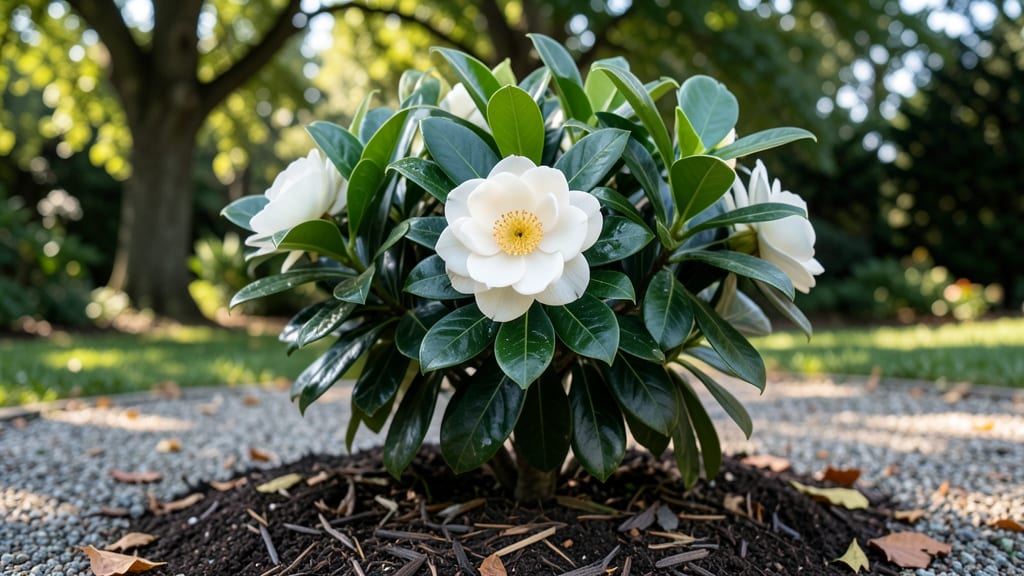
Gardenia blooms in Zone 9 typically start around March and peak through July, though late-season blooms can linger into September with the right care.
If you’ve ever dreamed of filling your Zone 9 garden with intoxicating gardenia blooms, timing is everything—miss the window, and you’ll be left with empty branches instead of fragrant perfection.
The secret lies in understanding how your gardenia’s 🌸 responds to Zone 9’s warm winters and dry summers. Too much heat or drought can delay blooms, while proper pruning and moisture levels can shift the timeline by weeks.
Below, I’ll break down the exact months to expect blooms, how to adjust for your local microclimate, and the 3 key care steps that guarantee a longer, more abundant flowering season.
Gardenias bloom timeline in Zone 9: month-by-month breakdown
If you’ve ever dreamed of filling your Zone 9 garden with intoxicating gardenia blooms, timing is everything. These tropical beauties thrive in our warm climate, but their blooming schedule follows precise seasonal cues. Understanding these patterns helps you maximize fragrance and beauty year after year.
Gardenias in Zone 9 typically bloom in two distinct waves: a primary bloom season from May through July and a secondary bloom in September and October. Unlike cooler climates, Zone 9’s mild winters and extended growing season create these extended blooming periods, making them perfect for year-round garden interest.
Evergreen gardenias, like Gardenia jasminoides, dominate Zone 9 landscapes, offering lush foliage and continuous blooming potential. Deciduous varieties, though rare in this zone, may exhibit slightly different timing but still align with these general patterns. The key to success lies in matching their natural rhythms with proper care.
| Bloom Stage | Typical Months in Zone 9 | Key Environmental Triggers | Pro Tips for Extending Blooms |
|---|---|---|---|
| Bud Formation | February - March | Warm soil temps (65°F+), increased daylight | Apply balanced fertilizer (10-10-10) in early March |
| Primary Blooms | May - July | Consistent 75-85°F temps, moderate humidity | Deadhead spent blooms weekly to encourage reblooming |
| Summer Dormancy | August | Heat stress (>90°F), reduced water availability | Provide afternoon shade and mulch to retain moisture |
| Secondary Blooms | September - October | Cooling temps (70-80°F), increased rainfall | Light pruning in August stimulates new growth for fall blooms |
| Winter Rest | November - January | Temps below 60°F, minimal growth | Reduce watering but maintain soil moisture |
Your gardenia’s blooming timeline begins with bud formation in February-March, triggered by warming soil temperatures and increasing daylight.
This is your cue to prepare for the main event: the primary bloom season from May through July, when your garden will be filled with creamy-white, highly fragrant flowers that attract pollinators and delight visitors.
August often brings a brief summer dormancy period as temperatures rise above 90°F. During this time, gardenias conserve energy, and blooming slows significantly. This is when proper shade and consistent moisture become critical to prevent stress and ensure a strong secondary bloom in September-October.
The September-October blooms often surprise gardeners with their late-season beauty. These flowers appear as temperatures begin to cool slightly, and humidity increases with the approach of fall rains. This second wave can be just as abundant as the primary blooms if you’ve maintained proper care throughout the summer.
Temperature fluctuations play a crucial role in gardenia blooming. While they thrive in Zone 9’s warm climate, extreme heat (>95°F) can stress plants, leading to fewer blooms. Conversely, cool nights (below 60°F) in winter signal dormancy. Monitoring these temperature shifts helps you anticipate bloom cycles and adjust care accordingly.
Evergreen varieties like Radicans and Fortuniana typically exhibit more consistent blooming throughout the year compared to deciduous types. However, even evergreens benefit from the seasonal patterns described above. The key difference lies in their foliage density, with evergreens providing year-round interest while deciduous types may show more dramatic seasonal changes.
To extend your gardenia’s blooming season, focus on three critical practices: regular deadheading, proper pruning, and consistent moisture. Removing spent blooms encourages new flower production, while strategic pruning after each bloom cycle promotes bushier growth.
Maintaining even soil moisture—especially during summer’s heat—helps prevent stress that could shorten the blooming period.
In Zone 9’s unique climate, gardenias offer a longer blooming window than in cooler regions. By understanding these monthly patterns and adjusting your care routine, you can enjoy fragrant gardenias from spring through fall—making your garden a year-round sanctuary of natural perfume.
How to adjust gardenia blooming for Zone 9’s unique climate
Zone 9’s warm winters and long summers create a perfect environment for gardenias—but timing blooms requires strategy. Unlike cooler zones, gardenias here can bloom year-round if conditions are right, though peak seasons still follow predictable patterns.
The key? Understanding how to shift bloom cycles using pruning, watering, and light adjustments tailored to your microclimate’s heat intensity.
If your gardenias are skipping blooms or flowering sporadically, it’s often due to stress from summer heat or improper pruning. In Zone 9, gardenias naturally bloom in late spring through summer, but with the right techniques, you can extend blooms into fall or even coax earlier spring flowers.
Let’s dive into practical adjustments to sync your gardenias with your ideal fragrance schedule.
- 🌱 Prune in late winter (Jan–Feb) to stimulate early blooms—remove 1/3 of old growth to encourage new, flower-rich branches.
- 💧 Water deeply in mornings during peak heat (June–Aug) to prevent bud drop—aim for 1–2 inches weekly.
- ☀️ Adjust light exposure by pruning nearby trees to ensure 4–6 hours of morning sun—afternoon shade is critical to avoid leaf burn.
For delayed blooms, check your fertilizer schedule. Gardenias in Zone 9 need balanced NPK (10-10-10) applied in early spring (March) to kickstart blooming. Avoid heavy feeding in summer, as it can overwhelm the plant and reduce flower production.
Instead, use a light feed in late summer (August) to prep for fall blooms.
Hotter microclimates (like urban areas) can stress gardenias, causing sparse or no blooms. To combat this, mulch heavily with organic matter to retain moisture and cool roots. A 3-inch layer of mulch can make a huge difference in summer survival—and blooming potential.
If your gardenias bloom but drop buds, it’s often due to low humidity or inconsistent watering. Try mist leaves lightly in the morning or place a tray of water nearby to boost humidity. This mimics their native tropical conditions and helps buds stay attached longer.
With these adjustments, you’ll extend blooms by 2–3 months and ensure your gardenias thrive year-round in Zone 9’s unique climate. The secret? Work with the heat, not against it—your garden will reward you with fragrance-packed seasons you’ll love. 🌸