
Blooming
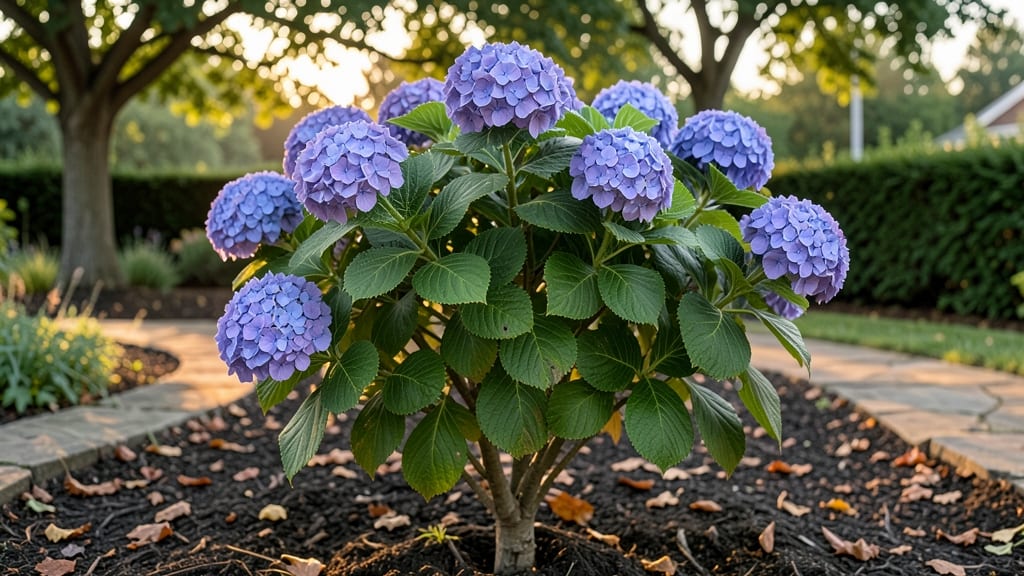
Hydrangeas bloom in the Northeast between late spring and early fall, with panicle types flowering June-August, bigleaf types June-July, and oakleaf types in mid-to-late summer. Cooler zones (5-6) may delay blooms by 2-4 weeks compared to warmer areas (7-8).
Hydrangea blooms in the Northeast hinge on both variety and climate—panicle types like 'Limelight' often reward gardeners with late-summer color, while bigleaf varieties such as 'Endless Summer' may start blooming as early as June. 🌸 The key difference lies in their growth habits: early bloomers set buds on old wood, while reblooming types produce flowers on new growth, allowing for extended displays.
Cooler zones (5-6) typically see delayed blooms due to slower spring warming, but strategic pruning and microclimate protection can help offset this.
For gardeners in zones 5-6, selecting cold-hardy varieties like 'Annabelle' or 'Little Lime' can push blooms earlier in the season. I've found that mulching heavily in fall and using row covers during late frosts helps jumpstart growth in spring, often shaving off 1-2 weeks from the bloom timeline.
The right variety and a little extra care can turn your Northeast garden into a vibrant hydrangea showcase from early summer through fall.
💡 In This Article
- Hydrangea Bloom Timing by Variety and Climate Zones
- Tips to Adjust Hydrangea Blooming in Cool Northeast Climates
Hydrangea bloom timing by variety and climate zones
The Northeast's hydrangea bloom schedule is a fascinating dance between biology and climate. Panicle hydrangeas (Hydrangea paniculata), like the popular 'Limelight' or 'Little Lime', are the late bloomers of the bunch, typically unfurling their cone-shaped flowers between mid-July and September.
Their secret? These varieties set buds on current season's growth, allowing them to wait until temperatures consistently stay above 50°F (10°C) before bursting into color.
In contrast, bigleaf hydrangeas (H. macrophylla), such as 'Endless Summer', usually bloom from late May through July, with their iconic round clusters appearing when daytime temperatures reach a steady 65°F (18°C).
Oakleaf hydrangeas (H. quercifolia) offer a mid-summer spectacle, with blooms typically emerging in June-July and lasting until frost. Their unique leaf shape and extended bloom period make them standout performers in Northeast gardens.
The key difference lies in their growth habits: early bloomers like bigleaf types set buds on old wood (last year's growth), while panicle and oakleaf varieties produce flowers on new wood, giving them more flexibility in cooler climates. 🌿 In zones 5-6, where springs can be slow to warm, these new-wood bloomers often compensate by starting their growth earlier in the season, sometimes as much as 3-4 weeks ahead of their southern counterparts.
USDA hardiness zones play a dramatic role in bloom timing. Gardeners in zone 7 might see 'Limelight' hydrangeas flowering by early July, while those in zone 5 could be waiting until mid-August for the same variety.
This 2-4 week delay occurs because cooler temperatures slow metabolic processes, including bud formation and opening. The phenomenon isn't just about temperature though—day length also matters.
Hydrangeas are day-neutral plants, meaning they don't rely on specific light periods, but cooler nights actually help preserve their vibrant colors by slowing pigment breakdown.
For those tracking bloom windows, smooth hydrangeas (H. arborescens) like 'Annabelle' offer a unique pattern—they bloom from June through August but often produce a second flush of smaller flowers in fall. This reblooming capability makes them particularly valuable in cooler climates where single-season bloomers might struggle.
The science behind reblooming involves careful pruning to encourage new growth while preserving some old wood for early flowers. In my own zone 6 garden, I've found that 'Annabelle' often starts blooming in early June, then puts on a second show in September when temperatures drop below 75°F (24°C).
Color changes also reveal climate influences. In cooler zones, hydrangea blooms often develop deeper hues because the slower growth allows more anthocyanin pigments to accumulate. For example, a pink 'Endless Summer' might appear more magenta in zone 5 than in zone 7.
This pigmentation shift creates stunning visual variations across the Northeast region. The cooler the climate, the more dramatic these color transformations tend to be, making each garden's hydrangeas uniquely beautiful based on their local microclimate.
Understanding these patterns helps gardeners make informed choices. If you're in zone 5 and want summer color, panicle types might be your best bet—they'll wait for perfect conditions before blooming, often delivering flowers when other varieties have already faded.
For continuous interest, mixing reblooming bigleaf types with panicle varieties creates a June-to-October hydrangea show that's hard to beat. The key is matching varieties to your specific climate conditions and understanding how each type responds to temperature shifts throughout the growing season.