
Propagation
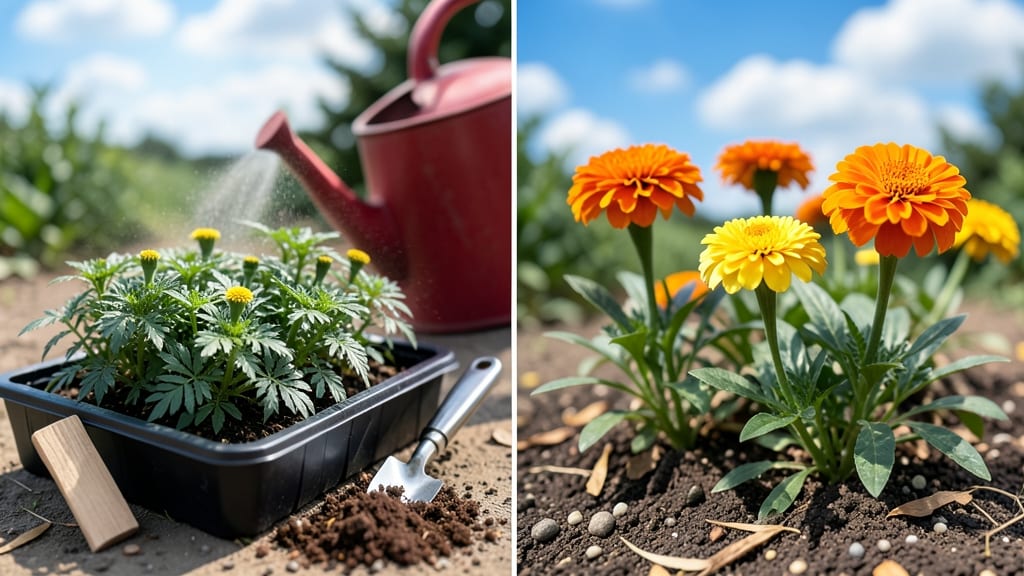
Marigolds bloom from seed in 60 to 75 days under ideal conditions, but timing can shift dramatically based on your zone and variety.
Picture this: you’ve just tucked those tiny orange seeds into the soil, dreaming of summer blooms—only to wonder if you’ll be picking them in July or waiting until September. The difference isn’t just about patience; it’s about soil warmth, sunlight, and even the type of marigold you’re growing.
In Zone 6a, where spring lingers and summer heat arrives late, most gardeners plant marigolds in March or April after the last frost. But if you’re in a warmer zone, you could see flowers as early as June with the right prep.
The secret? Start seeds indoors 6–8 weeks before your last frost date to give them a head start.
Below, I’ll break down the fastest varieties, how to adjust for your climate, and 5 pro tips to coax blooms weeks ahead of schedule—so you’re not left staring at green stems when the neighbors’ gardens are in full color.
How long until marigolds bloom from seed: variety-specific timelines
Marigolds are one of the fastest-blooming annuals, but their bloom times vary dramatically depending on the variety. French marigolds typically bloom 60-75 days after sowing, while African marigolds can take 75-90 days. Understanding these timelines helps you plan succession plantings for continuous color all summer long.
Seed packets often list days to maturity, but this includes germination time (usually 5-14 days for marigolds). Many gardeners forget to subtract germination days from the total, leading to overestimating bloom times.
For example, a packet showing 70 days to bloom might mean 56-65 days of actual growth after sprouting.
Here's a quick comparison of the most popular marigold varieties and their typical bloom timelines from seed:
French marigolds are the fastest bloomers, making them perfect for early-season color. I always plant them first in my garden to create instant visual impact. Their compact size also makes them ideal for interplanting with vegetables like tomatoes and peppers, which benefit from marigolds' pest-repelling properties.
African marigolds take longer to bloom but produce larger, showier flowers that last longer. These are my go-to for cut flower arrangements because their stems stay fresh in vases for weeks.
The extra time they need means you should start them 4-6 weeks earlier than French varieties if you want blooms at the same time.
Signet marigolds bridge the gap between French and African types. Their 60-70 day bloom time makes them ideal for container gardens or small spaces. I often use them in window boxes where height is limited but I still want vibrant color.
Their dwarf stature also makes them great for succession planting—you can sow new seeds every 3-4 weeks for continuous blooms.
To maximize your marigold blooms, always check the seed packet's days-to-maturity and subtract 7-10 days for germination time. For example, if a packet says 70 days to bloom, expect flowers in about 60 days after seeds sprout.
This adjustment helps you plan succession plantings more accurately, ensuring you have blooms all season.
Another pro tip: Plant marigolds in full sun locations (6+ hours daily) to cut 10-15 days off bloom times. In my Zone 7 garden, I've seen French marigolds bloom in as few as 50 days when given optimal light and warm soil temperatures.
Start seeds indoors 4-6 weeks before your last frost date if you're in a cooler climate to give them a head start.
Remember that soil temperature plays a crucial role. Marigold seeds germinate best in soil that's at least 60°F (15°C), but they grow fastest when soil reaches 70°F (21°C).
If your spring is cool, consider using black plastic mulch or a cold frame to warm the soil and speed up germination.
With proper planning and variety selection, you can enjoy marigold blooms from early summer through fall. My earliest French marigolds typically open in late May or early June, while African varieties follow about 2 weeks
Zone-by-Zone planting calendar for fastest marigold blooms
Timing your marigold planting by USDA zone ensures vibrant blooms all season. Since marigolds thrive in warm soil (70°F+), cooler climates need earlier starts. I’ll show you exact frost-date adjustments and soil prep tricks to maximize bloom speed in every zone.
Marigolds typically bloom 60-75 days from seed, but soil temperature and sunlight exposure can shift this timeline by weeks. For example, Zone 3 gardeners must start seeds indoors 8-10 weeks before last frost, while Zone 10 can direct-sow year-round. Let’s break down the best planting windows.
| USDA Zone | Last Frost Date | Optimal Planting Window | Bloom Timeline | Pro Tip for Cooler Zones |
|---|---|---|---|---|
| 3-4 | Mid-May | Indoors: March 15 Outdoors: June 1 |
80-90 days | Use row covers to extend season |
| 5-6 | Mid-April | Indoors: Feb 20 Outdoors: May 1 |
70-80 days | Start seeds in greenhouse for earlier blooms |
| 7-8 | Late March | Direct-sow: April 15 Successive: June 1 |
60-70 days | Use black plastic mulch to warm soil |
| 9-10 | None | Direct-sow: Feb 15 Fall: Sept 1 |
55-65 days | Sow every 3 weeks for continuous blooms |
| 11 | None | Year-round | 50-60 days | Plant near tomatoes for pest control |
For Zones 3-4, I recommend starting seeds indoors under grow lights 8-10 weeks before your last frost date. Harden off seedlings for 1 week before transplanting after soil warms to 70°F (21°C).
In Zones 5-6, you can cheat the system by sowing seeds directly into biodegradable pots and planting them right in the ground—no transplant shock!
In warmer Zones 7-10, marigolds bloom fastest when sown in full sun (6+ hours) and well-draining soil. For Zone 10, succession planting every 3 weeks ensures blooms from spring through fall. Pro tip: Mix African marigolds (taller) with French marigolds (compact) for layered color.
To extend blooms in cooler zones, use floating row covers in early spring or late fall. These lightweight fabrics trap heat while allowing sunlight. Remove covers when flowers appear to prevent overheating. For greenhouse growing, marigolds can bloom year-round with supplemental lighting during winter months.
Remember: Soil temperature matters more than air temperature. Use a soil thermometer to confirm readiness—marigolds won’t germinate below 60°F (15°C). For fastest blooms, pair your planting calendar with regular deadheading (removing spent flowers) to encourage new buds.