
Flowers
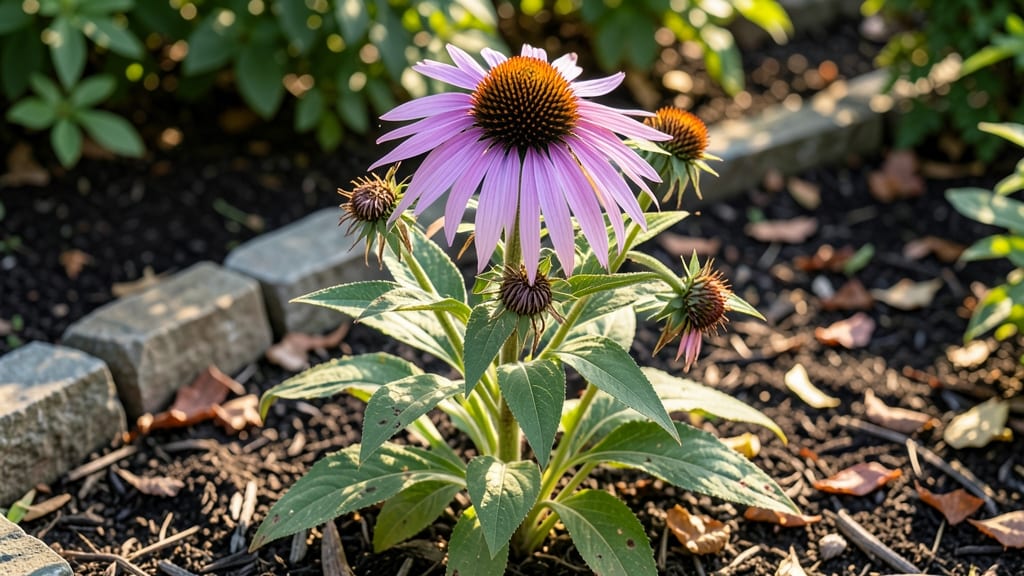
Cone flowers do not bloom year-round in Zone Eight A; they typically produce vibrant blooms from mid-summer through early fall, with heat and drought stress often triggering dormancy in extreme summer conditions. Proper watering and mulching can extend their season slightly.
Cone flowers in Zone Eight A follow a natural seasonal rhythm, with blooming peaks usually occurring when daytime temperatures drop below 90°F and nighttime temps stay above 55°F. 🌸 During scorching summer months, these hardy perennials often go dormant to conserve energy, especially if they're not receiving consistent moisture.
I've noticed that varieties like 'Magnus' and 'White Swan' handle heat better than others, but even they need some TLC to keep flowering—think of it as their way of taking a strategic break from the summer heat.
What really makes a difference is how you care for them. A thick layer of mulch (2-3 inches) keeps roots cool, while deep watering twice weekly during peak heat prevents stress.
Deadheading spent blooms redirects energy to new growth, and providing afternoon shade can buy you an extra month of color. The key is working with their natural patterns rather than fighting them.
💡 In This Article
- Why Cone Flowers Have Seasonal Blooming in Hot Climates
- Tips to Prolong Cone Flower Blooms in Zone Eight Heat
Why cone flowers have seasonal blooming in hot climates
Cone flowers, or Echinacea, are programmed by nature to follow a seasonal bloom cycle that aligns with their evolutionary survival needs. In Zone Eight A, where summer temperatures often exceed 95°F for weeks, these plants trigger dormancy as a protective mechanism.
The primary driver is heat stress, which disrupts the plant's photosynthesis efficiency and causes cellular damage. When soil temperatures rise above 85°F, root activity slows dramatically, limiting nutrient uptake and energy production for flowering.
The photoperiod—daylight duration—also plays a crucial role. Cone flowers are short-day plants, meaning they respond to decreasing daylight hours (typically after 14 hours of sunlight) as a signal to bloom. This explains why you'll see peak flowering in late summer when days begin shortening.
However, in Zone Eight A, the intense heat often arrives before this natural cue, forcing the plant into an early dormancy state. 🌡️ What's fascinating is how some varieties, like 'Hot Papaya', have adapted slightly better to heat, but even they can't sustain continuous blooming without intervention.
Drought stress compounds the problem. Cone flowers have deep taproots that can reach 3-4 feet underground, but during prolonged dry spells, the soil moisture at these depths drops below 20% volumetric water content.
This dehydration triggers a hormonal response that halts flower production and redirects resources to root and stem growth. The plant essentially goes into survival mode, waiting for more favorable conditions—a strategy that's worked for them for millennia in their native prairie habitats.
There's also a fascinating biological trade-off at play. When cone flowers bloom continuously, they allocate significant energy to seed production, which weakens the plant over time. The seasonal pattern allows them to conserve energy for perennial growth.
This is why you might see a second, smaller bloom cycle in fall—it's nature's way of ensuring the plant has enough reserves to survive winter. The trade-off between immediate reproduction and long-term survival is hardwired into their genetics.
One often-overlooked factor is nighttime temperature recovery. Cone flowers need 10-12 hours of temperatures below 75°F to properly metabolize the day's heat stress. In Zone Eight A's summer, nighttime temps often stay above 80°F, preventing this crucial recovery period.
This creates a double stress scenario where the plant can't effectively "recharge" between heatwaves, accelerating dormancy. The result? A plant that looks healthy but has essentially "shut down" its flowering mechanisms until conditions improve.
Understanding these triggers helps explain why even well-watered cone flowers might suddenly stop blooming mid-summer. It's not neglect—it's a sophisticated survival strategy. The good news is that with the right care, you can influence these natural patterns to extend the bloom season.
The key lies in mimicking the conditions that would occur in their native prairie environment, where moisture and temperature fluctuations are more moderate. 🌿