
Blooming
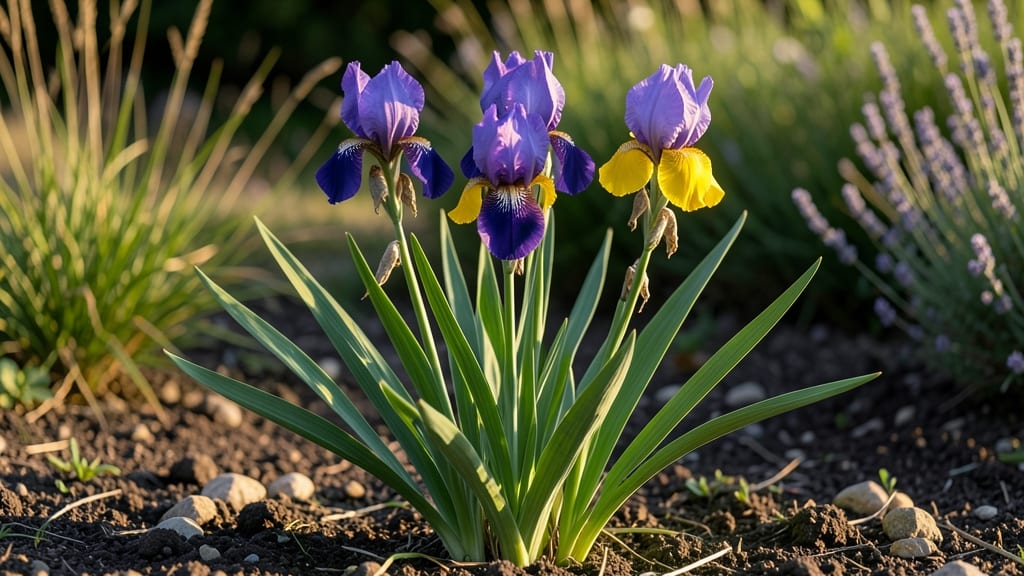
In Zone 7, iris blooms typically appear between late April and early June, with bearded iris varieties peaking in May and Siberian or Louisiana types potentially flowering earlier or later. Your garden's specific conditions—like sunlight exposure and soil drainage—can shift these timelines by several weeks.
Zone 7's mild winters and warm springs create ideal conditions for iris blooms, though the exact timing varies dramatically between varieties. 🌸 Bearded irises, the most popular type, usually burst into color in May, while Siberian irises often bloom slightly earlier in April, capitalizing on cooler temperatures.
Louisiana irises, which thrive in moist conditions, may extend the bloom season into July. The key factor here is chilling hours—most iris varieties need 4-6 weeks of temperatures below 50°F to trigger flowering, which explains why early planting in fall can sometimes advance bloom times by 2-3 weeks.
What many gardeners overlook is how planting depth affects bloom timing. Iris rhizomes planted too deep may delay flowering by a season, while those planted too shallow risk drying out. Aim for 2-3 inches of soil coverage, with the top of the rhizome exposed to sunlight.
For consistent blooms, divide mature clumps every 3-4 years—overcrowding stresses plants and can push back bloom schedules by several weeks.
💡 In This Article
- Iris Bloom Timing by Variety in Zone 7
- Optimizing Iris Bloom Periods with Zone 7 Care
Iris bloom timing by variety in Zone 7
Zone 7's climate creates a perfect window for iris blooms, but the exact timing varies dramatically between varieties due to their unique biological needs. Bearded irises, the most common type, typically bloom in mid-to-late May when daytime temperatures consistently reach 65-75°F and nights remain above 50°F.
This variety requires 12-15 hours of sunlight daily, which explains why they often peak during the warmest part of spring when days lengthen. Siberian irises, however, prefer cooler conditions and often bloom earlier—sometimes as early as late April—because they thrive in temperatures between 55-65°F.
The bloom timing difference comes down to chilling requirements. Most iris varieties need 4-6 weeks of temperatures below 50°F to trigger flowering, but Siberian irises actually prefer longer chilling periods (8-10 weeks), which explains their earlier bloom.
Louisiana irises, which love moisture, extend the bloom season into early July because they respond to consistent soil moisture rather than temperature shifts. 🌿 What's fascinating is how these varieties can overlap in bloom times if planted together—creating a stunning 6-8 week iris show from late April through June.
Here's what's actually happening biologically: Iris blooms are triggered by a combination of temperature shifts and daylight length. When nights cool below 50°F after a warm spell, the plant's meristem cells (growth points) begin producing flower buds.
This process is called vernalization, similar to how winter wheat needs cold exposure to flower. In Zone 7, this typically happens between March and early April, with visible buds appearing 6-8 weeks later.
The exact timing depends on how quickly the plant transitions from vegetative growth to reproductive growth—a process influenced by the specific variety's genetic makeup.
If you're planning your garden layout, consider these bloom windows for maximum impact:
- Early bloomers (April-May): Siberian irises, some dwarf bearded varieties
- Peak season (May-June): Standard bearded irises (most popular types)
- Late bloomers (June-July): Louisiana irises, reblooming bearded varieties
Pro tip: Plant early bloomers near late bloomers to create continuous color. For example, pairing Siberian irises (April) with Louisiana irises (July) gives you a 3-month iris display.
The key is understanding each variety's temperature preferences—some need the cool snaps of early spring, while others thrive in the warmth of late spring. 🌸