
Blooming
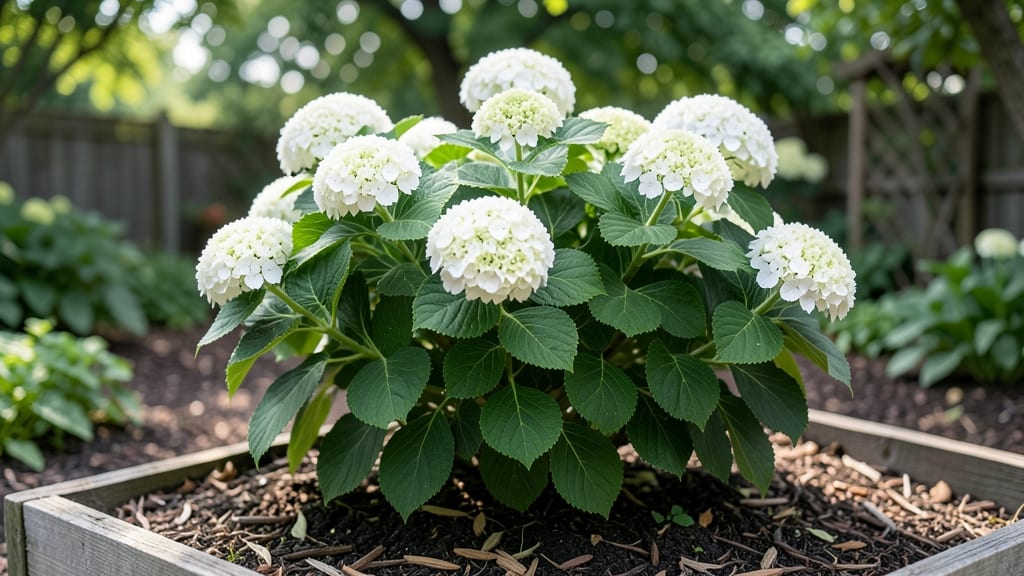
The white wedding hydrangea bloom time depends on your USDA zone, but most gardens see those dreamy snow-white blooms arrive between June and August 🌸 — with a few varieties stretching into early fall.
Dreaming of a garden bursting with pristine white hydrangeas for your wedding? Timing is everything — knowing exactly when your white wedding hydrangeas will bloom ensures you’ll have those snowy, romantic flowers when you need them most.
In Zone 6a, where many gardeners call home, blooms typically kick off in early July, while warmer zones like 7-9 may see them as early as June.
Cooler zones (4-5) often wait until late July or even August, so don’t be surprised if your neighbors’ hydrangeas bloom weeks before yours.
Below, I’ll break down the exact months by zone, share how to push blooms earlier (or later), and reveal the one pruning mistake that kills next year’s flowers — plus the best companion plants to keep your wedding garden looking flawless all season.
When do white wedding hydrangeas bloom: exact months by USDA hardiness Zones
Planning your wedding around white wedding hydrangeas? These stunning blooms thrive in Zones 3-9, but their exact bloom time depends heavily on your USDA zone and regional climate.
Unlike their blue or pink cousins, white varieties like ‘Annabelle’ and ‘Limelight’ white follow predictable seasonal patterns—if you know where to look. Let’s break down the monthly bloom windows so you can time your wedding perfectly.
Most white wedding hydrangeas bloom on new wood (current year’s growth), making them more flexible than old-wood bloomers. This means you can prune them in late winter or early spring to encourage larger, showier flowers.
However, late frosts in Zones 3-5 can delay blooms by 2-4 weeks, while warmer Zones 8-9 often see earlier, longer-lasting flowers.
Here’s the critical comparison of bloom timing across zones—because a June wedding in Zone 5 might mean waiting until July for peak blooms, while Zone 9 could have flowers ready by May.
| USDA Zone | Bloom Window | Peak Bloom Month | Frost Risk | Notes |
|---|---|---|---|---|
| 3-4 | Late June - Early August | July | High (May-June) | Coldest zones; blooms delayed by frost. |
| 5-6 | Mid-June - Late July | June-July | Moderate (April-May) | Ideal for late summer weddings. |
| 7-8 | May - June | May-June | Low (November) | Early bloomers; perfect for spring weddings. |
| 9 | April - May | April-May | Minimal (December) | Longest bloom season; may rebloom in fall. |
In Zones 3-4, expect your white wedding hydrangeas to wait until July for peak blooms, thanks to late frosts. If you’re planning a June wedding in these areas, consider starting plants in containers—they can be moved indoors if frost threatens.
Meanwhile, gardeners in Zones 7-9 often enjoy blooms as early as April, with some varieties reblooming in fall.
Regional variations matter too. For example, Pacific Northwest gardens in Zone 7 may see blooms in May, while Southern California (also Zone 9) could have flowers ready by March. Always check your last frost date—hydrangeas need consistent warmth to set buds.
In my Zone 6 garden, I’ve found that planting near a south-facing wall extends the bloom season by 10-14 days.
White wedding hydrangeas are frost-sensitive when buds form in late winter. A sudden 20°F drop can damage buds, pushing back blooms by weeks. To protect your flowers, mulch heavily in fall and cover plants with burlap if frost is forecasted during bud set (typically February-March).
For wedding planners, timing is everything. If you’re aiming for a June wedding in Zone 5, plant ‘Endless Summer’ varieties—they’re bred to rebloom on both old and new wood, giving you a second chance at flowers if the first bloom is delayed.
Pair your hydrangeas with early blooming perennials like peony or columbine to extend your garden’s seasonal interest.
Pro tip: Track your hydrangea’s growth in a garden journal—note when buds form (usually late spring in Zones 5-9) and how long they take to open.
Over time, you’ll predict bloom dates with near-perfect accuracy for your specific microclimate. And remember, white hydrangeas love moisture—consistent watering keeps blooms large and lush.
Need to adjust your wedding timeline? Consider ‘Vanille Fraise’ for its late summer blooms or ‘White Dome’ for compact, long-lasting flowers. With the right variety and care, you’ll have those dreamy white hydrangeas ready when you need them most. 🌸
How to extend white wedding hydrangea bloom time: pruning and care tips
Your dream wedding garden deserves those show-stopping white hydrangeas blooming right when you need them. The secret to extending their bloom time lies in smart pruning, soil care, and seasonal adjustments.
Unlike blue hydrangeas, white varieties like ‘Annabelle’ or ‘Vanille Fraise’ thrive with slightly different conditions—starting with a neutral soil pH (around 6.0-6.2) to maintain their pristine color.
Timing is critical: prune at the wrong time, and you risk sacrificing next year’s blooms. For white wedding hydrangeas, focus on late winter or early spring pruning (just before new growth appears) to encourage larger, more abundant flowers.
Deadheading spent blooms also tricks the plant into producing new flower buds for an extended display.
Step-by-Step Guide to Maximize Bloom Time
- Step1 Prune in late winter (February-March) when buds form but before leaves emerge. Cut back 1/3 of last year’s growth to encourage larger blooms.
- Step2 Deadhead regularly by snipping off faded flower heads after your wedding month. This redirects energy to new buds for a second flush of blooms.
- Step3 Adjust soil pH to 6.0-6.2 for white flowers (higher pH = blue). Test soil annually and amend with lime if needed.
- Step4 Fertilize lightly in early spring and mid-summer with a balanced 10-10-10 formula. Avoid heavy feeding in fall—it delays dormancy.
- Step5 Mulch heavily (3-4 inches) in late fall to insulate roots. This protects against frost damage and extends next year’s bloom season.
Don’t overlook watering consistency—white hydrangeas need 1-1.5 inches of water weekly, especially during bud formation (spring) and peak bloom (summer). Water deeply in the morning to prevent fungal issues and ensure roots absorb moisture efficiently.
For a second bloom cycle, give your hydrangeas a light summer trim (June-July) after the first flush fades. Remove only spent blooms, not stems—this encourages reblooming in late summer or early fall, perfect for autumn weddings.
Pro tip: If your wedding is in late summer or fall, choose ‘Endless Summer’ varieties—they bloom on both old and new wood, giving you flexibility. Pair them with complementary perennials like lavender or roses to extend your garden’s seasonal interest.
With these adjustments, your white wedding hydrangeas could bloom 2-3 months longer than average—turning your garden into a year-round romantic display. 🌸