Blooming
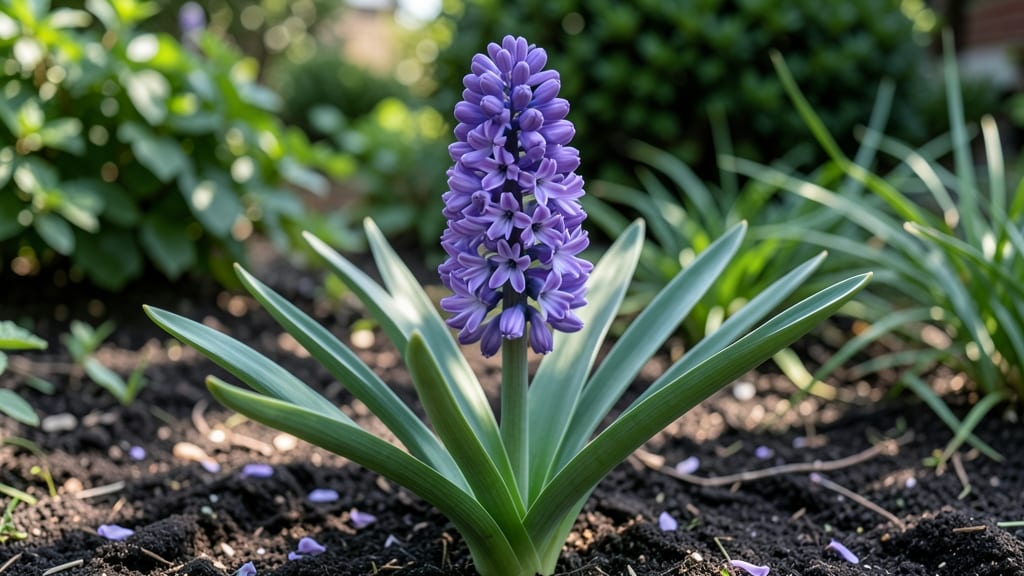
Hyacinths bloom between March and May in most regions, but the exact timing depends on your hardiness zone and the variety you’ve planted.
Picture this: the first crisp mornings of spring, and your garden explodes with fragrant purple, pink, or white blooms that fill the air with a sweet, intoxicating scent.
That’s the magic of a well-timed hyacinth — but getting there requires knowing when to plant and how your local climate plays a role.
For gardeners in Zone 6a (like many in the Midwest), most varieties bloom in early April, while warmer zones like 7–9 might see flowers as late as May.
Meanwhile, forcing bulbs indoors can shift that timeline dramatically, letting you enjoy hyacinths as early as February if you play your cards right.
Below, I’ll break down bloom windows by variety, how to adjust for your zone, and the simple tricks to ensure your hyacinths never miss their cue — because nothing beats that first whiff of spring in your garden.
Hyacinth bloom time by variety: when to expect flowers
Timing your hyacinth blooms starts with knowing which variety you’ve planted. Different cultivars burst into color at different times, creating a staggered spring display that can last from late winter through early summer.
Whether you’re growing early bloomers like 'Annette' or late-season stars like 'Woodstock,' understanding their schedules helps you plan your garden’s fragrant focal points.
The bloom window for most hyacinths falls between February and May, but exact timing shifts based on your USDA hardiness zone and whether you’re forcing bulbs indoors.
In Zone 5, for example, blooms often appear in March or April, while gardeners in Zone 8 may see flowers as early as February. Let’s break down the top varieties and their typical bloom periods.
If you’re forcing hyacinths indoors for early blooms, varieties like 'Annette' and 'Jan Bos' are excellent choices. These early bloomers can push flowers in December or January with proper pre-chilling (10–12 weeks at 35–45°F).
For garden beds, planting a mix of early-, mid-, and late-season varieties ensures a continuous display from February through May.
For warmer climates (Zones 8–10), hyacinths often bloom earlier due to milder winters. In Zone 9, for example, 'Delft Blue' may start flowering in January, while 'Woodstock' could extend blooms into May.
In contrast, gardeners in Zone 5 might see their first blooms in late March, with later varieties like 'Pink Pearl' peaking in May.
To extend your hyacinth season, consider planting bulbs in containers for flexibility. You can move pots indoors before frost or place them in sheltered microclimates to delay or advance blooms. For instance, a south-facing patio can warm soil faster, encouraging earlier blooms in cooler zones.
One pro tip for gardeners: note your local last frost date and adjust planting times accordingly. If you’re in Zone 6, aim to plant bulbs in October for a March–April bloom.
In Zone 7, you might push planting to November for a late April–May display. Always plant bulbs 6–8 inches deep and 6 inches apart for optimal growth.
Hyacinths thrive in full sun to partial shade, but their bloom timing can shift slightly based on light exposure. A shadier spot might delay blooms by 1–2 weeks, while a sunny location can advance them. If your garden is partially shaded, choose mid-to-late season varieties like
How hardiness zones affect hyacinth bloom timing
Hyacinths are finicky about timing—those stunning fragrant blooms only appear after a proper winter chill. Your hardiness zone determines whether your hyacinths bloom in early spring or miss the window entirely.
In colder zones like 3–5, bulbs naturally chill outdoors, while warmer zones 7–9 often need extra tricks to trigger blooms. Let’s break down how to sync your hyacinths’ schedule with your climate.
Hyacinths require 12–16 weeks of chilling below 40°F (4°C) to bloom. In Zones 3–5, this happens automatically during winter, but in Zones 6–9, you’ll need to pre-chill bulbs or plant them earlier. Even a 10°F difference can shift bloom time by weeks!
For example, 'Woodstock' hyacinths in Zone 4 may bloom in late April, while the same variety in Zone 8 could wait until May or June without intervention.
- 1 Zones 3–5: Plant bulbs in October–November for natural chilling. Expect blooms April–May with minimal effort.
- 2 Zones 6–7: Plant in September–October or pre-chill bulbs for 8–10 weeks. Blooms arrive March–April.
- 3 Zones 8–9: Plant in August–September or force bulbs indoors for 12 weeks. Blooms may appear February–March or be delayed until late spring.
- 4 Planting depth: 6–8 inches deep in colder zones; 4–6 inches in warmer zones to avoid overheating.
- 5 Advance blooms: Pre-chill bulbs in a fridge (35–40°F) for 8–12 weeks before planting in warmer zones.
If you’re in a warmer zone (7–9), try planting bulbs in containers for easier pre-chilling. Place them in a cool garage or unheated basement for 10–12 weeks before moving outdoors in late winter.
This mimics the natural chilling period and can push blooms forward by 4–6 weeks. For example, 'Delft Blue' hyacinths in Zone 9 might bloom in February with this method instead of April.
Don’t overlook planting depth—it’s critical for bloom timing. In colder zones (3–5), bury bulbs 6–8 inches deep to protect them from freezing. In warmer zones (6–9), plant them 4–6 inches deep to prevent soil overheating, which can delay or prevent blooming.
A simple trick? Add a 2-inch layer of mulch after planting to regulate soil temperature and moisture.
Pro tip: If your hyacinths skip blooming one year, don’t panic! They often need 2–3 years to mature fully. Focus on consistent care—like well-draining soil and balanced fertilizer in early spring—and they’ll reward you with vibrant blooms next season.
Patience pays off, especially in warmer climates where bulbs struggle to chill naturally.
For gardeners in transition zones (6–7), consider partial shade to extend bloom time. Hyacinths in full sun may bolt faster, while those in morning sun with afternoon shade often bloom longer. Test a few spots in your garden to find the sweet spot for your local climate.
With the right adjustments, you’ll enjoy those fragrant spikes right when you want them—no matter where you live! 🌷