
Blooming
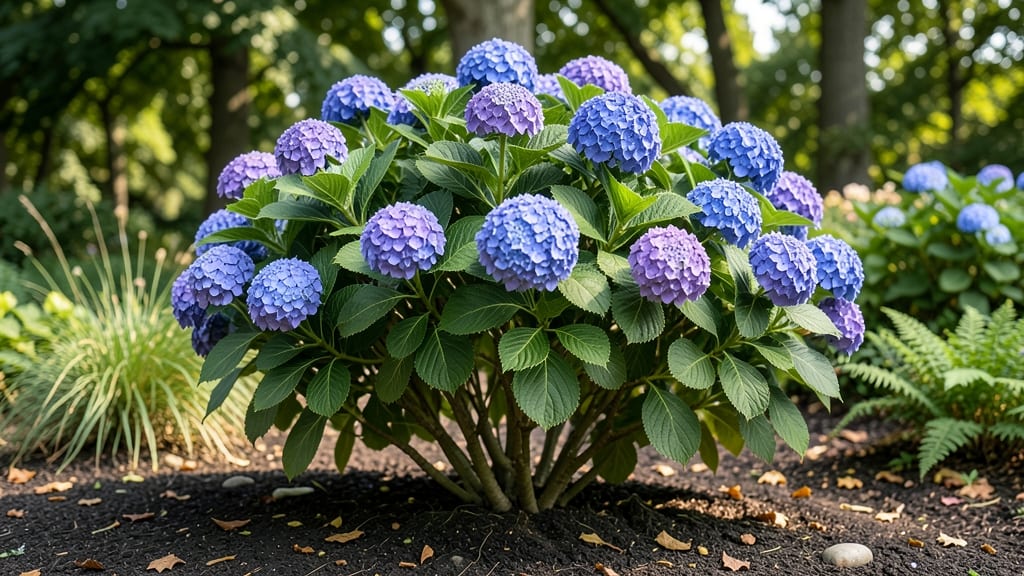
Hydrangeas in New Jersey bloom from late June through mid-September, transforming your garden into a colorful summer spectacle 🌸.
If you're eager to see your hydrangeas burst into vibrant blooms, timing is everything—especially in New Jersey’s unique climate. Knowing the exact bloom window helps you plan pruning, fertilizing, and even plant selection for a show-stopping garden from late June through September.
This three-month window varies slightly by variety—Bigleaf hydrangeas often bloom earliest, while Oakleaf types may linger into early fall. In USDA Zones 6a-7b, microclimates can shift bloom times by weeks, so understanding your specific corner of NJ makes all the difference.
Below, I’ll break down the peak bloom periods for each type, how to extend those stunning flowers through the heat, and the pruning secrets that keep your hydrangeas blooming year after year.
Hydrangea bloom timeline in NJ by variety and climate zones
New Jersey’s USDA Zones 6a-7b create a perfect stage for hydrangeas, but bloom timing varies dramatically by variety and microclimate. Coastal areas like Cape May (Zone 7b) often see blooms 2-3 weeks earlier than inland spots like Newark (Zone 6b), thanks to milder winters and longer growing seasons.
Understanding these differences helps you choose the right varieties for your garden’s conditions.
Most hydrangeas in NJ follow a late spring to fall bloom cycle, with peak displays from July through September. However, some varieties like Panicle hydrangeas extend the show into early October, while Bigleaf hydrangeas may start fading by early September.
Let’s break down the exact bloom windows for each popular type in your region.
If you’re in Zone 6b (like Morris or Sussex counties), expect your Bigleaf hydrangeas to kick off the season around late June, while Panicle varieties like 'Little Lime' will keep the party going until early October.
The cooler nights in inland NJ can delay blooming by up to 10 days compared to coastal areas, so don’t be surprised if your plants take a little longer to show off their colors.
For Zone 7a gardeners (think Mercer or Middlesex counties), the bloom window expands significantly. You’ll see early bloomers like 'Nikko Blue' opening as early as late May, while Oakleaf hydrangeas will extend your season into October.
This zone’s longer growing season means you can enjoy hydrangeas for nearly 4 months straight if you mix varieties strategically.
Coastal Zone 7b (Cape May, Atlantic City) is a hydrangea lover’s paradise. Here, 'Endless Summer' Bigleaf varieties often bloom as early as mid-May, and Panicle hydrangeas can keep going until late October.
The milder winters and warmer springs give these plants a head start, so you’ll see vibrant blooms 3-4 weeks earlier than inland gardens.
Microclimates play a huge role in NJ. A garden in Princeton (Zone 7a) might see 10-14 days earlier blooms than one in Newark (Zone 6b), even if they’re just 20 miles apart.
South-facing slopes get warmer and bloom earlier, while north-facing spots may delay blooming by 1-2 weeks. Pay attention to your garden’s specific conditions to fine-tune your expectations.
Pro tip: Pruning timing affects bloom windows. For Bigleaf hydrangeas (which bloom on new wood), prune in late winter or early spring to encourage early blooms. Panicle hydrangeas (which bloom on old and new wood) can be pruned in late winter without risking missed blooms.
Always prune after the first hard frost to avoid damaging dormant buds.
To maximize your hydrangea season in NJ, plant a mix of early, mid, and late-season varieties. For example, pair 'Limelight' Panicle (early July) with 'Pincushion' Oakleaf (mid-July) and 'Annabelle' Smooth (late June).
This creates a continuous bloom display from June through October, giving you 4 months of color without gaps.
Remember, soil pH also impacts bloom timing and color. Acidic soil (pH 5.0-5.5) produces blue flowers, while alkaline soil (pH 6.0-7.0) yields pink blooms. Test your soil in early spring and amend it if needed to ensure vibrant, on-schedule blooms.
A simple soil test kit from your local garden center will give you all the answers.
🌸 With
How to extend hydrangea blooms in NJ’s humid summer heat
New Jersey’s humid summers can turn your hydrangeas from showstoppers to sad, wilted shadows—but don’t let the heat steal your blooms! With the right strategies, you can keep those vibrant clusters thriving from late June through September.
The key? Balancing watering, shade, and nutrient timing to match NJ’s 90°F+ humidity spikes.
Start by choosing heat-resistant varieties like 'Limelight' or 'Vanille Fraise', which handle NJ’s USDA Zone 6-7 summers better than traditional types. These varieties not only bloom longer but also re-bloom when given proper care.
Pair them with smart watering and you’ll see those blue-to-pink color shifts lasting weeks longer than average.
- 💧 Water deeply 2x/week—aim for 1-2 gallons per plant at soil level to avoid fungal issues.
- ☀️ Add afternoon shade with a lattice screen or mulch layer to reduce heat stress.
- 🌿 Fertilize in May and July with 10-10-10—never in fall or winter.
- ✂️ Prune dead blooms in late August to encourage next year’s buds.
- 🌱 Mulch with 3 inches of shredded bark to retain moisture and regulate soil temps.
Your watering schedule is the #1 factor in NJ’s heat. Hydrangeas need consistent moisture, but soggy soil leads to bud blast (when buds drop before opening). Water early morning to let foliage dry before humidity peaks.
Use a soaker hose at the base—never overhead—to prevent fungal diseases like powdery mildew, which thrives in NJ’s damp summers.
Adjusting shade levels can add 2-3 extra weeks of blooms. If your hydrangeas are in full sun, move them to morning sun + afternoon shade by planting near a tall evergreen or installing a 30% shade cloth.
For container hydrangeas, place them on a patio with afternoon shade—they dry out faster and overheat quicker than in-ground plants.
Timing your fertilizer is critical. Skip fall/winter feeding—hydrangeas need to harden off for winter. Instead, feed lightly in May (1 tbsp of 10-10-10) to kickstart growth, then again in July (2 tbsp) as blooms appear.
Avoid high-nitrogen fertilizers—they promote leafy growth over flowers. For blue blooms, add aluminum sulfate in early June; for pink blooms, use lime.
For longest-lasting blooms, choose panicle hydrangeas like 'Little Lime' or 'Limelight'—they bloom on new wood and handle heat better than bigleaf types. Deadhead spent blooms every 2 weeks to redirect energy to new flowers.
And if your hydrangeas struggle, check for aphids or spider mites—common NJ pests that suck sap and cause bud drop.