
Blooming
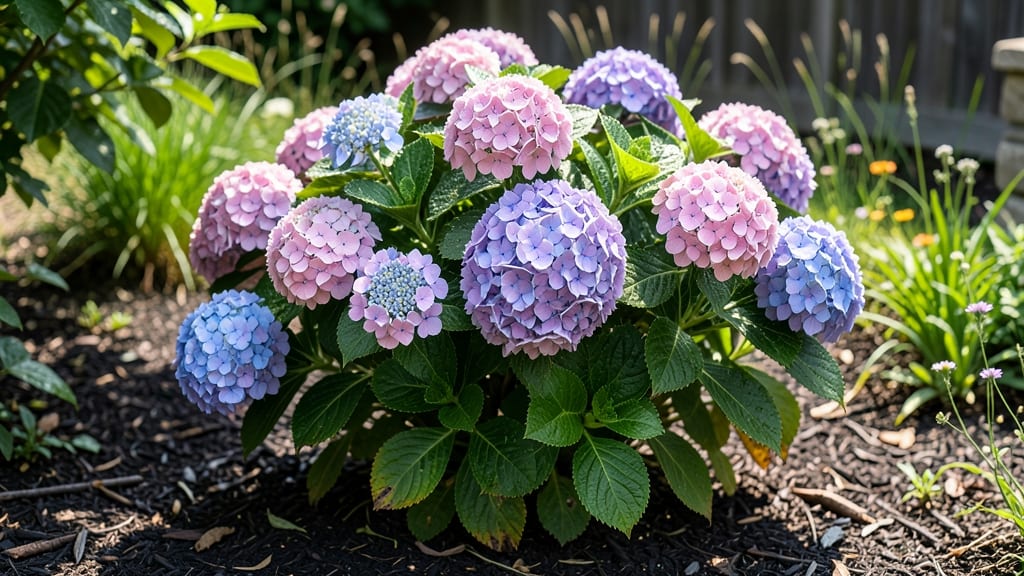
Hydrangeas bloom in Virginia between late spring and early fall, with timing that shifts from May to September depending on the variety and your exact location in Zone 7A/7B.
Virginia gardeners know the thrill of hydrangeas bursting into color—but timing is everything. If you’ve ever waited impatiently for those showstopping blooms to appear, you’re not alone.
Some varieties like mophead hydrangeas open as early as May, while others, such as panicle types, may not peak until July or August.
The key to predicting bloom time lies in Virginia’s unique climate. Spring warmth triggers bud formation, but summer humidity and fall chill hours can stretch—or shorten—the flowering window. In cooler Zone 7A areas, blooms may arrive a week or two later than in warmer Zone 7B regions.
Below, I’ll break down the exact months for popular hydrangeas in Virginia, how to adjust care for your local conditions, and pro tips to keep those blooms coming longer than ever.
Hydrangea bloom seasons in Virginia: exact months by variety
Virginia’s Zone 7A/7B climate creates the perfect stage for hydrangeas to shine, but their bloom timing varies wildly depending on the variety. Whether you’re dreaming of bigleaf hydrangeas in June or panicle hydrangeas lighting up October, knowing these exact windows lets you plan your garden’s color palette with precision.
Temperature plays a starring role—most varieties need consistent warmth above 60°F to trigger blooms, while others rely on chill hours during winter dormancy. In Virginia, this means blooms can stretch from late May to early November, depending on the type.
Bigleaf hydrangeas (like 'Endless Summer') are the early stars, often blooming in June and July, while panicle hydrangeas (such as 'Limelight') hold the spotlight into September and October. Oakleaf varieties like 'Pee Wee' surprise with late-summer to fall blooms, and smooth hydrangeas (Hydrangea arborescens) offer a June to August show.
If you’re planning a sequential bloom garden, start with smooth hydrangeas in June, then layer in bigleaf varieties for July-August color, and finish with panicle hydrangeas to carry you into fall. This strategy ensures your garden never loses its hydrangea highlight.
For late-season color, focus on panicle hydrangeas like 'Little Lime' or 'Firelight,' which thrive in Virginia’s warm fall temperatures and often bloom until the first frost. These varieties also produce drought-tolerant blooms, making them ideal for Virginia’s occasional dry spells in September.
Temperature fluctuations can delay blooms—if spring stays cool (like 2020’s late frost), expect blooms to shift 2-3 weeks later. Monitor your local USDA frost data and adjust expectations accordingly.
For example, if your area had a late April frost, bigleaf hydrangeas might not peak until mid-July instead of late June.
Pro tip: Prune in late winter (February-March) to encourage stronger spring growth, which directly impacts bloom timing. For bigleaf hydrangeas, remove dead wood in March, while panicle types benefit from hard pruning in late winter to promote longer summer blooms.
Virginia’s humidity levels also play a role—higher moisture can extend bloom duration, especially for oakleaf hydrangeas, which often rebloom lightly in fall if conditions stay mild. Keep an eye on rainfall patterns; consistent moisture helps prevent bud drop before blooming.
To maximize your hydrangea season, choose 3-4 varieties with staggered bloom times. For instance, pair 'Endless Summer' (June-July) with 'Limelight' (August-October) and 'Pee Wee' (July-September) for a 6-month color show. This approach ensures your garden stays vibrant from late spring to early fall.
How Virginia’s climate affects hydrangea blooming: heat, rain, and chill hours
Virginia’s unique climate—with its humid summers, moderate winters, and variable rainfall—plays a starring role in when and how hydrangeas bloom. Unlike cooler northern climates, Virginia’s Zone 7A/7B provides just the right mix of spring warmth and fall chill to trigger those iconic blooms.
But get the timing wrong, and you might miss the show entirely—or end up with sparse, underwhelming flowers.
The secret lies in understanding how heat accumulation, moisture levels, and chill hours interact. Virginia’s summers often bring 90°F+ temperatures, which can stress hydrangeas if they’re not properly hydrated.
Meanwhile, the fall chill (those crisp nights in October-November) is crucial for setting next year’s buds. Skip this step, and your hydrangeas might bloom late—or not at all.
Spring Warmth Triggers Bud Break
Virginia’s average last frost date (March 15) signals hydrangeas to wake up. Bigleaf hydrangeas (like 'Endless Summer') need 50-60°F soil temps to break dormancy, while panicle types (like 'Limelight') tolerate cooler springs.
Summer Humidity Extends Bloom Season
Virginia’s 70-80% humidity keeps hydrangea blooms lush longer. Oakleaf hydrangeas thrive here, with red-purple foliage lasting into fall. But watch for powdery mildew—space plants 3-5 feet apart for airflow.
Fall Chill Hours Set Next Year’s Buds
Virginia’s 300-500 chill hours (below 45°F) between October and December are critical. Bigleaf hydrangeas need 400+ chill hours for vibrant blooms, while panicle types adapt to fewer.
Rainfall Patterns Can Delay Blooms
Virginia’s spring rains (April-May) can delay bud opening if soil stays soggy. Amend clay soil with compost to improve drainage. Drought stress in summer can also cause bud drop—mulch with 3 inches of wood chips to retain moisture.
If you’ve ever wondered why your hydrangeas bloom late or produce fewer flowers, the answer likely lies in Virginia’s climate quirks.
For example, Bigleaf hydrangeas often bloom in June-July here, but if your plant didn’t get enough fall chill hours, blooms may appear in August or September—or not at all. Similarly, panicle hydrangeas (like 'Little Lime') might bloom earlier (May-June) because they’re less dependent on chill hours.
To give your hydrangeas the best shot at vibrant, timely blooms, focus on soil moisture during summer and avoid heavy pruning in fall.
If you’re in northern Virginia (Zone 7A), where winters are slightly cooler, your hydrangeas may bloom 1-2 weeks earlier than those in southern Virginia (Zone 7B). The key is adapting care to your microclimate—whether that means adding mulch in dry spells or protecting plants from late frosts.
Pro tip: Use shade cloth in peak summer to protect blooms from scorching sunlight, especially for Bigleaf varieties.
With the right adjustments, your hydrangeas will reward you with months of color, from late spring through fall—just like Virginia’s famous blueberry bushes but with far more drama. 🌸