
Blooming
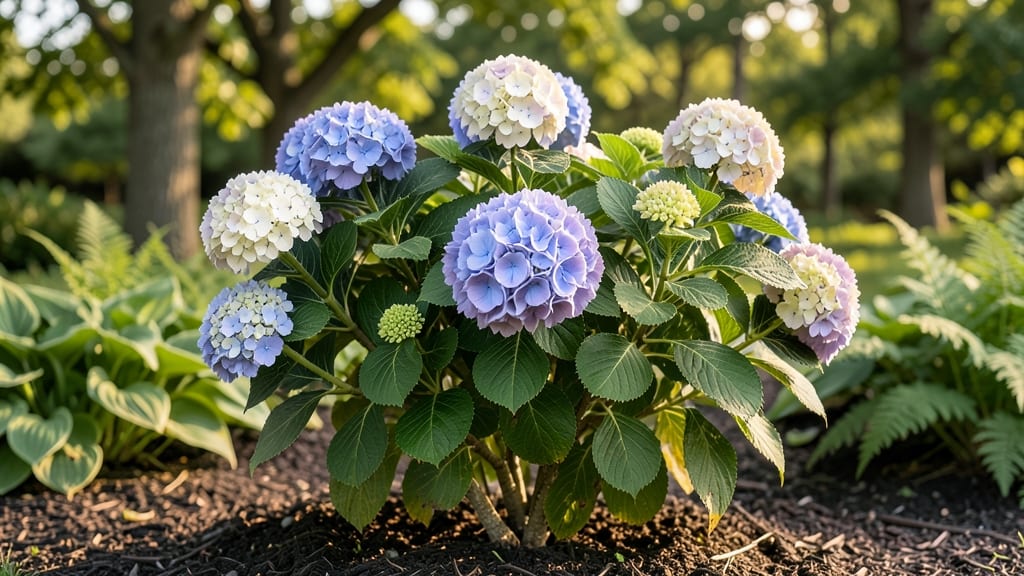
Hydrangeas bloom in Pennsylvania between mid-June and early September, with timing depending on your zone, variety, and last frost date—so knowing the right window keeps your garden looking its best.
If you're dreaming of vibrant hydrangeas blooming in your Pennsylvania garden, timing is everything—especially in zones 6 and 7 where seasons shift unpredictably. A late spring frost can delay blooms, while early summer heat might push them earlier, leaving you wondering why your 🌸 isn’t putting on its usual show.
Bigleaf hydrangeas (H. macrophylla) often bloom on old wood, meaning last year’s growth sets the stage for this year’s flowers, while panicle types (H. paniculata) bloom on new wood, giving you more flexibility with pruning.
Oakleaf hydrangeas (H. quercifolia) are the late bloomers, often gracing gardens well into September.
Below, I’ll break down the exact bloom windows by variety, how to adjust for your microclimate, and the simple tricks to coax earlier—or longer—blooms so your garden stays stunning all summer.
Hydrangea bloom timelines in Pennsylvania zones 6 & 7: month-by-month breakdown
Pennsylvania's zones 6 and 7 create a unique gardening puzzle for hydrangea lovers. While Hydrangea macrophylla (like Endless Summer) typically blooms on old wood, Hydrangea paniculata (such as Limelight) thrives on new wood, meaning their bloom cycles differ dramatically.
Understanding these patterns helps you plan for spring color or summer-fall displays—or both!
In zone 6, cooler springs often delay blooming by 2-3 weeks compared to zone 7, where warmer microclimates (like urban areas) can push blooms earlier. Even within the same zone, elevation changes and microclimates (e.g., near bodies of water) shift timing by 10-14 days.
Let’s break it down by month for your Pennsylvania garden.
| Month | Hydrangea macrophylla (Old Wood) | Hydrangea paniculata (New Wood) | Oakleaf Hydrangea | Zone 6 Adjustment |
|---|---|---|---|---|
| April | Bud formation begins | New growth starts | Bud swell visible | Blooms delayed 1-2 weeks |
| May | Peak bloom (late May) | Bud formation | Full bloom | Cooler temps extend bloom |
| June | Blooms fade | Early bloom (Limelight) | Late bloom | Zone 7 blooms earlier |
| July | New buds form for fall | Peak bloom | Secondary bloom | Heat stress may reduce blooms |
| August | Minimal blooms | Late bloom (panicle types) | Peak fall color | Zone 6 blooms later |
| September | New buds set for next year | Blooms persist into frost | Dramatic fall foliage | Frost cuts blooms early |
| October | Dormant | Frost-sensitive blooms | Leaves change color | Zone 7 extends blooms longer |
If you’re growing Hydrangea macrophylla, like the classic Bigleaf types, your spring blooms will appear in late May to June, with a second flush in late summer if you prune correctly.
These varieties rely on old wood blooms, so avoid pruning until after flowering—or you’ll sacrifice next year’s display. In zone 6, a late frost in May can damage early buds, so consider microclimate protection like row covers.
Hydrangea paniculata, such as Limelight or Little Lime, are the summer-fall stars of Pennsylvania gardens. Their blooms start in mid-July and often last until first frost in October. These varieties bloom on new wood, so you can prune them in late winter to shape and encourage bigger blooms. In zone 7, where summers are warmer, blooms may begin as early as late June, giving you an extra month of golden-green cascades.
Don’t overlook Oakleaf hydrangeas (Hydrangea quercifolia) for fall interest. These beauties bloom in late spring to early summer but steal the show in September and October with vibrant foliage.
In zone 6, their leaves turn crimson and orange earlier than in zone 7, making them a season-extending powerhouse. Plant them in partial shade to enhance their fall color and protect them from late-season heat stress.
To maximize blooms in Pennsylvania’s unpredictable climate, time your fertilizing and watering strategically. Apply a balanced fertilizer in early spring (March) to jumpstart growth, then again in mid-summer
How to extend Hydrangea blooms in PA: pruning, fertilizing & variety hacks
Pennsylvania’s unpredictable spring frost dates and hot summer spells can cut hydrangea blooms short—but with the right strategies, you can stretch those showstopping flowers from early summer well into fall. The key lies in understanding your hydrangea variety, timing pruning cuts, and tweaking soil conditions for peak performance.
For zone 6 gardeners, where winters linger and summers can be brutal, the difference between a 3-week bloom and a 5-month display often comes down to one critical move: pruning for new wood (like Hydrangea paniculata) versus protecting old wood bloomers (like H. macrophylla) from late frosts.
Let’s break down the hacks that work in PA’s climate.
🌸 5 Proven Ways to Extend Blooms in PA
- 1. Prune at the right time: Old wood types (like Endless Summer) bloom on last year’s growth—wait until after flowering (late summer). New wood types (like Limelight) bloom on current year’s growth—prune in late winter/early spring.
- 2. Adjust soil pH: For blue blooms, aim for pH 5.5-6.0 (add elemental sulfur). For pink blooms, raise pH to 6.0-7.0 (use lime). Test soil in early spring.
- 3. Fertilize strategically: Use a balanced 10-10-10 fertilizer in early May and mid-July. Avoid high-nitrogen feeds in fall—it encourages tender growth vulnerable to frost.
- 4. Mulch heavily: Apply 3-4 inches of mulch in late fall to insulate roots. Use straw or shredded leaves—never fresh wood chips, which can draw moisture away.
- 5. Deadhead selectively: For old wood types, never deadhead—it removes next year’s blooms. For new wood types, trim spent blooms in early fall to redirect energy to roots.
Don’t overlook the power of hydrangea variety selection. In PA’s climate, panicle hydrangeas (like Little Lime) often outperform others because they bloom on new wood and tolerate heat better. Meanwhile, oakleaf hydrangeas (like Snow Queen) thrive in partial shade and extend color into October.
For soil pH adjustments, Pennsylvania’s acidic native soils often favor blue blooms, but if your hydrangeas lean greenish, they’re likely nutrient-deficient. A slow-release granular fertilizer in early spring can jumpstart growth.
Pair this with regular watering—hydrangeas wilt dramatically in PA’s summer heat, so aim for 1 inch of water per week.
Finally, late-season care is non-negotiable. After the first fall frost, cut back dead or diseased stems to prevent fungal overwintering. For extra insurance, spray stems with neem oil in October to deter pests like aphids, which can weaken next year’s blooms.
With these PA-specific hacks, your hydrangeas could bloom from June through October—turning your garden into a season-long floral highlight. Start with one strategy this year, then layer in the rest as you refine your approach. Happy pruning! ✂️🌿