
Blooming
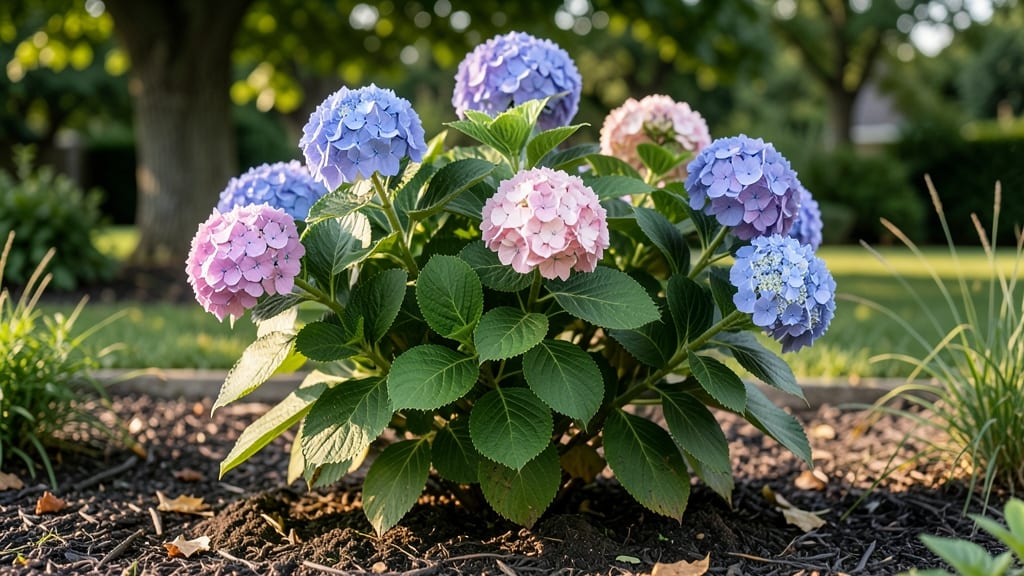
Hydrangeas in Massachusetts bloom between late May and July—but the exact timing depends on frost dates, variety, and whether you’re in the cooler 5b or milder 6b zones.
If you’ve ever waited patiently for those 🌸 clusters to appear, only to be disappointed by late frosts or slow starts, you’re not alone. Massachusetts’ unpredictable climate means bloom windows can shift by weeks, even from one town to the next.
Bigleaf hydrangeas, the classic blue or pink shrubs, typically open their flowers in mid-to-late June, while panicle types like ‘Limelight’ often bloom a bit earlier in June. Oakleaf hydrangeas, with their peeling bark and fall color, may linger into July.
Below, I’ll break down how to predict your hydrangea’s first flowers using local frost data, adjust planting for early or late springs, and prune for maximum blooms—so you can finally enjoy that dreamy summer display without the guesswork.
Massachusetts hydrangea bloom timeline by variety and frost dates
Predicting when your hydrangeas will bloom in Massachusetts depends on more than just the calendar—it’s all about frost dates and the specific variety you’ve chosen.
With USDA zones 5b-6b dominating the state, bloom times can shift by 2-4 weeks depending on whether you’re in coastal New England or inland areas like Worcester or Springfield.
Most hydrangeas in Massachusetts begin forming buds in late April to early May, but actual blooms appear 4-8 weeks later. Early springs (like 2021) can push blooms to June 1st, while late frosts (like 2013) may delay them until July 15th.
Understanding these variations helps you time pruning and fertilizer applications for maximum impact.
Here’s how four common hydrangea types align with Massachusetts’ frost patterns, including average bloom windows and tips to extend your flowering season:
| Variety | Bloom Time (MA) | Frost Sensitivity | Extending Blooms |
|---|---|---|---|
| Bigleaf (H. macrophylla) | Late June–August | Moderate (buds form early) | Prune after blooms; mulch heavily |
| Panicle (H. paniculata) | July–September | Low (hardy to -30°F) | Prune in late winter; deadhead spent blooms |
| Oakleaf (H. quercifolia) | June–August | High (buds vulnerable) | Plant in sheltered spots; avoid early pruning |
| Smooth (H. arborescens) | June–July | Moderate (buds form late) | Prune in early spring; fertilize in fall |
Bigleaf hydrangeas (like ‘Endless Summer’) are the most popular in Massachusetts, but their buds form in late spring, making them vulnerable to late frosts. If you notice buds swelling in May but temperatures drop, cover them with frost cloth to protect emerging blooms. These varieties typically peak in late June to July, but with proper care, they can rebloom in fall.
Panicle hydrangeas, such as ‘Limelight’ or ‘Little Lime’, are my top recommendation for Massachusetts gardens because they’re hardier and bloom later. Their July-September window aligns perfectly with the state’s warmer months, and they often produce second flushes of blooms if pruned correctly. For these varieties, prune in late winter or early spring to encourage robust growth.
If you’re growing Oakleaf hydrangeas (like ‘Snow Queen’), be extra cautious with early spring pruning. These beauties form buds on old wood, so any cuts made before late May could mean no blooms that year.
Their June-August bloom time also makes them ideal for cut flower arrangements, but they need protected spots to avoid frost damage.
For Smooth hydrangeas (like ‘Annabelle’), timing is critical because their buds form late. Plant them in full sun to partial shade and avoid pruning until after blooming. These varieties often bloom in June-July, but their large, showy flowers make them worth the wait.
To extend their season, deadhead spent blooms in early fall—this can trigger a second round of flowers before frost.
To maximize your hydrangea blooms in Massachusetts, track your local frost dates using NOAA’s Frost/Freeze Forecast tool. If you’re in Zone 5b (like Boston or Worcester), expect last frost dates between April 15th and May 1st.
In Zone 6b (like Cape Cod or Nantucket), you might see blooms 2 weeks earlier. Adjust your planting and pruning schedule accordingly for healthier, longer-lasting blooms.
One pro tip I swear by? Mulching in early spring with 3-4 inches of organic mulch (like shredded bark) helps regulate soil temperature and protects roots from late frosts.
This simple step can push bloom times 1-2 weeks earlier by ensuring consistent moisture and warmth. Pair this with a balanced fertilizer
How to adjust planting time for Massachusetts' unpredictable climate
Massachusetts' climate can throw off even the most experienced gardeners, with last frost dates swinging wildly between April 15 and May 15. For hydrangeas, this means your planting window could shift by weeks—especially when choosing between bare-root and container-grown plants.
Coastal areas like Cape Cod often experience milder springs, while inland regions near Worcester face harder freezes. The key? Using NOAA frost data and adjusting for your microclimate.
Start by checking the NOAA frost calculator for your specific zip code—this gives you a localized last frost date instead of relying on generic state averages. For example, Boston’s last frost might average April 20, while Springfield’s could be May 5.
Planting bare-root hydrangeas too early (before soil warms to 60°F) risks root damage, while container-grown plants can handle cooler soil and offer a 2-week buffer for late springs.
For coastal gardeners, lean into the earlier window by planting panicle hydrangeas (like 'Limelight') in early April—they thrive in partial shade and bloom from June to September, giving you a head start.
Inland gardeners should prioritize Oakleaf varieties (like 'Snow Queen'), which handle cooler soils and bloom slightly later, aligning with late May plantings.
Pro tip: Use row covers for the first 2 weeks after planting to shield young hydrangeas from unpredictable late frosts. This is especially critical for Bigleaf hydrangeas, which are less cold-tolerant than their panicle cousins.
Pair this with a soil thermometer—plant only when temps stay above 55°F for 5+ days.
Remember, Massachusetts' first frost can arrive as early as October 1, so time your fall planting (for early blooms next year) between September 15-30.
Container-grown plants handle this window better, giving roots time to establish before winter. For bare-root hydrangeas, wait until late October to avoid winter heaving.
By aligning your planting with local frost data and microclimate nuances, you’ll turn Massachusetts’ unpredictable climate into an advantage—ensuring your hydrangeas bloom earlier and longer than neighbors who guess by the calendar. 🌸