
Blooming
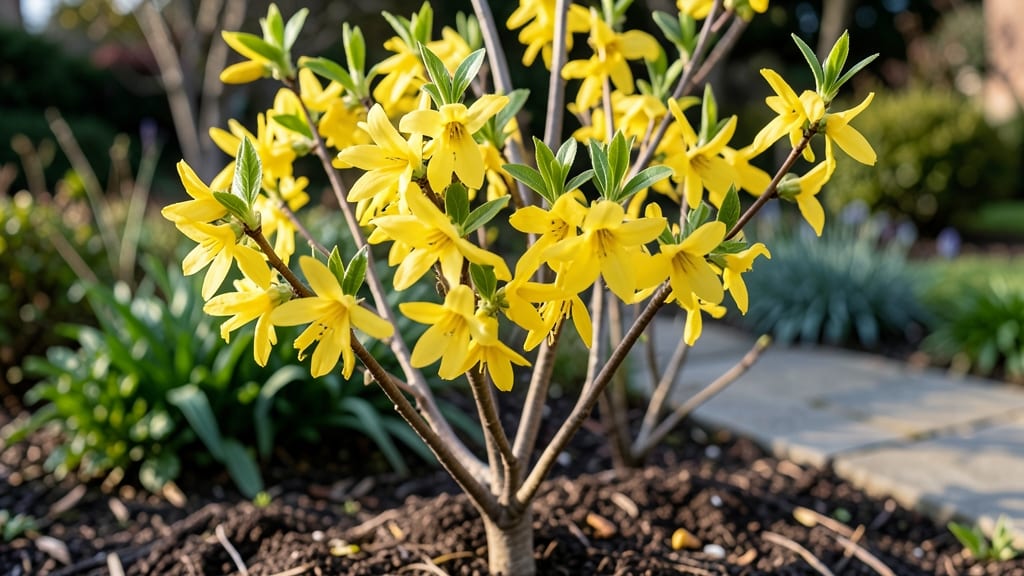
Forsythia blooms in Zone 7 between late February and early March 🌸, when temperatures consistently rise above 40°F after winter’s chill.
If you’ve ever wondered why your forsythia bushes stay stubbornly bare while your neighbors’ explode in vibrant yellow, the answer lies in Zone 7’s precise climate triggers—and timing is everything.
Most Zone 7 gardeners see their forsythia’s bright yellow canopy arrive by mid-March, but microclimates can shift that window by 2-3 weeks, depending on whether your yard sits in a cold pocket or urban heat island.
Below, I’ll break down the exact temperature cues, how to adjust for your local conditions, and the pruning mistakes that delay blooms—so you can plan for a show-stopping spring display.
Zone 7 forsythia bloom timeline: exact weeks and temperature triggers
Forsythia bushes in Zone 7 are famous for their bright yellow blooms that signal spring’s arrival—but timing can vary dramatically. While most gardeners expect blooms in late February to early April, the exact weeks depend on microclimates and temperature triggers.
Understanding these patterns helps you predict—and even encourage—your forsythia’s peak flowering window.
In Zone 7a/b, forsythia blooms are triggered by a combination of chill hours (below 45°F) and warmth spikes (above 50°F). The plant needs 600-1,000 chill hours over winter to break dormancy, but the blooms won’t open until daytime temperatures consistently reach 55°F-60°F for 3-5 days.
This explains why some bushes bloom in February while others wait until April.
Here’s the exact bloom timeline for Zone 7, broken down by phase and temperature cues:
| Bloom Stage | Average Week (Zone 7) | Temperature Trigger | Last Frost Risk |
|---|---|---|---|
| Bud Formation | Late January - Early February | Night temps 35°F-45°F, days warming to 50°F+ | High (Zone 7a) |
| Early Blooms | Mid-February (Zone 7b) / Late February (Zone 7a) | Consistent 55°F+ daytime temps | Moderate |
| Peak Bloom | Early March (Zone 7b) / Mid-March (Zone 7a) | 60°F-70°F daily, minimal frost risk | Low |
| Late Blooms | Late March - Early April | 50°F+ with no hard freezes (28°F) | None |
| Post-Bloom | April - May | 70°F+ (buds set for next year) | N/A |
*Timing shifts 1-2 weeks based on local microclimates (e.g., urban areas bloom earlier).
The first blooms typically appear when daytime temperatures climb above 55°F for 3 consecutive days, even if nights dip back into the 30s°F. This is why you might see early February blooms in Zone 7b (warmer microclimates) but delayed late March blooms in Zone 7a or shaded areas.
Pay attention to your local last frost date—blooms that open before March 15 risk damage from late frosts.
To encourage earlier blooms, plant forsythia in full sun (6+ hours daily) and avoid heavy pruning in late summer, which removes next year’s flower buds.
Mulch around the base in fall to protect roots from temperature swings, and water deeply in drought years to prevent stress that delays flowering. Even a 10°F warmer winter can shift blooms by 2-3 weeks!
Pro tip: Use a garden thermometer to track nighttime lows. Forsythia buds often swell in late January when temps drop to 35°F-40°F—a sure sign blooms are coming soon.
If your bushes bloom late, they may need more sun exposure or winter chill hours. Adjust pruning to open the canopy for better light penetration next year.
Remember, forsythia’s bright yellow canopy is a short-lived spectacle—blooms last only 2-3 weeks—so mark your calendar for peak bloom week (usually early March in Zone 7b). Once the flowers fade, focus on pruning to shape the shrub and prepare for next year’s display.
🌸
How to predict your forsythia’s bloom date using local microclimates
Your forsythia’s bloom date isn’t set in stone—it’s a moving target shaped by your yard’s unique conditions. In Zone 7, most bushes burst into yellow between late February and early March, but local factors can shift this window by 2-3 weeks.
Understanding your microclimate lets you predict—and even influence—when those cheerful blooms arrive. Start by mapping your yard’s heat zones, as urban heat islands can push blooms 10-14 days earlier than rural areas.
Even small details like south-facing slopes or shaded corners create microclimates that affect forsythia’s internal clock. For example, a slope might warm up faster in spring, triggering earlier blooms, while a north-facing spot could delay flowering until mid-to-late March.
Soil moisture plays a role too—dry soil can stress the plant, while consistently moist conditions encourage vigorous growth and timely blooming. By observing these patterns over 2-3 years, you’ll spot trends unique to your yard.
To refine your predictions, start a simple bloom journal. Note the exact date your forsythia’s buds open each year, along with weather conditions (like unusually warm Februarys or late frosts).
Over time, you’ll see patterns—like how a mild winter might delay blooms by a week or how heavy mulch keeps roots cooler, pushing flowers later.
For example, if your bush blooms on March 5 one year but February 28 the next, note whether the second winter had fewer than 500 chill hours (below 45°F).
You can also use this knowledge to your advantage. If you want earlier blooms, plant forsythia in a sunniest, warmest spot and mulch lightly to let soil heat up faster.
For later blooms (to avoid frost damage), choose a cooler microclimate or add a 3-inch layer of organic mulch in fall to insulate roots. Remember, forsythia needs 400-800 chill hours—if your yard runs warm, consider a late-blooming variety like ‘Spectabilis’, which handles heat better than standard types.
Pro tip: Pair your forsythia with early-blooming bulbs like daffodils or crocuses to create a layered spring display. If your forsythia blooms 2 weeks earlier than neighbors’, plant bulbs that thrive in cool soil (like glory-of-the-snow) to extend the show.
Conversely, if blooms are late, opt for tulips or hyacinths, which can handle slightly warmer spring soil. The key is matching your forsythia’s timing to complementary plants for a longer-season spectacle.
Finally, don’t overlook the power of pruning timing. Pruning right after blooming (late March to early April) encourages next year’s flowers, but pruning too late (after June 1) can delay or reduce blooms.
If you’re adjusting your microclimate to shift bloom dates, time your pruning to align with your goals—earlier pruning can push blooms slightly earlier the following year. With these tweaks, you’ll turn your forsythia into a predictable spring harbinger that fits your yard’s rhythm perfectly. 🌸