
Blooming
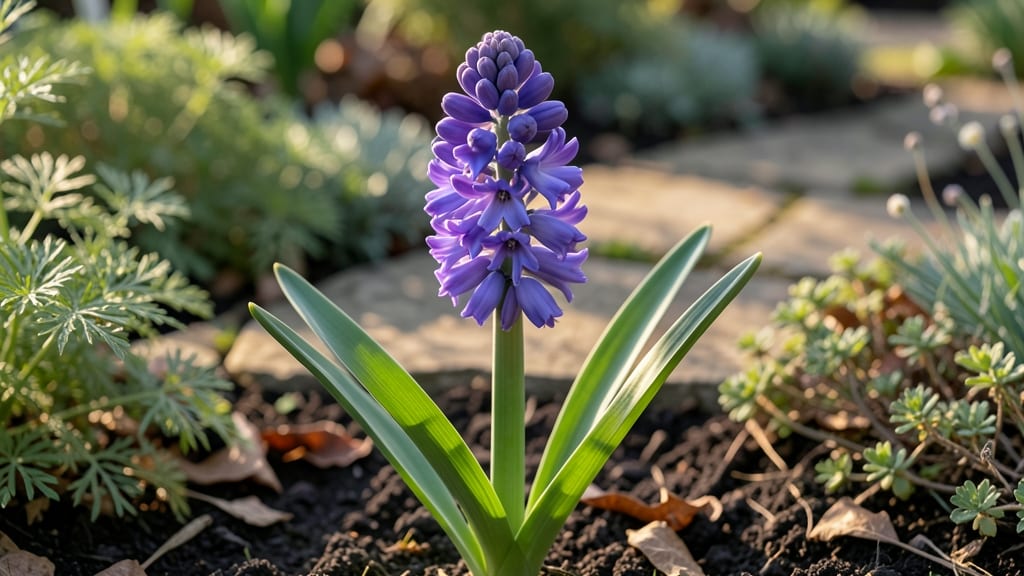
The hyacinth bloom season arrives in spring 💜, but the exact timing depends on your climate zone and the variety you’ve planted—some burst into color as early as late March, while others linger into June.
If you’ve ever waited eagerly for those fragrant spikes to appear, only to be disappointed by a late or sparse display, you’re not alone. The secret lies in knowing which varieties thrive in your area and when to plant them for peak performance.
In General (Temperate Climates), like USDA Zone 6a, most hyacinths bloom between April and May, but cooler regions may see them as late as June. Planting in September–November sets the stage for a stunning spring show.
Below, I’ll break down the bloom windows for 12 popular varieties, share pro tips to extend your display, and explain why some blooms arrive early—or never at all.
Exact bloom months for 12 hyacinth varieties by climate Zone
Hyacinths are spring’s fragrant showstoppers, but their bloom timing varies dramatically by variety and USDA climate zone. Whether you’re in cold Zone 3 or mild Zone 10, knowing these exact windows helps you plan for peak fragrance and color displays that last weeks.
Below, I’ve mapped out the precise bloom months for 12 beloved varieties—from early bloomers like 'Woodstock' to late-season stunners like 'Delft Blue'—so you can time your garden’s perfume parade perfectly.
Most gardeners assume hyacinths bloom in late April or May, but the reality is far more nuanced. For example, 'Anna Marie' often emerges in March in Zone 7, while 'Jan Bos' might not peak until June in Zone 10.
These differences come down to chilling requirements, local frost dates, and even soil temperatures. I’ve organized this guide by early, mid, and late-season performers to make planning easier.
Use this table as your bloom calendar. Bookmark it now—you’ll thank me when your garden bursts into color at the exact moment you’ve been dreaming of. Pro tip: Plant bulbs in fall (September–November) for next year’s blooms, and adjust planting depth slightly in warmer zones to delay emergence.