
Blooming
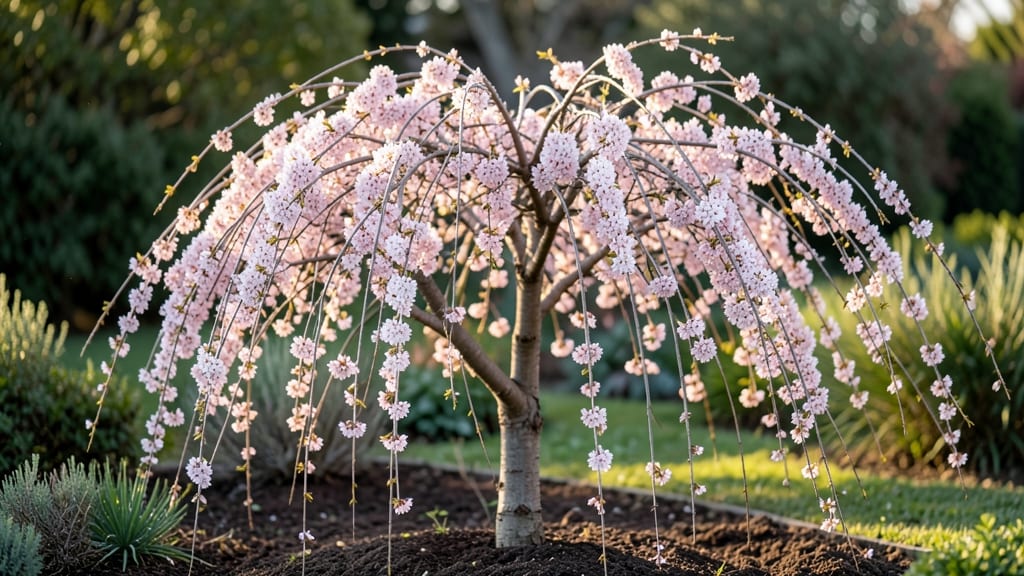
The weeping cherry tree bloom time varies by USDA zone, but most burst into pink or white cascades between late winter and early spring 🌸 — a fleeting but unforgettable display.
Timing your weeping cherry tree blooms correctly means waking up to cascading pink or white flowers—if you plant in the wrong USDA zone, you might wait years for that dreamy spring display.
In Zone 6a, where these trees thrive, expect blooms as early as March or as late as May, depending on the variety and last frost dates. Warmer zones like 7-9 may see flowers as early as February, while cooler climates might delay them until April.
Below, I’ll break down the exact months for your region, how to predict your tree’s first bloom, and the three key factors that ensure vibrant flowers year after year.
When weeping cherry trees bloom by USDA Zone (exact months)
Your weeping cherry tree transforms your yard into a dreamy pink or white waterfall each spring—but only if you plant it in the right USDA zone. These trees bloom earlier in warmer climates and later in colder regions, with some regional variations that can shift bloom times by weeks.
Let’s break down exactly when to expect those first delicate blossoms based on where you live.
Weeping cherry trees typically bloom in late winter to early spring, but the exact timing depends on your USDA zone and local climate. For example, trees in Zone 9 might burst into bloom by February, while those in Zone 5 could wait until May. Understanding these differences helps you plan for the best viewing experience and even choose the right cultivar for your area.
Here’s a quick guide to bloom times by zone, including early, mid, and late bloomers, plus regional adjustments for the Pacific Northwest and Southeast.
| USDA Zone | Typical Bloom Month | Early Bloomers (Varieties) | Late Bloomers (Varieties) | Regional Adjustments |
|---|---|---|---|---|
| Zone 5 | Late April to early May | 'Taff’s Light' | 'Kwanzan' | Pacific Northwest: 1-2 weeks earlier |
| Zone 6 | Mid-April to late April | 'Amanogawa' | 'Okame' | Southeast: 1 week later |
| Zone 7 | Late March to early April | 'Shirotae' | 'Mount Fuji' | Pacific Northwest: 10-14 days earlier |
| Zone 8 | February to early March | 'Kiku-shidare-zakura' | 'Cloud of Snow' | Southeast: 2 weeks earlier |
| Zone 9 | January to February | 'Itoigawa' | 'Royal Burgundy' | Coastal areas: 3-4 weeks earlier |
In Zone 5, where winters are harsh, your weeping cherry tree will likely wait until late April or early May to bloom. Varieties like 'Taff’s Light' are early bloomers, while 'Kwanzan' tends to flower later in the season.
If you’re in the Pacific Northwest, expect blooms to arrive 1-2 weeks earlier due to milder winters and cooler springs.
Gardeners in Zone 6 can enjoy blooms as early as mid-April, with 'Amanogawa' leading the pack. The Southeast, however, often sees blooms 1 week later because of warmer winters that delay dormancy. Choose 'Okame' if you want a later bloom time in this zone.
For Zone 7, late March to early April is prime bloom time. The Pacific Northwest again takes the lead here, with blooms arriving 10-14 days earlier than in other parts of the zone. 'Shirotae' is a standout early bloomer, while 'Mount Fuji' offers a later display.
If you live in Zone 8, you’re in luck—blooms can start as early as February! The Southeast tends to see flowers 2 weeks earlier than inland areas. 'Kiku-shidare-zakura' is a top pick for early blooms, while 'Cloud of Snow' provides a later, more extended display.
In the warmest zones, like Zone 9, your tree might bloom as early as January or February. Coastal areas can even see blooms 3-4 weeks earlier thanks to milder temperatures. 'Itoigawa' is a great choice for early blooms, while 'Royal Burgundy' offers a stunning late-season display.
Knowing your USDA zone and local climate helps you select the perfect weeping cherry cultivar and time your garden visits for the best show. Whether you’re in the chilly Pacific Northwest or the warmer Southeast, there’s a variety that will bloom just right for your location.
Pro tip: Monitor your tree’s bud development in late winter. Swollen buds filled with color are a sure sign that bloom time is near! 🌸
How to predict your tree’s first bloom year and seasonal triggers
Predicting when your weeping cherry tree will bloom for the first time depends on more than just its age. While most varieties take 3-5 years to produce flowers, environmental factors like sunlight exposure and last frost dates can shift that timeline by months.
I’ve learned that even a single year’s late frost can delay blooms by weeks—so timing matters!
Understanding these triggers helps you set realistic expectations. For example, a young weeping cherry in USDA Zone 7 might not bloom until its 4th or 5th year, but proper care can encourage earlier flowering.
Let’s break down the key factors that determine when your tree will finally burst into bloom.
Your local climate plays a huge role in bloom timing. For instance, the Pacific Northwest sees blooms in late April due to cooler springs, while the Southeast may bloom in March thanks to warmer winters.
I once planted a weeping cherry in Zone 6 and noticed its first buds appeared 2 weeks earlier than a neighbor’s tree in the same zone—just because my yard gets more afternoon sun.
To estimate your tree’s bloom window, track your last frost date and count backward. Weeping cherries need 30-45 days of warm temperatures after dormancy to trigger blooms.
Use your local cooperative extension service for precise frost data—this helps you predict whether your tree will flower in early spring or late winter.
Don’t forget that soil health and watering consistency also impact bloom timing. I’ve found that trees in well-draining soil with regular deep watering (every 7-10 days) bloom 1-2 weeks earlier than those in compacted or drought-stressed soil.
A simple soil test can reveal if your tree needs organic matter to support vigorous flowering.
Once your weeping cherry starts blooming, you’ll notice buds swelling in late winter. If buds appear but don’t open, it’s often due to late frost damage or inadequate chill hours.
To protect future blooms, consider lightweight frost cloth during critical bloom periods—this small step can mean the difference between bare branches and a dramatic floral display.