
Blooming
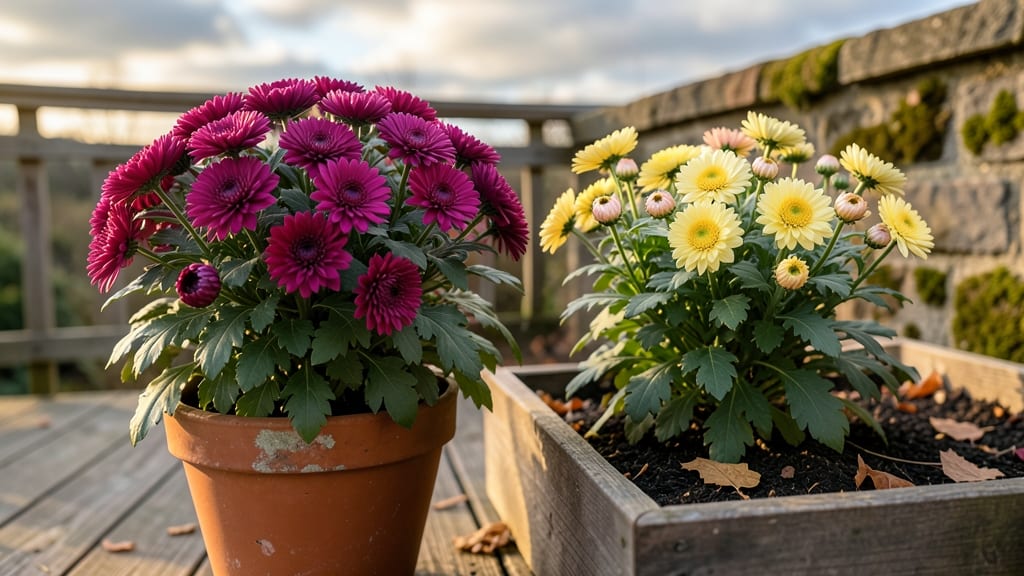
Mums (chrysanthemums) typically don't bloom in spring; most varieties flower in fall when daylight shortens. However, specific spring-blooming types like 'Springtime' or 'Spring Snow' exist, requiring precise chill hours and planting timing for early-season color. Your local climate zone determines which mum varieties will thrive and bloom when you want them.
Most mums need shorter daylight hours to trigger blooming, which is why they typically shine in fall. 🌸 The exception? Specialized spring-blooming varieties like 'Springtime' or 'Spring Snow' that undergo a process called vernalization—requiring cold exposure to "wake up" their blooming cycle.
I've found that planting these in late winter (after the last frost) and providing consistent moisture gives them the best chance to bloom earlier than traditional types.
Here's the catch: these spring varieties often need 6-8 weeks of temperatures below 40°F to set their blooms properly. If you're in a warmer climate (like USDA zones 8-10), you might need to plant them in containers and move them to a cooler spot during winter.
The key is matching the mum type to your local frost dates and daylight patterns—otherwise, you might end up with beautiful foliage but no flowers when you want them.
💡 In This Article
- How Daylight and Temperature Trigger Mum Flowering
- Best Spring-Blooming Mum Varieties and Planting Tips
How daylight and temperature trigger mum flowering
Mums rely on a process called photoperiodism, where their blooming is triggered by changes in daylight length. Most chrysanthemum varieties need 12-14 hours of daylight to shift from vegetative growth to flower production.
When days shorten in fall (below 12 hours of light), they detect this change through specialized pigments called phytochromes in their leaves, which signal the plant to start flowering. This is why traditional mums burst into color as autumn arrives—it's their natural response to shorter days.
The magic happens at the molecular level: when daylight shortens, the plant's circadian rhythm adjusts, increasing production of florigen, a protein that travels from leaves to buds, prompting bloom formation. 🌿 Spring-blooming varieties like 'Springtime' have been selectively bred to respond differently—they require 6-8 weeks of temperatures below 40°F (a process called vernalization) to "reset" their internal clock.
Without this cold exposure, they may produce foliage but delay blooming until fall. This is why gardeners in warmer climates often struggle with spring mums—they need that winter chill to trigger early flowers.
Temperature plays a secondary but critical role. Most mums prefer daytime temps between 65-75°F and cooler nights (50-60°F) for optimal growth. If spring arrives too early with warm temperatures, the plant may focus on leafy growth instead of blooming.
This is why planting spring varieties in late winter (after the last frost) gives them the best chance to experience that crucial cold period before warmer weather arrives.
The interplay between light and temperature creates a delicate balance that determines whether you'll see flowers in spring or have to wait for fall.
Another fascinating factor is the mum's genetic memory. Some varieties can "remember" their original blooming season from parent plants, meaning they may revert to fall blooming if not properly vernalized. This is why garden centers often sell spring-blooming mums as "reliable" varieties—they've been bred to overcome this genetic tendency.
For example, 'Spring Snow' has been cultivated to bloom consistently in spring across multiple generations, but it still needs those 40°F nights to perform reliably.
What most gardeners don't realize is that even spring-blooming mums have a second blooming window in fall if they survive the summer. This dual potential makes them excellent for containers, where you can move them to cooler microclimates during summer heat.
The key is understanding your local frost dates: plant spring mums 6-8 weeks before your last frost date to ensure they get that critical cold exposure while still having time to bloom before summer heat sets in.
Here's a quick comparison of how different mum types respond:
- Fall-blooming mums: Triggered by 12+ hours of darkness in autumn; no cold requirement
- Spring-blooming mums: Need 6-8 weeks below 40°F + 12+ hours of daylight in spring
- Continuous-blooming hybrids: Can produce flowers with proper light management year-round (often used in commercial floriculture)
The science behind mum blooming shows why these plants are such fascinating study subjects—they've evolved to detect subtle seasonal changes that most other garden plants ignore. This makes them both challenging and rewarding for gardeners who want to break the traditional fall-blooming cycle. 🌸