
Blooming
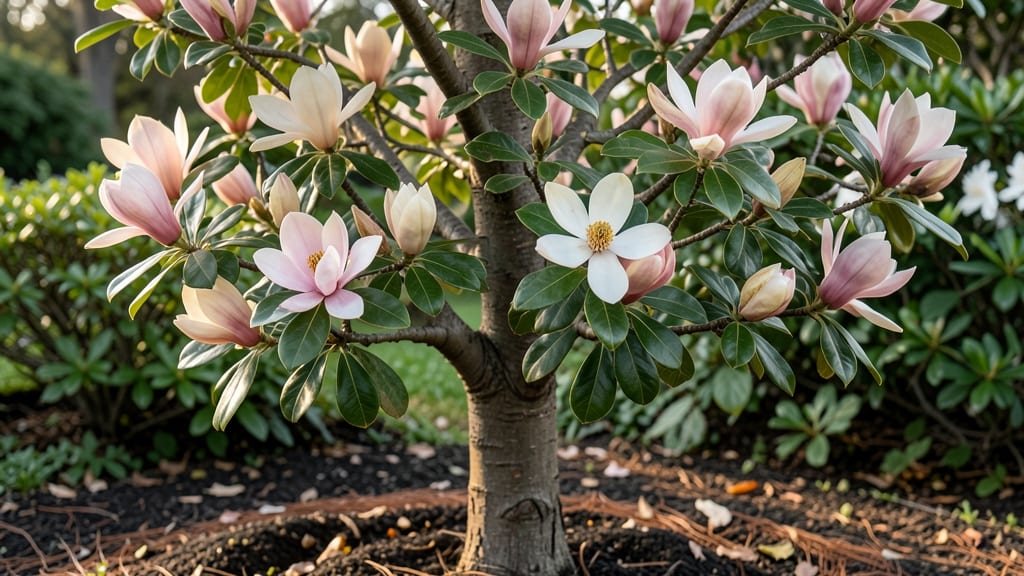
Magnolia trees bloom at different times depending on their variety and your climate zone, but most spring bloomers like the Magnolia stellata burst into flower as early as late winter—sometimes even in February—while others, like the Magnolia grandiflora, wait until late spring or summer.
If you’ve ever planted a magnolia tree hoping for stunning spring blooms—only to wait in vain—you’re not alone. The secret to timing those iconic flowers lies in understanding your USDA heat zone and the right variety, both of which dramatically impact bloom schedules.
For example, Zone 6a gardeners may see early blooms from Magnolia stellata in March, while Zone 9 might delay until May or June. Even within the same zone, microclimates—like a sheltered spot or urban heat island—can shift bloom times by weeks.
Below, I break down the bloom windows for top varieties, how to read your tree’s signals, and simple tricks to encourage earlier (or more reliable) flowers—no guesswork required.
When do Magnolia trees bloom? USDA heat Zones and bloom timing guide
Magnolia trees are famous for their stunning, fragrant blooms, but timing can be tricky. The USDA heat zone where you live and the specific magnolia variety you plant determine when those iconic flowers appear.
In cold climates (Zones 3-6), early bloomers like Magnolia stellata often flower in late April to early May, while warmer zones (7-11) may see blooms as early as February or March. Even within the same zone, microclimates can shift bloom times by weeks.
Southern gardeners planting Magnolia grandiflora might spot blooms in late spring through summer, while northern gardeners with Magnolia 'Jane' (Saucer Magnolia) often wait until May or June for their first flowers. The key is matching your local frost dates with the hardiness range of your magnolia.
For example, Zone 7 gardeners in Atlanta may see Magnolia 'Ann' bloom in April, while those in Zone 5 Chicago might not see flowers until mid-May.
If you're in Zone 4 or colder, focus on early blooming varieties like Magnolia stellata (Star Magnolia), which often flowers in late April after the danger of frost has passed. These trees are cold-hardy down to -20°F and thrive in full sun to partial shade.
In contrast, Zone 10 gardeners can enjoy Magnolia grandiflora blooms from December through March, as these evergreen varieties prefer warm winters and humidity.
One common mistake is assuming all magnolias bloom in spring. Some varieties, like Magnolia 'Jane' (Saucer Magnolia), produce pink flowers in late May, while Magnolia 'Black Tulip' offers dramatic purple blooms in early June.
Even within the same species, bloom times can vary by 2-4 weeks depending on local microclimates. For example, a north-facing yard in Zone 7 might delay blooms by 10-14 days compared to a south-facing site.
For northern climates (Zones 3-6), late-winter pruning can encourage earlier blooms by removing dead wood in February. In southern zones (7-11), avoid pruning in late summer, as this can reduce next year's flower production.
Always prune after blooming to preserve next season's buds, which form on old wood for most magnolia varieties.
Another pro tip: Mulch heavily in fall to protect roots from temperature swings, which can stress trees and delay blooming. In Zone 5, I've seen Magnolia 'Royal Star' bloom 3 weeks earlier in years with milder winters.
Meanwhile, Zone 9 gardeners often report Magnolia grandiflora blooming year-round in sheltered microclimates, though heavy summer rains can reduce flower quality.
If your magnolia isn't blooming on schedule, check for over-fertilizing with nitrogen, which promotes leafy growth at the expense of flowers. Instead, use a balanced 5-10-10 fertilizer in early spring to encourage bloom development.
I've also found that young magnolias (under 5 years old) often take 2-3 years longer to bloom than mature trees, so patience is key when planting new specimens.
For Zone 8
Top 5 Magnolia varieties ranked by bloom time and cold hardiness
Choosing the right magnolia variety can mean the difference between early spring blooms and waiting until late summer.
Not all magnolias thrive in the same USDA heat zone, so I’ve ranked these top five based on bloom time and cold hardiness to help you pick the perfect fit for your garden.
From delicate star magnolias that burst into bloom in early spring to southern magnolias that reward patience with late-season flowers, each variety offers something unique.
Here’s how they stack up for bloom timing, flower size, and cold tolerance—plus a quick rating guide to compare them at a glance.
If you’re in USDA Zone 4–6, prioritize Magnolia stellata or Saucer Magnolia for their early bloom time and cold resistance. These varieties often flower before the last frost, giving you a head start on spring color.
For warmer climates (Zones 7–10), Southern Magnolia and Sweetbay Magnolia shine with larger flowers and late-season blooms.
Pro tip: Yulan Magnolia (Magnolia denudata) is a hidden gem for Zone 5–9 gardens, blooming in late April–May with fragrant white flowers. Its moderate cold hardiness makes it a reliable choice for transitional climates. Pair it with Saucer Magnolia for a sequential bloom display from spring to summer.
For flower size, Southern Magnolia wins with 10–12-inch blooms, while Star Magnolia offers compact, star-shaped flowers (4–6 inches) that cover branches like confetti. If you love fragrance, Yulan Magnolia and Sweetbay Magnolia are top picks—both release a sweet, intoxicating scent that perfumes the air.
Remember: Bloom time isn’t just about the calendar—it’s also about microclimates. A Saucer Magnolia in a sheltered, south-facing spot might bloom 2–3 weeks earlier than one exposed to wind. Test your local conditions by planting a Star Magnolia first—it’s the most forgiving for beginners.
🌸