
Blooming
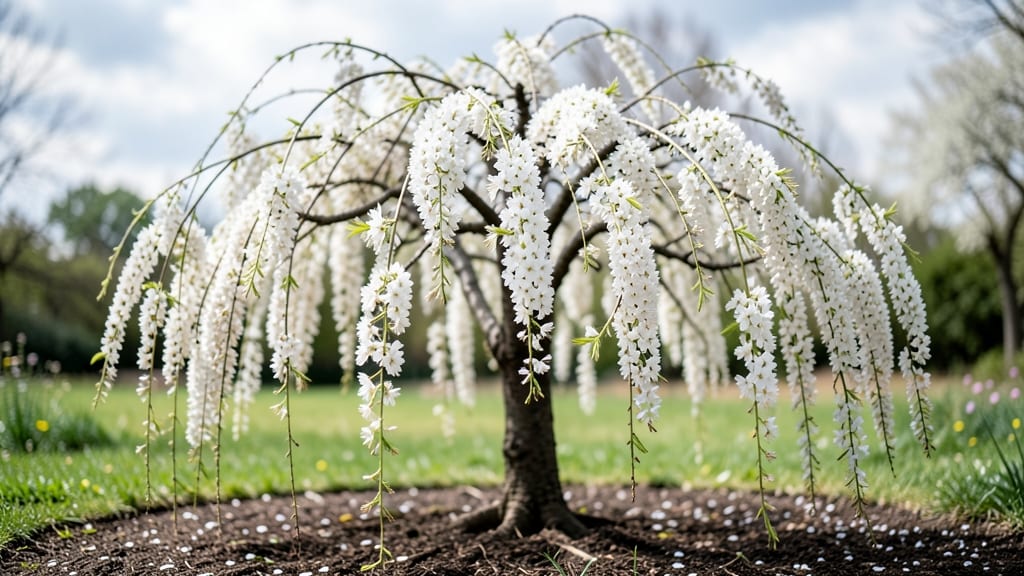
The weeping cherry bloom time varies dramatically by zone, but most USDA 6a gardeners see those iconic pink cascades arrive in late April or early May 🌸 — right when spring’s last frost finally retreats.
Timing your weeping cherry tree’s first bloom isn’t just about patience—it’s about understanding your USDA zone, microclimates, and the tree’s unique growth patterns to ensure vibrant spring displays every year.
In warmer zones like 7 or 8, blooms may push into March, while colder climates (Zone 5) often wait until May. Even a 5°F swing can shift the schedule by weeks, which is why knowing your local frost dates is the key to planning.
Below, I’ll break down the exact bloom windows by zone, how to spot delays, and the simple adjustments that keep your tree flowering reliably year after year.
Weeping cherry bloom time by USDA Zone: when to expect first flowers
Timing your weeping cherry tree blooms depends heavily on your USDA zone and local climate patterns. These stunning trees typically burst into pink or white blossoms in late spring, but the exact timing shifts dramatically from Zone 5 to Zone 9.
Understanding these variations helps you plan pruning, companion planting, and even photography opportunities for their peak display.
Northern gardeners in Zones 5-6 often see blooms arrive as early as mid-April, while southern growers in Zones 8-9 may enjoy flowers as late as May or June. The key difference lies in chilling requirements—weeping cherries need 500-1,000 hours below 45°F to trigger blooming.
Southern regions with mild winters sometimes experience delayed or sparse flowering if chilling hours are insufficient.
For gardeners in Zone 5, blooms typically arrive 2-3 weeks earlier than in Zone 9, but northern trees often face late frost risks. I recommend monitoring your local National Weather Service forecasts in March to time pruning after the last frost date.
In Zone 7, where I garden, weeping cherries usually bloom in early May, aligning with azalea and dogwood displays for a stunning spring sequence.
Southern gardeners in Zones 8-9 may need to choose low-chill cultivars like 'Shirofugen' to ensure reliable blooming. These varieties tolerate fewer than 300 chilling hours while still producing abundant flowers.
If your tree isn't blooming well, consider microclimate adjustments—planting near a north-facing wall can provide extra winter chill without summer heat stress.
One common misconception is that young weeping cherry trees bloom immediately. In reality, they often take 3-5 years to produce flowers after planting. Patience is key—focus on proper pruning in late winter to encourage a strong branch structure that will support future blooms.
I've seen 5-year-old trees in Zone 6 finally burst into spectacular displays, making the wait worthwhile.
Beyond zones, elevation changes can shift bloom times by 1-2 weeks. Mountain gardeners in Zone 6 might see blooms 2 weeks earlier than valley counterparts due to cooler temperatures.
Always adjust your expectations based on your specific microclimate—a sheltered urban yard may bloom later than a rural setting with unobstructed airflow.
To maximize bloom potential, I recommend spring fertilization in March with a balanced 10-10-10 formula. Avoid high-nitrogen fertilizers, which encourage leafy growth at the expense of flowers. Pair this with deep watering every 7-10 days during the growing season to maintain consistent moisture without waterlogging the roots.
Remember that weeping cherry blooms typically last 1-2 weeks, so timing your garden visits accordingly ensures you don't miss the show. In my experience, late afternoon sunlight enhances the pink hues, making it the
How climate affects weeping cherry bloom time: heat, cold, and microclimates
Climate plays a starring role in determining when your weeping cherry tree bursts into bloom. Unlike many plants, these stunning trees rely on specific winter chilling hours—typically 500-1,000 hours below 45°F—to trigger their spring flowering cycle.
Without enough cold exposure, buds may fail to open, leaving you with sparse or delayed blooms.
Even within the same USDA zone, microclimates can shift bloom timing by weeks. For example, a tree planted in a sunny, sheltered spot might bloom earlier than one in a windy or shaded area.
Understanding these nuances helps you predict—and even influence—when your tree will dazzle with pink or white blossoms.
⚠️ callout warning
Urban heat islands—areas where pavement and buildings trap warmth—can also throw off bloom schedules. Trees in cities often experience earlier but shorter bloom periods because the extra heat tricks them into thinking winter is over.
If you’re in an urban area, consider planting near reflective surfaces or using light-colored mulch to moderate soil temperatures.
For consistent blooms, prioritize well-drained soil and avoid planting near heat-retaining structures. A northern exposure in hot climates can delay bud break until temperatures stabilize, while a southern exposure in cooler zones may encourage earlier—but potentially frost-damaged—flowers.
Monitor your tree’s bud development in late winter. Healthy buds should appear plump and slightly sticky (a sign of moisture). If they stay small or dry out, your tree may need additional winter chilling or adjusted watering in fall to prepare for spring.
By observing these climate cues, you can optimize your weeping cherry’s location for reliable blooms year after year. Even small adjustments—like adding morning sun exposure or shielding from afternoon heat—can make a big difference in timing and flower quality.