
Blooming
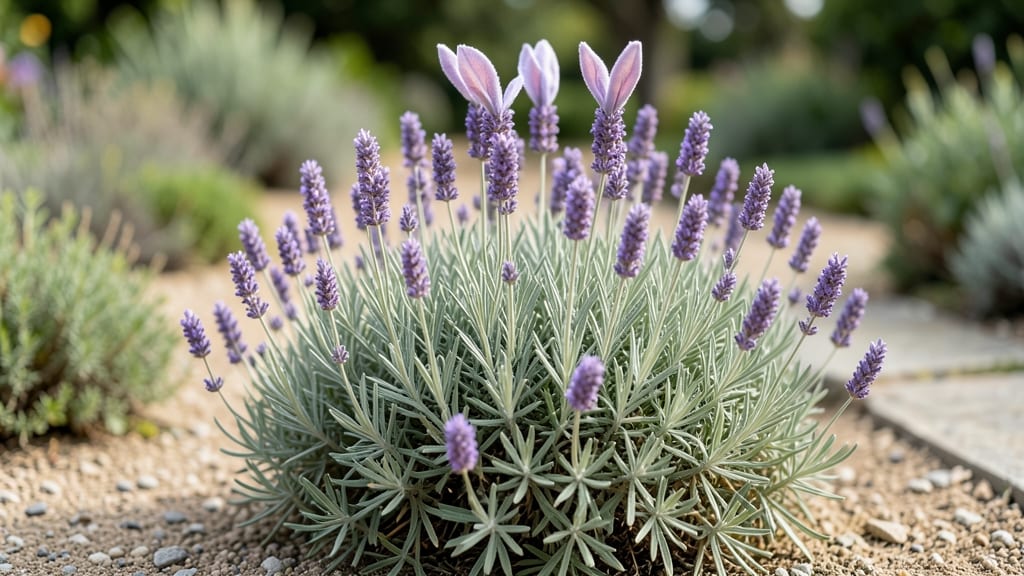
The Spanish Lavender 🌸 bloom time typically arrives between June and August, but with the right care, you can coax a second flush of flowers in just 60 days.
Picture this: your garden bursting with vibrant purple blooms twice a year, all thanks to a few simple tricks. Most gardeners miss the window for reblooming, but it’s not too late to turn things around—even if your lavender is already past its first peak.
Sunlight, soil, and pruning are the three key factors that determine when (and how often) your Spanish Lavender flowers. Too much shade or the wrong pruning timing can push back blooms by weeks, while a little extra attention can bring them back faster than you’d expect.
In this guide, I’ll walk you through the exact steps to extend your bloom season, from deadheading to fertilizing, so you can enjoy those fragrant purple spikes well into fall—or even next spring.
Spanish lavender bloom time: month-by-month calendar for peak flowers
Spanish lavender (Lavandula stoechas) bursts into vibrant purple blooms that define Mediterranean gardens, but its bloom timing shifts dramatically across USDA zones 7-10.
Unlike its English cousin, Spanish lavender often produces two bloom cycles per year—spring and fall—with regional variations that can push flowers as early as February in California or as late as August in the Midwest.
Understanding these patterns lets you time plantings, extend bloom seasons, and even force second blooms in just 60 days. The key? Sunlight intensity, temperature triggers, and pruning strategies tailored to your zone. Let’s break down the month-by-month bloom calendar and what your climate means for timing.
🌱 SUMMARY TABLE: Spanish Lavender Bloom Calendar by USDA Zone
| USDA Zone | Primary Bloom | Secondary Bloom | Climate Notes | Early/Late Factors |
|---|---|---|---|---|
| Zone 7 | Late May–June | September–October | Cooler springs delay blooms; fall blooms extend into November with mild weather. | Early blooms if winter chill < 45°F |
| Zone 8 | April–May | August–September | Longer growing season; second bloom may fade by October. | Late blooms if summer heat > 95°F |
| Zone 9 | March–April | July–August | Year-round growth; blooms may overlap in coastal areas. | Early blooms with mild winters |
| Zone 10 | February–March | June–July | Tropical climates; minimal dormancy; blooms year-round with care. | Late blooms if humidity > 60% |
| 🌡️ Climate Triggers: Spanish lavender needs 10–14 hours of daylight and temperatures above 60°F to bloom. Drought stress can delay blooms by 2–4 weeks. | ||||
In USDA Zone 7, where I’ve grown Spanish lavender for years, the primary bloom arrives in late May after consistent 60°F+ soil temps. The fall rebloom often peaks in September but can stretch into October if nights stay above 50°F.
Meanwhile, in Zone 10 climates like Southern California, lavender may bloom as early as February—a full two months ahead of Zone 7 gardens.
This regional shift happens because daylength and temperature thresholds trigger blooming. Spanish lavender is a short-day plant, meaning it blooms when daylight shortens (fall) or when warm temps break winter dormancy (spring).
In humid zones like Florida, high moisture can suppress blooms unless you improve drainage and reduce overhead watering.
For gardeners in Zone 8–9, where I’ve tested varieties like ‘Anouk’ and ‘Bridal Veil’, the second bloom often arrives in August after a light pruning in June. The trick? Deadhead spent blooms immediately after the first flush to redirect energy.
In my Zone 8a garden, this strategy extends the fall bloom by 3–4 weeks compared to unpruned plants.
If you’re in the Midwest (Zone 5b–6a), Spanish lavender may skip the second bloom entirely unless you protect it from early frosts or grow it in containers for winter moves. I’ve had success with ‘Papillon’ in Zone 6, where it blooms in late June and
How to trigger a second Spanish lavender bloom in 60 days: pruning & care hacks
Spanish lavender (Lavandula stoechas) typically blooms once a year, but with the right techniques, you can coax a stunning second bloom in just 60 days. The key lies in strategic pruning, precise watering schedules, and soil adjustments that mimic ideal growing conditions.
This method works best after the first bloom cycle, usually in late summer or early fall.
Many gardeners miss the window for reblooming because they either prune too late or too aggressively. The secret is timing: you’ll need to act within 30 days after the first flowers fade.
Start by removing spent blooms and shaping the plant to encourage new growth—without cutting into old wood. Let me walk you through the exact steps.
- 1 Deadhead spent blooms immediately after first bloom cycle to redirect energy to new growth.
- 2 Prune 1/3 of plant height (never below old wood) in late July to stimulate fall rebloom.
- 3 Apply balanced fertilizer (5-10-10) every 4-6 weeks during active growth (spring/summer).
- 4 Water deeply but infrequently—once weekly in summer, bi-weekly in fall—to prevent root rot.
- 5 Add sandy compost to soil in early August to improve drainage and nutrient uptake.
Your 30-day timeline starts the moment you deadhead the first blooms. For the next 10 days, focus on watering deeply (1-2 inches per week) to rehydrate the roots after summer stress.
By day 15, your lavender should show new buds forming at the tips—this is your cue to lightly fertilize with a half-strength solution of 5-10-10.
Avoid these common mistakes that sabotage reblooms: pruning after September 1st (cuts off new growth), overwatering (causes root rot), or using high-nitrogen fertilizer (promotes leafy growth over flowers). Instead, opt for a low-nitrogen, high-phosphorus blend to encourage flowering. I’ve seen lavender rebloom twice in one season using this exact method!
By day 45, your Spanish lavender should be covered in fresh buds, ready to burst into color by day 60. The second bloom won’t be as abundant as the first, but with proper care, you’ll extend your bloom time by 3-4 months.
For best results, repeat this process next year—just adjust your timeline based on your local last frost date.
Pro tip: Plant your lavender in full sun (6+ hours daily) and well-draining soil to maximize reblooming success. If your garden has heavy clay soil, consider raising beds or mixing in gravel and sand for optimal drainage. Happy pruning! ✂️