
Blooming
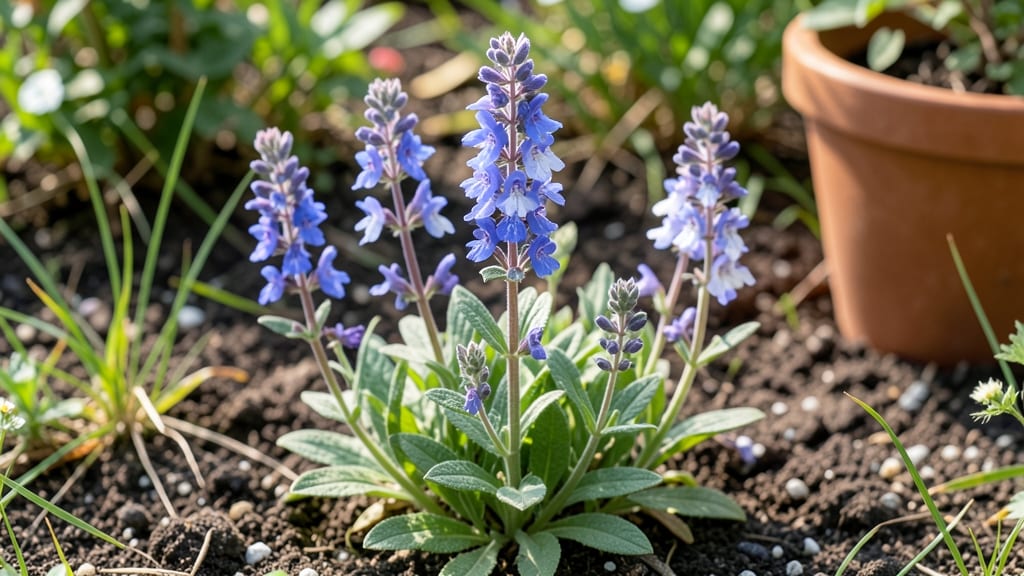
Speedwell blooms typically from late spring through summer, with those iconic purple spikes lighting up gardens for weeks—but the timing can shift based on your climate and care.
Picture this: you’ve waited months for your 🌸 speedwell to take off, only to see a single flush of blooms and then… silence. That’s because most varieties peak in May to July, but with the right tricks, you can stretch that show into September.
The secret? It’s all about sunlight, water, and a little pruning know-how. Too much shade or inconsistent moisture, and your speedwell might throw its energy into leaves instead of flowers. But get it right, and you’ll have a garden that stays vibrant long after the first heatwave hits.
In this guide, I’ll walk you through the exact timing for your zone, how to coax repeat blooms, and which speedwell varieties stay in peak form the longest—so you can enjoy those purple spikes from spring all the way into fall.
Natural speedwell bloom time: seasonal patterns & climate influences
Speedwell (Veronica spp.) is famous for its vibrant purple spikes that appear like clockwork in late spring and early summer. But did you know these blooms can last 6-8 weeks with the right conditions?
Understanding their natural bloom time helps you plan your garden for maximum impact and even coax extra blooms.
The primary bloom window for most speedwell varieties falls between late May and July. However, this timeline shifts based on your USDA hardiness zone and local climate.
In warmer zones (8-10), blooms may start as early as April, while cooler zones (4-6) might see them arrive in June.
Here’s how sunlight exposure directly impacts bloom timing: Speedwell thrives in partial shade (3-6 hours of sun daily). Too much direct sun can cause blooms to fade faster, while too little shade may delay flowering. The ideal balance ensures vibrant, prolonged spikes.
Temperature plays a crucial role too. Most Veronica species need consistent daytime temps between 60-75°F to trigger blooming. If summer heat spikes above 85°F, blooms may bolt prematurely. In contrast, cooler climates (like Pacific Northwest) often see longer bloom periods because heat stress is minimal.
| Factor | Impact on Bloom Time | Optimal Range |
|---|---|---|
| Sunlight | Delays or advances blooms; too much sun shortens duration | 3-6 hours daily |
| Temperature | Cooler temps extend bloom; heat above 85°F causes bolting | 60-75°F daytime |
| Humidity | High humidity may encourage fungal issues, reducing bloom quality | 40-60% relative humidity |
| Soil Moisture | Overwatering delays blooms; drought stress shortens duration | Consistently moist but well-drained |
| Variety | Early bloomers (e.g., 'Sunny Border Blue') start in April; late bloomers (e.g., 'Red Fox') peak in July | April–July (varies by type) |
Not all speedwell varieties bloom at the same time. Early bloomers like 'Sunny Border Blue' often start flowering in April, while late bloomers such as 'Valerie Finnis' may not peak until mid-July. Choosing a mix of varieties ensures continuous color from spring to early fall.
Regional climate also shifts bloom timing. In Mediterranean climates, speedwell may bloom in winter (November–February) due to mild temperatures. Meanwhile, in temperate zones, a late frost can delay blooms until June. Always check your local frost dates to time plantings for optimal results.
If you’re in a hot, dry climate, consider planting speedwell in partial shade near trees or on east-facing garden beds. This setup mimics their natural habitat and helps maintain vibrant blooms for weeks longer than full-sun exposures.
One pro tip: Deadheading spent blooms (removing faded flowers) can encourage secondary flushes of color, especially in varieties like 'Goodness Grows'. This simple task tricks the plant into focusing energy on new blooms instead of seed production.
For gardeners in USDA Zone 5 or colder, treat speedwell as a short-lived perennial. It may bloom more prolifically in its first year but could decline after two seasons. In warmer zones (7+), it often self-seeds, creating naturalizing displays year after year.
To maximize your speedwell’s bloom time, pair it with companion plants like salvia or catmint, which thrive in similar conditions. This not only extends your garden’s color season but also attracts pollinators, supporting a healthier ecosystem.
How to extend speedwell bloom time: deadheading & pruning techniques
Speedwell (Veronica) delivers those stunning purple flower spikes that brighten gardens from spring through summer—but their natural bloom cycle often fades too soon. The secret to prolonged flowering lies in strategic deadheading and pruning.
By removing spent blooms and shaping growth, you can encourage repeat flowering for weeks longer than the typical 6-8 week display.
Different Veronica varieties respond best to specific timing and techniques. For example, Veronica spicata (like 'Sunny Border Blue') thrives with light pruning after initial blooms, while Veronica longifolia benefits from more aggressive cut-back pruning mid-season. Let’s break down the exact steps to maximize your speedwell’s bloom duration.
Step-by-Step Guide to Extending Speedwell Blooms
- 1 Deadhead spent blooms weekly – Use clean pruners or fingers to pinch off faded flower spikes at the base. This prevents seed production and redirects energy to new growth.
- 2 Prune leggy stems after first flush – Cut back overlong stems by one-third to encourage bushier growth. Do this 4-6 weeks after initial blooms for perennial varieties.
- 3 Fertilize lightly after pruning – Apply a balanced 10-10-10 fertilizer to promote new growth. Use half-strength solution to avoid burning tender stems.
- 4 Water deeply post-pruning – Soak the root zone to reduce stress. Aim for 1 inch of water weekly during dry spells to support new flower buds.
- 5 Monitor for pests after pruning – Check for aphids or spider mites, which thrive on stressed plants. Treat with neem oil if needed to protect new growth.
Timing is everything when it comes to Veronica pruning. For spring-blooming varieties, prune after the first main flush of flowers (typically late May to early June in most USDA zones). Summer-blooming types may need a second pruning in late July to trigger another round of blooms before fall.
Pro tip: Annual speedwells (like Veronica pectinata) don’t need pruning—they self-seed prolifically. Instead, focus on deadheading to keep them flowering until frost. For perennial varieties, a light trim in early spring removes dead foliage and encourages fresh growth before the main bloom season.
With these techniques, your speedwell blooms can last 3-4 months instead of just a few weeks, giving you months of vibrant purple spikes to enjoy in containers, borders, or cutting gardens.
The key is consistency—deadhead regularly, prune at the right time, and keep the plants healthy with proper water and fertilizer. 🌸✂️🌿