
Blooming
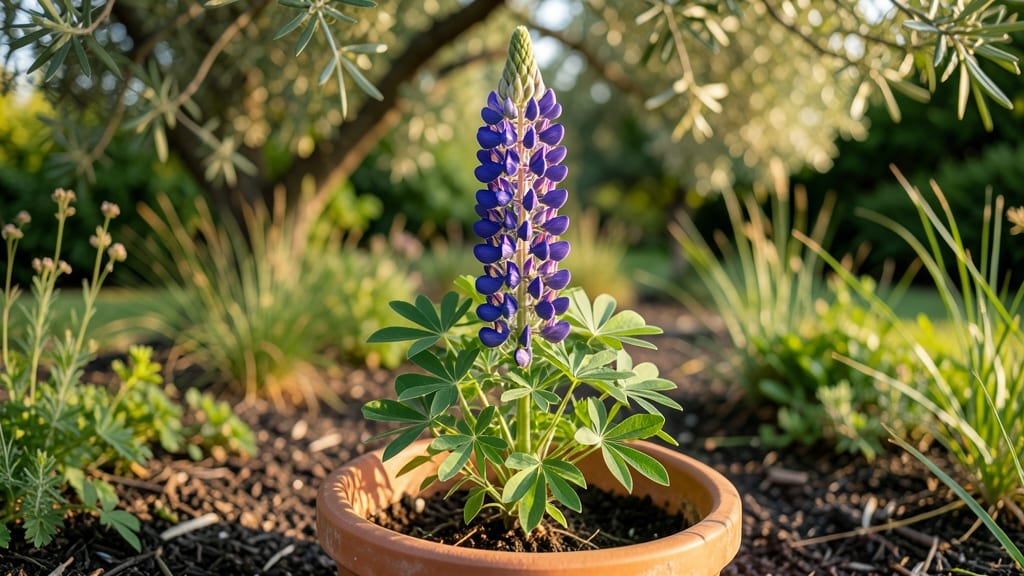
If you’ve ever watched lupines burst into vibrant blooms—only to vanish in weeks—you’re not alone. The secret to longer blooming seasons lies in understanding their natural cycle and a few simple garden tricks, whether you’re in a cool mountain zone or a warm coastal climate.
In USDA Zone 6a, where lupines thrive, most varieties peak between May and June, but timing shifts with altitude and variety. Early bloomers like Lupinus perennis may start as early as April, while taller species like Lupinus polyphyllus stretch their show into July.
Below, I’ll share how to coax reblooms with pruning, soil tweaks, and variety choices—so your lupines don’t just shine for a month, but for the whole season.
Lupine bloom time by USDA hardiness zones: when to expect flowers
Lupines are stunning perennials that transform gardens with their spiky, colorful blooms, but their timing varies dramatically depending on your USDA hardiness zone and the specific variety. In cooler zones like 3-5, expect early spring blooms, while warmer zones 8-10 may see summer displays.
Understanding these patterns helps you plan companion plants and extend the season with reblooming techniques.
Most lupines follow a single flush of blooms, typically lasting 4-6 weeks, but some varieties—like Lupinus polyphyllus—can produce secondary blooms if cared for properly.
Your zone, soil conditions, and pruning habits all play critical roles in when (and if) lupines will reward you with vibrant color returns.
| Zone | Primary Bloom Window | Rebloom Potential | Best Varieties | Climate Notes |
|---|---|---|---|---|
| 3-5 | Late May - Early July | Low (cool nights limit reblooms) | Lupinus perennis, Lupinus nootkatensis | Short growing season; plant in full sun for earliest blooms. |
| 6-7 | Early June - Late August | Moderate (with deadheading) | Lupinus polyphyllus, Lupinus 'Chief Joseph' | Ideal for reblooming; mulch to retain moisture. |
| 8-9 | July - Early September | High (warmth extends season) | Lupinus 'My Castle', 'Russell Hybrid' | Heat-tolerant; water deeply during drought. |
| 10 | August - October | Very High (year-round potential) | Lupinus arboreus, Lupinus 'Albus' | Plant near coastal breezes to prevent heat stress. |
The earliest bloomers, like wild blue lupine (Lupinus perennis), thrive in zones 3-6 and often flower by late May. These varieties are spring ephemerals, meaning they bloom early before summer heat sets in.
In contrast, tall garden lupines (Lupinus polyphyllus) prefer zones 4-8 and typically bloom in June or July, making them perfect for summer cottage gardens.
In warmer zones (8-10), lupines like Lupinus arboreus (tree lupine) can bloom as late as October, especially if given consistent moisture and partial shade in peak summer. These late-season performers are ideal for extending color into fall and pair beautifully with goldenrod or asters.
Your local climate also affects bloom timing. In coastal regions (e.g., USDA Zone 7b-9), cooler ocean breezes may delay blooms by 2-4 weeks compared to inland areas. Conversely, desert zones (9-10) often see lupines bloom earlier due to intense spring sunshine.
To encourage reblooms, focus on three key factors: deadheading spent blooms, light pruning after flowering, and balanced fertilization.
In zones 6-10, I’ve seen second flushes appear 6-8 weeks after the initial bloom if I remove seed pods promptly and add a low-nitrogen fertilizer (e.g., 5-10-10).
For cool zones (3-5), prioritize early planting (as soon as soil thaws) and protect plants from late frosts. Use row covers to shield young shoots, which can delay blooms if damaged.
In these zones, dwarf varieties like Lupinus nootkatensis* (Alaska lupine) are hardier and may produce smaller but more reliable blooms.
One common mistake gardeners make is over-fertilizing with nitrogen, which promotes leafy growth at the expense of flowering. Instead, use a phosphorus-rich fertilizer (e.g., bone meal) in early spring to support root and bloom development.
Pair this with well-draining soil—lupines hate soggy roots—and you’ll see healthier, longer-lasting blooms.
Pro tip: In zones 7-10, try interplanting lupines with low-growing annuals like snapdragons or pansies. As lupines finish blooming, these companions will fill the gap while lupine foliage provides natural mulch, reducing weeds and retaining moisture for
Lupines are famous for their dramatic spring blooms, but many gardeners miss the chance to extend their beauty into summer. The key lies in understanding their natural cycle and using strategic gardening techniques to encourage reblooming. Unlike annuals that flower once, many perennial lupines can produce second or even third flushes with the right care. I’ve found that timing is everything—whether you’re deadheading spent blooms or pruning back leggy stems. Lupines store energy in their roots, and how you manage that energy determines whether they’ll reward you with another burst of color. Let’s dive into the step-by-step methods that work best in my USDA Zone 6a garden, adaptable to zones 3-9. Over-pruning after the first bloom can signal lupines to go dormant for the season. Many gardeners cut back too aggressively, thinking it encourages new growth—but lupines need at least 60% of their foliage to photosynthesize and store energy for reblooms. Save heavy pruning for late summer or early fall. Start with deadheading as soon as blooms fade. Use clean pruning shears to snip spent flower spikes just above the first set of leaves. This redirects energy from seed production back into the roots, priming the plant for a second bloom cycle. I’ve seen ‘My Castle’ lupines produce a second flush 6-8 weeks later when deadheaded consistently. For post-bloom pruning, wait until after the first frost or when foliage turns yellow. Cut back stems to 6-12 inches tall, leaving some leafy growth to protect the crown. This rejuvenates the plant while preventing disease buildup in old stems. Avoid pruning in mid-summer heat, as lupines are sensitive to stress during their dormant transition. Soil plays a huge role in reblooming success. Lupines thrive in well-draining, slightly acidic soil (pH 6.0-7.0). Before planting, amend your soil with compost and bone meal (for phosphorus) to boost root development and flower production. I’ve had the best results with a 5-10-10 fertilizer applied lightly in early spring—never more than 1 tablespoon per plant. Watch out for these rebloom killers: overwatering, which causes root rot; high-nitrogen fertilizers, which promote leafy growth over flowers; and crowded planting, which competes for nutrients. My ‘Chief Joseph’ lupines rebloomed reliably until I accidentally planted them too close to competing perennials—their second flush was weak and sparse. With these techniques, you can turn a one-time spring show into a season-long lupine spectacle. The secret? Balance—prune wisely, feed lightly, and let those roots store up energy for another round of vibrant blooms. 🌸How to trigger lupine reblooms: pruning, deadheading, and soil tricks
⚠️ Critical Lupine Bloom Timing Mistake