
Blooming
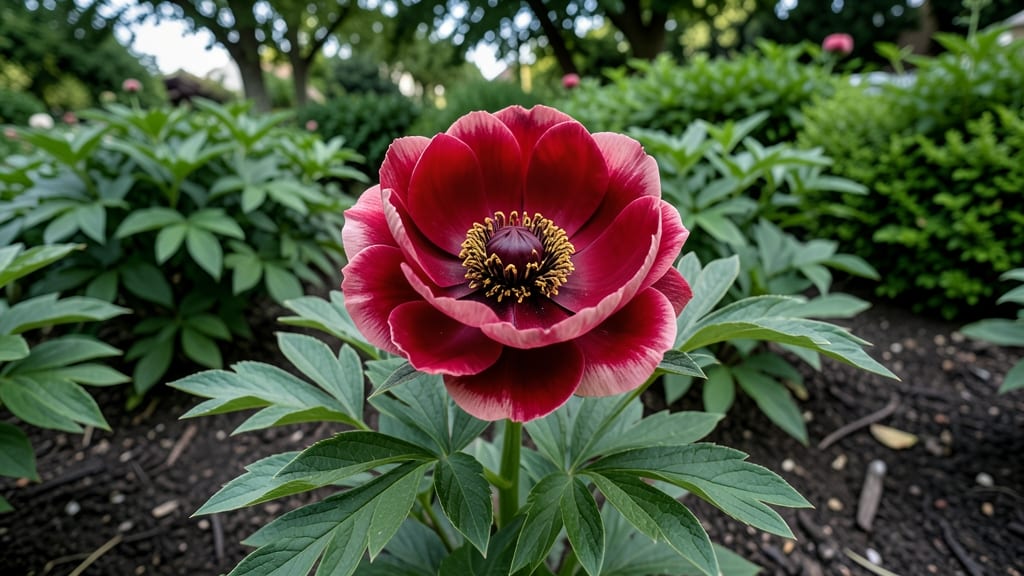
Growing single bloom peonies means trading quantity for drama—each stem delivers one massive, velvety flower that turns heads from May through June. 🌸 I planted mine last fall after years of admiring neighbors' peony patches, and now I understand why they're prized: these aren't just flowers, they're statement pieces that outshine everything else in the garden.
The secret to their success? A little patience and the right growing conditions.
These peonies thrive on neglect almost as much as they do on care—just give them full sun, well-draining soil, and consistent moisture (not soggy roots).
The key difference from fancier double-bloom varieties is their stronger stems and hardier nature, making them perfect for colder climates where other peonies might struggle. Most gardeners plant them in early fall, about 1-2 inches deep, and let winter do the heavy lifting of root establishment.
By early summer, you'll be rewarded with bowl-sized blooms that last 7-10 days on the plant—longer than most cut flowers stay fresh. The trade-off? They only bloom once per season, but the payoff is worth it for gardeners who value impact over volume.
Prune back stems in late fall, and you'll have a low-maintenance garden centerpiece that keeps coming back year after year.
Perfect for cottage gardens, cutting gardens, or as a dramatic focal point near your front door. The frosty resilience and bold beauty make them a no-brainer for gardeners who want wow factor with minimal fuss. Here's how to get started without the common pitfalls.
📚 In This Guide
- What you need
- Instructions
- Tips and common mistakes
- Wrapping up and next steps
What you need
- ● Single bloom peony plants: 1–3 bare-root or container-grown plants (choose Paeonia lactiflora or Paeonia officinalis varieties for best results).
- ● Pro tip: Opt for disease-resistant cultivars like ‘Sarah Bernhardt’ or ‘Karl Rosenfield’ for low-maintenance elegance! 🌡️
- ● Soil: 3–5 cubic yards of well-draining, fertile loam (amend with compost if your soil is heavy or sandy).
- ● Organic matter: 5–10 lbs of compost or aged manure per planting hole.
- ● Fertilizer: 10–20–10 balanced fertilizer (1 cup per plant at planting).
- ○ Optional: Bone meal (1/2 cup per plant) for phosphorus boost.
- ● Mulch: 2–3 inches of organic mulch (straw, wood chips, or shredded leaves).
- ● Garden tools: Trowel or hand shovel.
- ● Garden fork or spade (for breaking up soil).
- ● Pruners (sterilized with rubbing alcohol).
- ● Location: Full sun (6+ hours/day) in a frost-hardy zone (3–8).
- ● Watering supplies: Garden hose with nozzle or drip irrigation system.
- ○ Optional upgrades: Peony rings or cages (to support heavy blooms).
- ● Soil pH test kit (ideal pH: 6.5–7.0).
- ● Slow-release fertilizer tablets (for convenience).
Step-by-step guide to planting and caring for single bloom peonies
Here’s how to cultivate those coveted single-bloom peonies—where each stem delivers one showstopper flower instead of a fluffy cluster.
🌱 Step 1: Choose the Perfect Planting Site
Peonies thrive in full sun to partial shade, with at least 6 hours of direct sunlight daily. I always pick a spot with morning sun and afternoon shade in hotter climates—this prevents scorching while ensuring robust blooms. The soil must drain well, so avoid low-lying areas where water pools after rain.
Test your soil’s drainage by digging a 12-inch deep hole and filling it with water. If it drains in under 2 hours, the site is ideal. If not, amend the soil with 2-3 inches of coarse sand or perlite mixed into the top 12 inches of soil. Peonies hate soggy roots, which leads to rot and lost blooms.
🪴 Step 2: Plant Bare-Root Peonies at the Right Depth
Bare-root peonies arrive dormant in early spring. Plant them as soon as they arrive—don’t let them dry out. Dig a hole wide enough to spread the roots without bending them. The eyes (the swollen buds where stems emerge) should sit 1-2 inches below the soil surface. Planting too deep delays blooming; too shallow risks frost damage.
Backfill with native soil, pressing gently to eliminate air pockets. Water deeply to settle the soil and remove any air gaps. Mulch with 2-3 inches of organic matter (like shredded bark) to retain moisture and regulate soil temperature. This step is critical—peony roots are shallow, and consistent moisture encourages strong root growth for next year’s blooms.
☀️ Step 3: Provide Consistent Water and Fertilizer
Water peonies deeply once a week during the first growing season, aiming for 1 inch of water per week. Let the top 2 inches of soil dry out between waterings to prevent fungal diseases. Once established, peonies are drought-tolerant, but the first year sets the foundation for future blooms.
Fertilize lightly in early spring with a balanced 10-10-10 fertilizer (use ½ the recommended dose). Avoid high-nitrogen fertilizers—they promote lush foliage at the expense of flowers. I skip fertilizer in the second year unless the plant looks weak, and never fertilize after mid-summer to encourage dormancy.
✂️ Step 4: Prune and Mulch for Winter Hardiness
After the first frost, cut back the foliage to 2 inches above the ground. This prevents disease and makes it easier to spot new growth in spring. Never prune in fall—wait until the plant is fully dormant. Apply a 3-4 inch layer of mulch (like straw or shredded leaves) to insulate the roots and protect against freezing temperatures.
Peonies are famously frost-resistant, but young plants benefit from extra protection. In zones with hard freezes below 0°F, mound an additional 2-3 inches of soil or mulch over the crown. Remove the extra mulch in early spring to avoid suffocating the emerging shoots.
⏰ Step 5: Enjoy and Plan for Next Year’s Blooms
Single-bloom peonies reward patience—full bloom typically occurs in years 2-3 after planting. Once established, they’ll bloom reliably for decades with minimal care. Watch for buds forming in late spring—this is your cue to reduce watering slightly to prevent bud blast (when buds swell then rot).
Deadhead spent blooms by cutting the stem back to the first set of healthy leaves. This redirects the plant’s energy into next year’s buds rather than seed production. In late summer, apply a thin layer of compost around the base to replenish nutrients for the following season.
Tips & tricks for perfect single bloom peonies
These pro insights will help you cultivate showstopping single-bloom peonies that thrive for decades with minimal fuss.
Site Selection Secret: While the instructions mention full sun to partial shade, I’ve found that morning sun with afternoon shade in hotter climates (zones 7-9) produces the most vibrant blooms. The 6 hours of sunlight should be during the cooler morning hours to prevent midday scorching. If your garden has limited sun, choose a location where the peony gets the most consistent light throughout the day—even if it means partial shade rather than full sun.
Planting Depth Precision: Getting the eyes planted at exactly 1-2 inches below soil level is crucial, but here’s what I’ve learned: In regions with heavy clay soil, aim for the shallower end (1 inch) to prevent waterlogging. For sandy soils, you can plant slightly deeper (up to 2 inches) to help retain moisture. After planting, press down firmly around the base to eliminate air pockets—this ensures consistent root contact with soil for better nutrient uptake.
Watering Wisdom: The 1 inch of water per week guideline works perfectly in most climates, but I’ve found that in the first growing season, you might need to water more frequently during heatwaves. Check the soil moisture by inserting your finger 2 inches deep—if it feels dry, that’s your cue to water. For established plants, let the soil dry more between waterings to encourage deeper root growth, which makes them more drought-resistant over time.
Winter Protection Hack: When dealing with hard freezes below 0°F, I’ve discovered that using straw mulch (rather than leaves) provides better insulation because it stays fluffier through winter. For extra protection in your first year, consider covering the entire plant with a frost blanket after the ground freezes, then remove it in early spring before new growth appears. This simple step can make the difference between a healthy plant and one that struggles to recover.
Pro Tips for Single Bloom Peony
- These pro insights will help you cultivate showstopping single-bloom peonies that thrive for decades with minimal fuss.
- Site Selection Secret: While the instructions mention full sun to partial shade, I’ve found that morning sun with afternoon shade in hotter climates (zones 7-9) produces the most vibrant blooms.
- For sandy soils, you can plant slightly deeper (up to 2 inches) to help retain moisture.
Frequently asked questions
Got questions about growing and enjoying single bloom peonies? You’re not alone! Here are some of the most common inquiries—plus straightforward answers to help you cultivate these frost-resistant beauties with confidence.
How do I know if my peony is a single-bloom variety?
Single-bloom peonies produce one large, showy flower per stem (unlike herbaceous types with multiple buds). Look for a single, lush bloom with 5–10 petals (or more in Japanese types) and minimal foliage compared to other cultivars. If your peony has clusters of smaller flowers, it’s likely a different type.
Can single-bloom peonies survive heavy frost or snow?
These peonies are hardy to USDA Zones 3–8 and thrive in cold climates. Their woody stems (unlike herbaceous types) act like a shield, protecting the crown from winter damage. Just mulch lightly in late fall for extra insulation—no fuss required!
When is the best time to plant single-bloom peonies?
Plant in early fall (4–6 weeks before frost) for root establishment before winter. Spring planting is possible, but peonies need time to settle in—aim for late winter to early spring if you miss fall. Avoid transplanting after buds form; it stresses the plant.
Why isn’t my single-bloom peony flowering this year?
Common culprits include overcrowded roots (dig up and divide every 3–5 years), too much shade (they need 6+ hours of sun), or recent transplant shock. If the plant is young, be patient—it may take 2–3 years to bloom. Deadheading spent blooms encourages reblooming in some varieties!
Are there alternatives to single-bloom peonies for longer blooming seasons?
Yes! Herbaceous peonies (like ‘Sarah Bernhardt’) produce multiple blooms per stem but may not be as frost-hardy. Tree peonies (e.g., ‘Yuletide’) bloom later and are more cold-tolerant but require pruning. For a balance, try intersectional peonies—they’re a hybrid with longer bloom times and hardiness.
Pro Tip:
Single-bloom peonies reward patience! Deadhead spent blooms (but leave foliage until yellow) to boost next year’s show. And if slugs or deer are a problem, mulch with crushed eggshells—a natural, peony-safe deterrent!
Wrapping up and next steps
Single bloom peonies are a gardener’s dream—offering bold, frost-resistant beauty with minimal fuss. Their lush, one-season spectacle makes them perfect for adding drama to borders, containers, or cottage-style gardens. Whether you’re a seasoned green thumb or a curious beginner, these peonies reward patience with showstopping results that brighten any space.
Ready to grow your own? Start by selecting the right variety for your climate, then follow the care tips shared here. Plant, nurture, and wait for that magical first bloom—your garden will thank you! 🌸