
Blooming
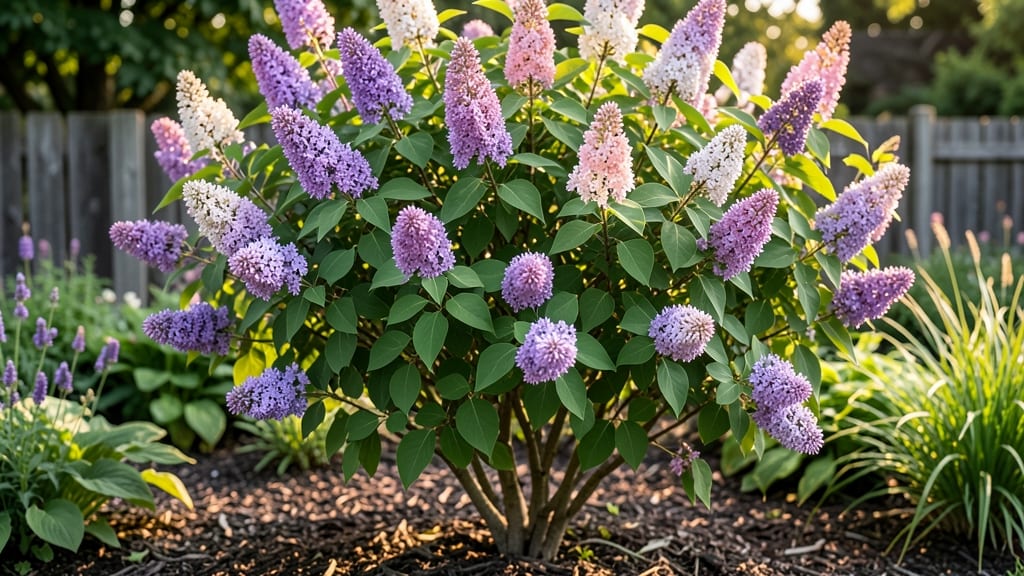
Lilacs in Maine bloom between late May and early June 🌸, when the frost risk finally fades—but the exact timing depends on your microclimate and variety.
If you’ve ever missed that fleeting two-week window of purple perfection, you know how quickly lilacs fade once the heat arrives. Coastal gardens often see blooms 10 days earlier than inland areas, and late frosts can push them into July.
This guide breaks down the frost-resistant schedule for USDA Zone 5b, from early bloomers like 'Katherine Havemeyer' to hardy varieties that thrive in Maine’s short season. You’ll also learn how to extend their fragrance peak and pair them with complementary plants for a showstopping garden.
Ready to plan your lilac season? Discover the best months to plant, prune, and protect them from Maine’s unpredictable spring.
Maine lilac bloom timeline: frost dates & regional variations
Maine’s lilacs are legendary for their hardiness and intoxicating fragrance, but their bloom timing varies dramatically across the state. In USDA Zones 4-5, coastal areas like Bar Harbor often see blooms 1-2 weeks earlier than inland spots like Presque Isle due to milder winters.
Understanding these regional differences helps you predict when your 'Katherine Havemeyer' or 'Dwarf Korean Lilac' will burst into color.
Most Maine lilacs begin budding in late April to early May, with peak fragrance lasting 7-10 days. However, late frosts—common until mid-May—can delay blooms by weeks. Coastal gardens typically enjoy warmer microclimates, while inland areas may experience frost pockets that push blooms later into June.
The average last frost date in Maine ranges from May 1-15, depending on location. Lilacs planted in sheltered, south-facing spots often bloom 10-14 days earlier than those in exposed areas. For example, 'Sybille'—a late bloomer—might not peak until early June in colder inland zones.
| Region | Avg. Bloom Start | Peak Fragrance | Last Frost Risk | Best Varieties |
|---|---|---|---|---|
| Coastal (Zone 5a) | Late April | Early May | May 1-10 | 'Katherine Havemeyer', 'Dwarf Korean' |
| Southern Maine (Zone 5b) | Early May | Mid-May | May 5-15 | 'Miss Kim', 'Purple Plume' |
| Northern Inland (Zone 4a) | Mid-May | Late May | May 15-25 | 'Sybille', 'Mme Lemoine' |
| Highland Areas (Zone 4b) | Late May | Early June | June 1-10 | 'Bloomerang', 'Edith Baldwin' |
If you’re planting new lilacs, fall planting (September-October) gives roots time to establish before winter, often resulting in earlier spring blooms. For example, 'Dwarf Korean Lilac'—a compact variety—typically blooms 2 weeks earlier than standard lilacs because it matures faster in Maine’s climate.
To predict your lilac’s schedule, note the first signs of bud swell in early spring.
Coastal gardeners can expect blooms by May 1-10, while inland areas may not see color until May 15-30. Late frosts after May 15 can damage buds, so consider frost cloth for early bloomers like 'Katherine Havemeyer'.
Maine’s microclimates create dramatic differences even within short distances. A garden in Portland might see lilacs bloom by May 5, while one in Bangor could be delayed until May 20. Elevation also plays a role—highland areas often have 2-3 weeks later blooms due to colder nights.
For extended fragrance, choose varieties with staggered bloom times. Plant 'Sybille' (early) alongside 'Mme Lemoine' (late) to enjoy 6+ weeks of scent. Mulch heavily in late fall to protect roots from winter temperature swings, which can affect next year’s bloom timing.
Pro tip: Track your lilac’s bloom dates for 3 years to identify your garden’s unique pattern. Over time, you’ll recognize when late frosts or early warmth shift the schedule. This local data becomes your best predictor for Maine’s unpredictable spring.
🌸
How to extend lilac blooming season in Maine’s unpredictable climate
Maine’s late spring frosts can cut short your lilac’s fragrant blooming season, but with the right strategies, you can push those vibrant purple blooms into full display. The key lies in frost protection, smart pruning, and selecting hardy varieties that thrive in our USDA Zone 4-5 climate.
Let’s dive into actionable steps to extend your lilac’s show by weeks.
First, timing is critical. Most Maine lilacs bloom between late May and early June, but coastal areas like Bar Harbor may see blooms a week earlier than inland Portland.
To safeguard your lilacs, start by choosing frost-resistant varieties like 'Miss Kim' or 'Purple Plume', which handle Maine’s chill better than traditional types.
🌸 5 Key Strategies to Extend Lilac Blooms
- 1. Prune strategically in late summer (August) to encourage delayed buds that bloom next spring.
- 2. Use frost cloths on late-blooming varieties during May frost warnings.
- 3. Mulch heavily in fall to insulate roots and protect against freeze-thaw cycles.
- 4. Plant near heat-retaining walls to create a microclimate 5°F warmer.
- 5. Water deeply before hard frosts to reduce root stress.
Pruning is where many gardeners go wrong. Never prune in fall—this removes next year’s buds! Instead, prune right after blooming (June-July) to shape your lilac and encourage stronger flower clusters for the following season.
For delayed blooms, try the late-summer pruning trick: cut back 1/3 of the oldest stems in August to stimulate new growth that blooms later.
Maine’s humid summers and late frosts demand extra care. If you’re planting new lilacs, avoid low-lying areas where cold air pools. Instead, place them on south-facing slopes or near stone walls to capture warmth.
For existing lilacs, cover buds with frost cloth when nighttime temps drop below 32°F in May—this can add 2-3 weeks to your bloom time.
Don’t overlook the power of mulching. A 4-inch layer of wood chips in fall insulates roots and regulates soil temperature. Pair this with a light spring fertilizer (like 10-10-10) to jumpstart growth.
For extra fragrance, choose 'Sybille' or 'Mme Lemoine'—both thrive in Maine and reward you with intense, sweet scents.
To track your lilac’s progress, mark bud swell dates in April—this signals bloom timing. In coastal Maine, expect blooms 7-10 days earlier than inland areas. Use a garden journal to note frost dates and adjust your care plan yearly.
With these strategies, you’ll turn Maine’s unpredictable climate into an advantage for longer, more reliable blooms. 🌿