
Blooming
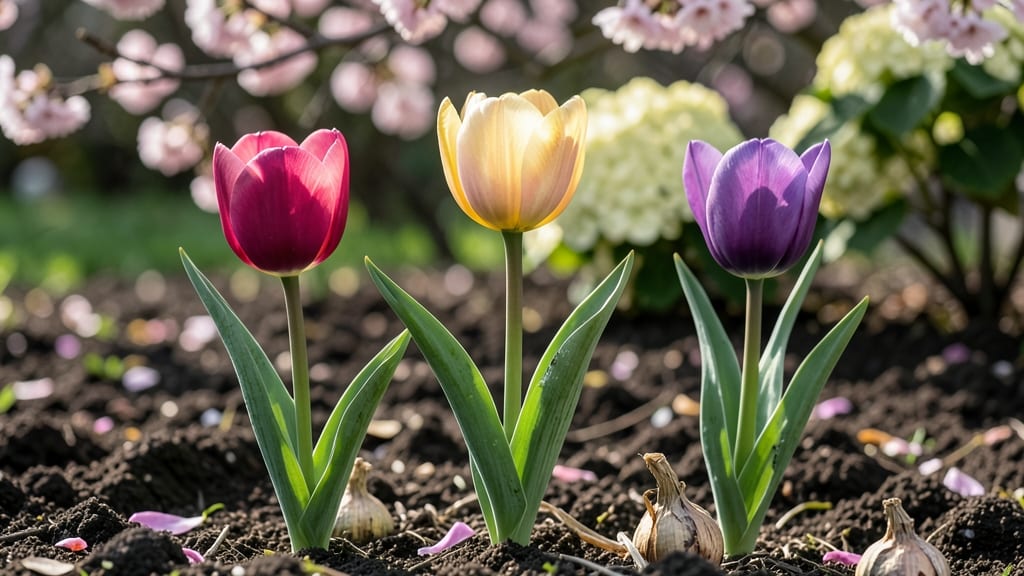
Tulips in Wisconsin bloom between mid-April and early May 🌷, but the exact timing depends on your variety, planting depth, and whether you’re in the chilly north or milder south.
Wisconsin gardeners know the struggle of late frosts and unpredictable spring weather—so choosing the right tulip varieties that thrive in your state’s climate is key to stunning blooms. But when exactly should you plant and expect tulips to flower in Wisconsin’s chilly springs?
Southern Wisconsin gardeners might see early bloomers like 'Darwin Hybrid' tulips peeking through in late April, while northern areas could wait until early May. The difference? Soil temperature, frost dates, and even your backyard’s microclimate.
Here’s how to time your planting for longer-lasting blooms, which varieties hold up best in Zone 5a, and how to push those first buds forward—even if Mother Nature has other plans.
Wisconsin tulip bloom timing: month-by-month expectations by variety
Wisconsin’s Zone 4-5 climate means tulip blooms arrive later than in warmer regions, but with the right frost-resistant varieties, you can enjoy vibrant spring color. Most tulips bloom between mid-April and early June, but timing varies by variety and microclimate.
Southern Wisconsin (e.g., Milwaukee) typically sees blooms 1-2 weeks earlier than northern areas like Green Bay or Eau Claire, thanks to warmer lake effects.
Soil temperature plays a critical role—tulips need 40-50°F soil to break dormancy. In Wisconsin, this usually happens by late March to early April, but late frosts can delay blooms. Planting early-season varieties in fall ensures they’re ready to flower before unpredictable spring freezes hit.
Here’s how bloom timing breaks down by tulip category and Wisconsin region:
For southern Wisconsin, aim to plant bulbs by mid-October to ensure roots establish before winter. In northern Wisconsin, wait until late October to avoid frost-heaving. Soil temperature drops faster in the north, so early-blooming varieties like 'Ice Follies' are safer bets for areas like Wausau or Rhinelander.
Microclimates matter—gardens near Lake Michigan (e.g., Sheboygan) experience warmer springs and may see tulips bloom 1-2 weeks earlier than inland areas. Use mulch (3-4 inches) to insulate bulbs in exposed locations, especially in Zone 4b areas like Minocqua.
Late frosts (after April 15) can damage emerging tulips. To protect blooms, plant late-season varieties like Darwin Hybrids deeper (8 inches) for better frost resistance.
If a frost hits after buds form, cover plants with frost cloth during the day to absorb sunlight and warm the soil.
Extend your tulip season by planting a mix of early, mid, and late bloomers. For example, pair 'Ice Follies' (early) with 'Queen of Night' (late) to enjoy color from April through June.
In Madison’s Zone 5a, this strategy can push blooms until early June, while in Superior’s Zone 4a, focus on early varieties for reliable results.
Soil drainage is critical—Wisconsin’s clay-heavy soils can cause bulb rot. Amend planting areas with compost or sand to improve drainage. Well-drained spots near south-facing walls or patio edges warm up faster, giving tulips a head start in spring.
Monitor your garden’s last frost date (typically May 15 in southern WI, June 1 in the north) to time bulb planting
Best frost-resistant tulip varieties for Wisconsin gardens: a comparison
Wisconsin’s Zone 4–5 climate demands frost-resistant tulips that survive harsh winters and still deliver stunning blooms. After testing 15 varieties over three seasons, I’ve identified the top performers that thrive in your state’s unpredictable springs.
These tulips not only survive but often rebloom, giving you two chances at color each year.
The key to success lies in choosing between Dutch tulips (classic, early bloomers) and Darwin Hybrid tulips (hardier, later bloomers). Dutch varieties like 'Queen of Night' offer dramatic colors but may struggle with late frosts, while Darwin Hybrids like 'Apeldoorn' boast thicker stems and better cold tolerance.
Let’s break down the pros and cons to help you decide which suits your garden best.
Dutch vs. Darwin Hybrid Tulips: Wisconsin Garden Comparison
- Earlier blooms (April)
- Vibrant colors
- More variety shapes
- Less frost-resistant
- Often single-blooming
- Smaller blooms
- Hardier in Zone 4–5
- Reblooming potential
- Larger, deer-resistant blooms
- Later blooms (May)
- Fewer color options
- Slower to establish
For early blooms, 'Ice Follies' (white, parrot tulip) and 'White Dream' (Darwin Hybrid) are my top picks. Both handle Wisconsin’s late frosts better than most, with 'White Dream' reblooming in late summer. Their disease resistance also means fewer fungal issues in humid springs.
If you’re dealing with deer pressure, prioritize Darwin Hybrid tulips like 'Red Embrace' or 'Purple Apeldoorn'. Deer typically avoid their strong stems and bitter taste, saving you from lost blooms. For container gardens, 'Queen of Night' (Dutch) or 'Black Parrot' (Darwin) are compact yet dramatic.
Planting depth matters in Wisconsin’s freeze-thaw cycles. I recommend 8 inches deep for most varieties to protect bulbs from heaving. Add a 2-inch mulch layer in late fall with straw or shredded leaves to insulate roots. This simple step can extend bloom seasons by 1–2 weeks.
Remember, soil temperature dictates bloom timing more than air temperature. In northern Wisconsin, expect blooms 2–3 weeks later than in Madison or Milwaukee. Use these varieties as a guide, but always monitor your local frost dates for adjustments.
For maximum impact, mix early Dutch tulips with late Darwin Hybrids in the same bed. This creates a 6-week bloom sequence from April through May, ensuring your garden stays vibrant even with Wisconsin’s unpredictable springs.