
Blooming
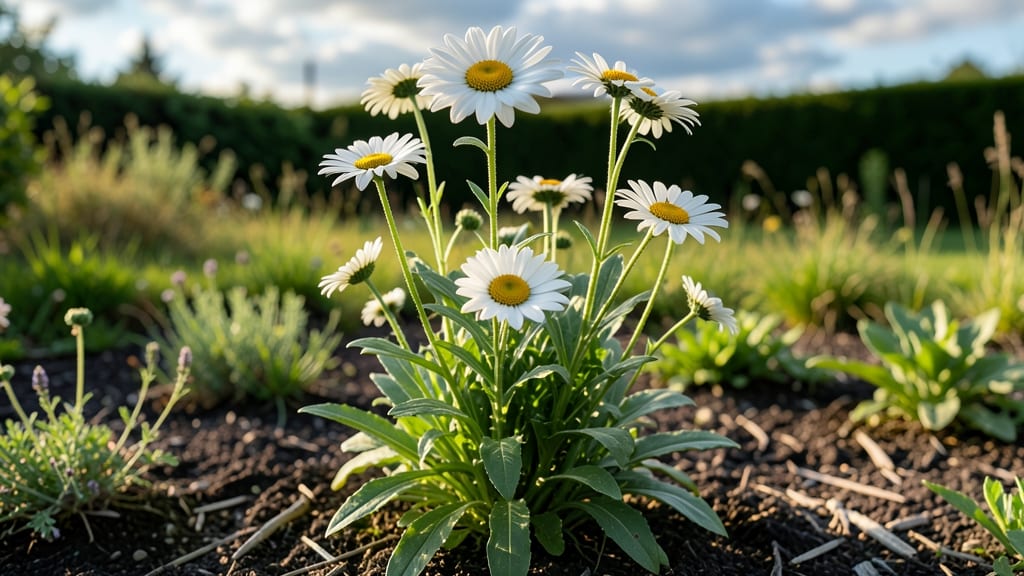
The Shasta daisy bloom time depends entirely on where you live, but if you’re in Zone 6a (like me), those first white-and-yellow stars usually arrive in late May or early June—just in time to steal the show from tulips.
If you’ve ever planted Shasta daisies hoping for a burst of color—only to be met with disappointment when they fail to bloom—you’re not alone. These classic garden stars thrive under specific conditions, and their bloom time varies dramatically depending on your USDA hardiness zone.
For example, gardeners in cooler Zones 3–5 might see their first blooms as early as mid-June, while those in warmer Zones 8–10 could enjoy them starting in April.
Varieties like ‘Becky’ and ‘Alaska’ also play a role, with some reblooming through summer if you give them the right care.
Below, I’ll break down the exact months to expect flowers in your zone, how to coax a second flush of blooms, and the simple tricks (like deadheading) that keep your 🌼 Shasta daisies looking fresh all season long.
Shasta daisy bloom time by USDA hardiness Zone: first flowers calendar
Shasta daisies are famous for their cheerful white blooms and long-lasting beauty, but their bloom timing shifts dramatically across USDA hardiness zones. In Zone 3, you might see first flowers as early as late May, while gardeners in Zone 10 could enjoy blooms starting in February.
Understanding these regional differences helps you plan for peak color and repeat blooms.
Most Shasta daisies follow a 6–8 week window from bud formation to full bloom.
Early varieties like 'Becky' often bloom first, while late-season types like 'Alaska' extend the season into fall. Daylength and temperature are key triggers—cooler zones need more warmth to kickstart flowering, while warmer zones may see staggered blooms.
In Zones 3–4, Shasta daisies often wait until soil warms to 55°F+ before flowering. Planting early varieties like 'Kansas' ensures you see blooms before summer heat arrives. Mulching with straw helps retain warmth and encourages faster bud formation in cooler climates.
Gardeners in Zones 5–6 typically enjoy the longest bloom seasons, with first flowers appearing by mid-May. 'Alaska' and 'Kansas Giant' varieties thrive here, offering 8–10 weeks of continuous blooms if deadheaded regularly. These zones also benefit from second flushes in late summer.
Warmer Zones 7–8 see Shasta daisies bloom as early as April, with some varieties like 'Becky' producing flowers year-round in mild winters. However, heat stress can cause buds to drop—provide afternoon shade during 90°F+ days to preserve blooms.
In Zones 9–10, Shasta daisies may bloom year-round if not winter-killed. 'Alaska' and 'Mary Todd' varieties handle humidity well, but fungal diseases like powdery mildew are a risk. Space plants 2–3 feet apart and water at the base to prevent leaf issues.
To maximize bloom time, plant 3–5 varieties with staggered maturity dates. For example, combine 'Becky' (early), 'Alaska' (mid), and 'Kansas Giant' (late) to create a 3-month-long display. Always deadhead spent blooms within 24 hours to redirect energy to new buds.
Remember, light levels matter too—Shasta daisies need 6+ hours of sun daily. In shadier climates (e.g., Zone 7 forests), blooms may be smaller and fewer. If your garden lacks full sun, opt for dwarf varieties like 'Little Margaret', which tolerate partial shade better.
With the right zone-specific timing and care, your Shasta daisies can transform your garden into a continuous bloom machine—from spring through fall! 🌼
How to extend Shasta daisy bloom time with deadheading and pruning
Shasta daisies naturally produce stunning blooms for 4–6 weeks, but with the right care, you can extend their showy display by months. The secret lies in timely deadheading and strategic pruning—two simple techniques that trick your plants into producing a second flush of flowers.
Whether you're in Zone 5 or Zone 9, these methods work across climates, provided you follow the seasonal timing correctly.
Many gardeners mistakenly assume Shasta daisies bloom once and fade, but this isn’t true. These perennials are heavy rebloomers when given proper care. The key is understanding when to prune—cutting too early or too late can shorten bloom time or even damage the plant.
Let’s break down the exact steps to maximize your daisies’ potential while avoiding common pitfalls like over-fertilizing or neglecting pests.
Step-by-Step Guide to Extending Bloom Time
- 1 Deadhead spent blooms immediately after they fade. Use clean pruning shears to snip the entire flower head (including the brown center) down to the first set of healthy leaves. This prevents seed formation and redirects energy to new buds.
- 2 Prune for a second flush in early summer (around June or July, depending on your zone). Cut back the entire plant by 1/3 to encourage lush regrowth and a second round of blooms. Avoid pruning after mid-summer, as this can delay dormancy prep.
- 3 Fertilize lightly in spring (when new growth appears) and avoid heavy feeding after mid-summer. Over-fertilizing with high-nitrogen products promotes leafy growth over blooms. Use a balanced 10-10-10 fertilizer sparingly—1 tablespoon per plant every 4–6 weeks.
- 4 Monitor for pests like aphids or Japanese beetles, which can stress the plant and reduce blooming. Spray with neem oil or introduce beneficial insects like ladybugs to keep populations in check. Yellowing leaves or stunted growth often signal an infestation.
- 5 Cut back in fall (after first frost) to remove dead foliage and prevent disease. Trim the plant back by half its height and mulch heavily to protect roots during winter. In warmer zones (8–10), a light pruning in late fall suffices.
One of the biggest mistakes gardeners make is waiting too long to deadhead. If you let seed heads form, the plant prioritizes reproduction over blooming, shortening your display.
I’ve seen Shasta daisies bloom for 10+ weeks in my Zone 6 garden simply by deadheading every 3–4 days during peak season. Pair this with regular pruning, and you’ll enjoy two full flushes of those iconic white blooms.
For longer bloom seasons, choose reblooming varieties like ‘Becky’ or ‘Alaska’, which are bred to produce flowers later into fall. These varieties respond even better to consistent deadheading and light pruning.
Just remember: never prune after August in cooler climates, as this can stunt next year’s growth. With these techniques, your Shasta daisies will thrive for months, turning your garden into a showstopper.
🌼