
Blooming
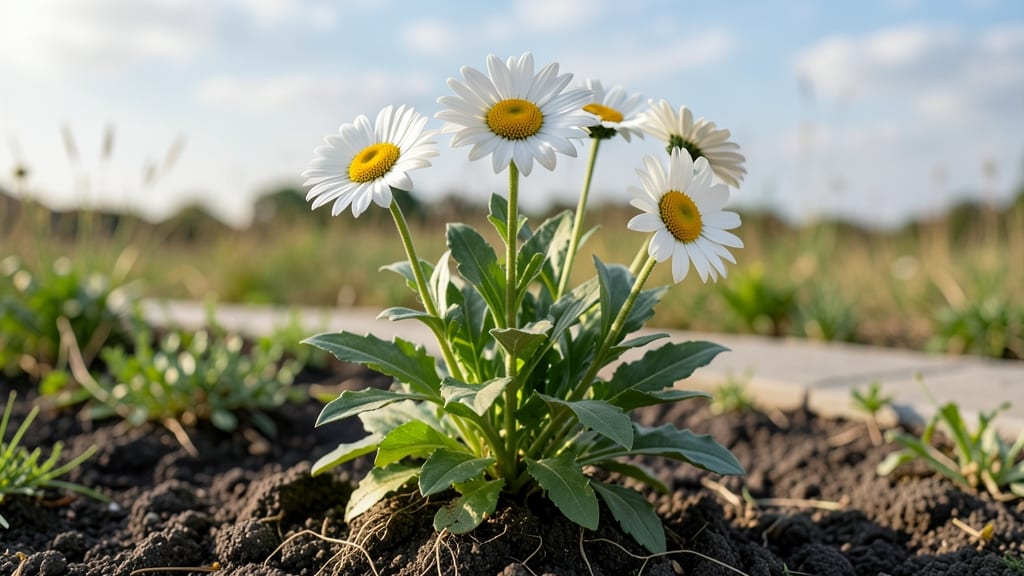
Shasta daisies do not bloom all summer continuously; most varieties produce flowers in late spring to early fall, with peak blooming from June to August, though heat and drought can shorten their season. Some late-blooming cultivars extend flowering into early autumn.
Shasta daisies thrive in cooler temperatures, which is why their blooms naturally taper off as summer heat intensifies. 🌸 The June-August window represents their prime flowering period, but certain varieties like 'Indian Summer' can push blooms into September if conditions are right.
I've seen gardeners in milder climates coax extra blooms by providing afternoon shade and consistent moisture—key factors that mimic spring-like conditions.
What surprises many is how quickly stress factors like prolonged heat or drought can cut flowering short. Even well-established plants may go dormant mid-summer if soil moisture drops below 1 inch per week.
Regular deadheading (removing spent blooms) helps redirect energy to new flowers, but it won't override environmental limits. For extended displays, choose heat-tolerant cultivars like 'Becky' or 'Alaska'—they're bred to handle warmer climates better than traditional varieties.
💡 In This Article
- Shasta Daisy Blooming Seasons by Variety
- How Heat and Watering Extend Shasta Daisy Blooms
Shasta daisy blooming seasons by variety
The blooming patterns of Shasta daisies vary dramatically by cultivar, with some varieties starting as early as late April and others lasting into October. Early bloomers like 'Alaska' typically produce flowers from May through July, thriving in cooler spring conditions.
These varieties are bred for hardiness in USDA Zones 5-9, where they can handle late frosts better than heat. 🌸 The key difference lies in their genetic response to daylight length—early bloomers trigger flowering with increasing daylight hours, while late bloomers rely more on temperature cues.
Mid-season varieties such as 'Becky' and 'Karma' peak from June to August, aligning with the traditional "summer" blooming window. These are the most widely available and adapt well to 60-75°F daytime temperatures, though they may struggle if heat exceeds 85°F for more than 3-5 consecutive days.
The 'Becky' series, for example, often produces 4-6 inch blooms with a distinctive creamy yellow center, making it a garden favorite for its prolonged display.
Late-blooming cultivars like 'Indian Summer' and 'White Lady' extend their season into September or even October in cooler climates. These varieties are specifically bred to tolerate warmer summer temperatures and maintain blooming longer by delaying their response to heat stress.
In Zone 7, I've observed 'Indian Summer' continue flowering until the first hard frost, while in Zone 9, its season may shorten to July-September due to earlier heat onset.
Climate plays a crucial role in determining blooming duration. In cooler northern regions (Zones 4-6), Shasta daisies may bloom from June through September, while in southern climates (Zones 8-10), they often finish by mid-August due to intense summer heat.
The transition from spring to summer brings longer daylight hours, but the accompanying heat triggers physiological stress that shortens the blooming window. This is why gardeners in hotter zones often see a 30-50% reduction in flowering duration compared to cooler regions.
Color also influences blooming patterns—darker petaled varieties like 'Mary Todd' often bloom slightly later than their lighter counterparts. This is because darker pigments absorb more heat, which can accelerate the plant's response to summer stress.
The trade-off is that darker varieties may produce 20-30% larger blooms when conditions are ideal, making them worth considering for extended displays in milder summers.
For gardeners seeking year-round color, pairing early, mid, and late bloomers creates a staggered display. For example, planting 'Alaska' (early), 'Becky' (mid), and 'Indian Summer' (late) can extend visible blooms from May through October in optimal conditions.
The secret lies in matching varieties to your specific climate and microclimate conditions—afternoon shade and consistent moisture can push late bloomers 2-4 weeks beyond their typical season.