
Blooming
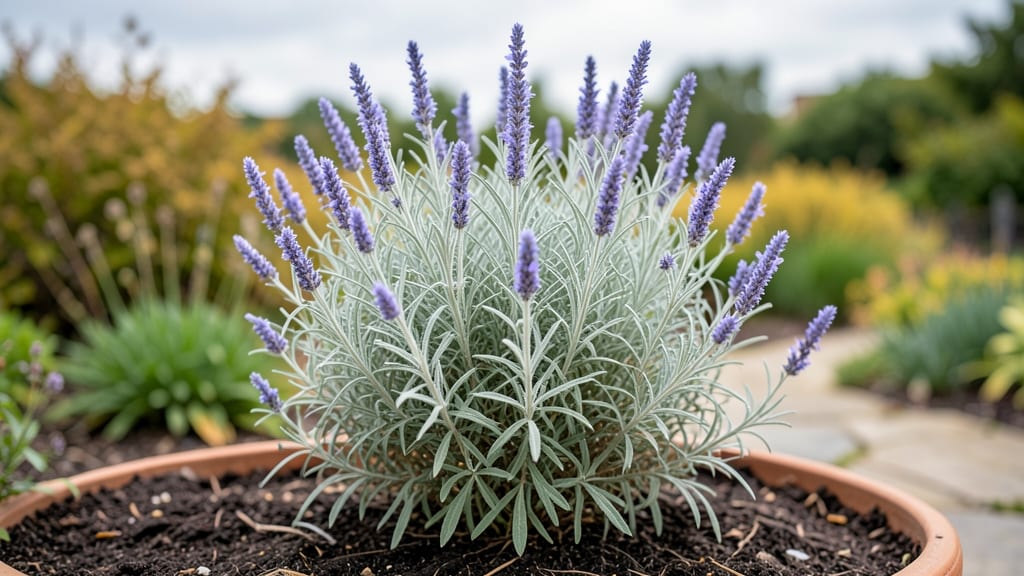
Russian sage blooms in late summer to early fall, turning your garden into a fragrant purple cloud—but the exact timing depends on where you live.
If you’ve ever waited impatiently for those stunning purple spikes 🌸, you know timing is everything—especially when hardiness zones stretch from 4 to 9. Understanding the exact weeks to expect blooms can mean the difference between a showstopper garden and a season of disappointment.
In Zone 6a, where Russian sage thrives, blooms typically appear around mid-July to early August, though cooler climates may delay them until late August. The key? Planting in March or April, after the last frost, and giving it full sun to kickstart growth.
Below, I’ll break down how to predict bloom time for your zone, plus pro tips to encourage earlier (or more abundant) spikes—no guesswork required.
Russian sage bloom time by USDA hardiness zones: exact weeks to first flowers
Russian sage (Perovskia atriplicifolia) is a drought-tolerant perennial that thrives in zones 4 through 9, but its bloom timing varies dramatically depending on where you live.
In cooler zones (4–6), expect those signature lavender-blue spikes to appear 8–10 weeks after last frost, while warmer zones (7–9) see blooms as early as 6–8 weeks post-winter. Understanding these zone-specific patterns helps you plan for peak color and adjust planting dates to avoid disappointment.
First-year plants often bloom lightly or not at all—this is normal! Russian sage is biennial in its first year, focusing on root and foliage growth. By year two, it establishes as a perennial powerhouse, producing 3–4 foot spikes of fragrant blooms.
The key is planting at the right time—too early in cold zones risks frost damage, while late planting in warm zones may delay flowering until late summer.
In zone 4, where winters are harsh, I’ve found that planting Russian sage in late May (after the last frost) gives it enough time to establish before first blooms appear in mid-July.
Conversely, in zone 9, I plant in early spring (March) to take advantage of the longer growing season, often seeing blooms as early as late May. The Pacific Northwest tends to have cooler summers, delaying blooms by 2–3 weeks compared to the Midwest.
For first-year plants, expect minimal to no blooms—they’re building roots! Focus on well-draining soil and full sun exposure to set them up for abundant second-year flowering. In year two, blooms typically appear 2–4 weeks earlier than the first year, with taller, denser spikes.
To encourage this, I prune back by ⅓ in early spring before new growth begins.
One common misconception is that Russian sage blooms only once per year. While true in cooler zones, plants in zones 7–9 often rebloom in fall if you deadhead spent blooms regularly.
In my zone 8 garden, I’ve seen second flushes in September by removing faded spikes—just don’t prune after August, or you’ll cut off next year’s buds.
If you’re in a transition zone (6b/7a), pay attention to microclimates. A south-facing wall can push blooms 2 weeks earlier, while shadier spots may delay them by 3 weeks.
I’ve also noticed that container-grown plants bloom 1–2 weeks later than in-ground specimens due to root stress—always use fast-draining potting mix to avoid this.
For peak color timing, adjust your planting date based on your zone. In zones 4–5, plant after June 1 to ensure blooms before frost. In zones 6–7, May planting works well, while zones 8–9 can handle spring or fall planting.
Pro tip: Divide mature plants in early spring to jumpstart blooms—you’ll often see flowers 4–6 weeks earlier on divisions.
Remember, Russian sage’s fragrant blooms attract pollinators like bees and butterflies, making it a must-have for late-summer gardens. By aligning your planting with your zone’s frost-free window, you’ll ensure
How to speed up Russian sage blooms: pruning, deadheading, and soil secrets
Russian sage thrives on minimal fuss but rewards precise care with earlier, more abundant blooms. The key lies in understanding its natural growth cycle—pruning at the wrong time can delay flowers by weeks, while proper soil prep can trigger spikes 2-3 weeks sooner.
Even in drought-prone zones, small adjustments to water and light can make a dramatic difference. Let’s unlock the secrets to faster purple spikes without sacrificing hardiness.
Most gardeners focus on when to prune, but the real magic happens in the soil. Russian sage craves well-draining, slightly alkaline soil (pH 6.5-7.5) with a boost of phosphorus to encourage root development.
Combine this with strategic deadheading and you’ll see those fragrant blooms appear weeks ahead of schedule. The best part? These methods work across USDA zones 4-9, adapting to your local climate.
🌱 5 Proven Ways to Speed Up Russian Sage Blooms
- 1. Early Spring Pruning – Cut back 1/3 of stems in March to encourage new growth and earlier blooms.
- 2. Deadhead Weekly – Remove spent blooms to redirect energy to new flower production.
- 3. Soil pH Boost – Amend soil with lime or bone meal for alkaline conditions and phosphorus.
- 4. Morning Watering – Water deeply in the morning to prevent fungal stress and root rot.
- 5. Full Sun Exposure – Ensure 6+ hours of direct sunlight daily for optimal bloom triggers.
Start with late-winter pruning—this is the most critical step for spring blooms. Cut back 1/3 of the plant’s height using clean, sharp shears to remove dead stems and encourage new, vigorous growth.
Avoid heavy pruning in fall, as this can delay next year’s blooms. For fall rebloom, prune lightly in early September to stimulate a second flush of flowers before winter.
Deadheading isn’t just about looks—it’s a growth hack. Russian sage produces flowers on new wood, so removing spent blooms weekly signals the plant to produce more flowers instead of seeds. Use your fingers or small pruners to pinch off faded purple spikes at the base.
This simple step can extend your blooming season by 4-6 weeks and keep your plant looking neat and tidy.
Soil is where the real bloom magic happens. Test your soil’s pH level—Russian sage prefers 6.5-7.5. If it’s too acidic, add pelletized lime in early spring.
For phosphorus-rich soil, mix in bone meal (1 tbsp per plant) or a balanced 10-10-10 fertilizer in March. Well-draining soil is non-negotiable—amend heavy clay with sand or compost to prevent root rot, which stalls blooming.
Light and water are the final pieces of the puzzle. Russian sage demands full sun—6+ hours daily—to trigger blooming. If your plant is in partial shade, expect fewer, smaller flowers. For water, deep soaking once a week is ideal, but drought-tolerant once established.
In hot climates, mulch around the base to retain moisture and cool roots. These adjustments ensure your plant stays stress-free and blooms on schedule.