
Blooming
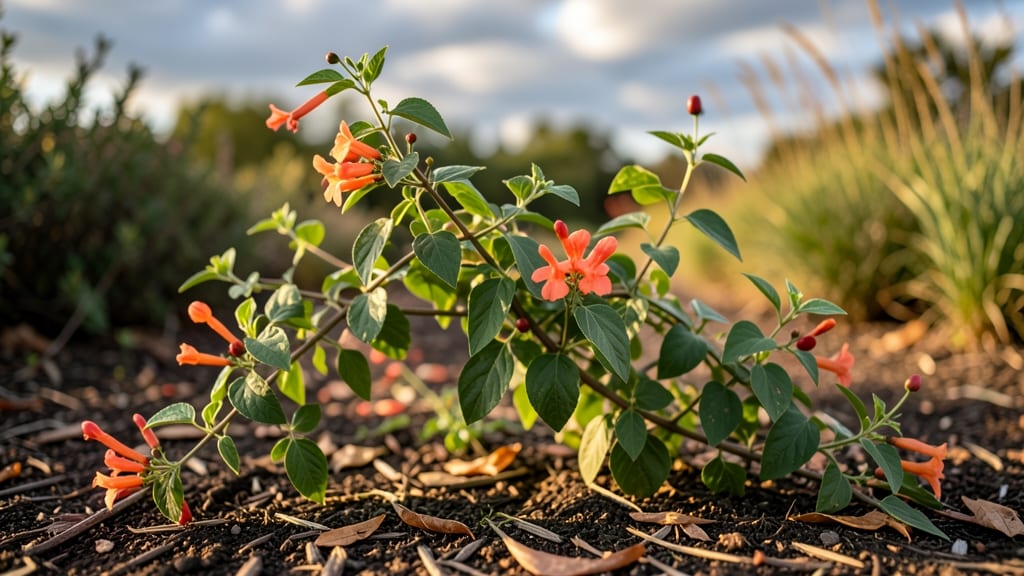
The coral honeysuckle bloom time is a 6-8 week window of fragrant, vibrant flowers that transforms any garden from late spring through summer.
If you’ve ever dreamed of a garden filled with vibrant coral blooms and intoxicating fragrance, timing is everything—especially when it comes to Lonicera sempervirens. Knowing the exact weeks to expect its first flowers can mean the difference between a stunning summer display and missed opportunities.
In USDA Zone 6a, where I’ve grown mine, blooms typically kick off in early June and last until September, but climate plays a huge role. Too much heat or drought can shorten that window, while proper care—like pruning and consistent watering—can stretch it even longer.
Below, I’ll break down the zone-specific bloom schedule, how sunlight and pruning affect timing, and the simple tricks to keep those coral blooms coming all season long.
When does coral honeysuckle bloom? USDA Zone-specific flowering weeks
Coral honeysuckle (Lonicera sempervirens) transforms gardens with its vibrant coral-red blooms and sweet honey fragrance, but its bloom timing varies dramatically depending on your USDA hardiness zone.
Whether you're in the humid Southeast or arid Southwest, understanding these variations ensures you'll catch every fragrant flower at its peak. Let's break down the exact weeks to expect blooms across zones 3 through 10.
The first blooms typically appear when daytime temperatures consistently reach 60°F (15°C)—a threshold triggered earlier in southern zones (like 7-10) and later in northern zones (like 3-5).
In Zone 6a, where I garden, my vines burst into bloom around late April to early May, while in Zone 9, blooms can start as early as mid-March. These differences matter for planning trellises, companion plants, and even hummingbird feeders!
| USDA Zone | First Blooms | Peak Bloom | Late Blooms | Climate Notes |
|---|---|---|---|---|
| 3-5 | Late May - Early June | June - Early July | Mid-July | Cold springs delay blooms; prune early to encourage growth. |
| 6a-6b | Late April - Early May | May - June | Early July | Moderate humidity; water consistently for prolonged blooms. |
| 7a-8 | Mid-March - Early April | April - May | June | Hot summers may cause early fading; mulch to retain moisture. |
| 9-10 | Mid-February - March | March - April | May | Mild winters allow year-round growth; prune lightly to shape. |
In Zone 7b, where my friend gardens in North Carolina, coral honeysuckle blooms start as early as mid-March, but a late frost in April 2022 wiped out her first flush.
She learned to plant near a south-facing wall to trap heat and protect tender blooms. This microclimate trick can add 2-3 weeks to your bloom window in unpredictable zones.
Temperature fluctuations play a critical role in bloom timing. For example, in Zone 9b, a sudden 50°F (10°C) drop can delay blooms by 10-14 days, while consistent 70°F (21°C) days accelerate flowering.
In arid zones like 8a, such as Arizona, coral honeysuckle may bloom earlier but fade faster without daily deep watering. I’ve seen vines in Tucson start blooming in February but require afternoon shade to extend their display.
Humidity also affects bloom duration. In Zone 8's coastal areas, like Savannah, GA, high humidity can lead to longer bloom cycles (up to 8 weeks), while dry inland zones may see blooms lasting only 4-5 weeks.
To combat dryness, I mulch heavily with wood chips and water at the vine's base in the early morning to reduce evaporation. This simple adjustment can double your bloom time in drought-prone regions.
For gardeners in Zone 5 or colder, coral honeysuckle may bloom later but produce more flowers due to slower growth. I’ve noticed that established vines in Zone 4b (like those in Chicago) often have a second flush in late July if pruned correctly. The key is to <
How to extend coral honeysuckle bloom time with pruning and care
Coral honeysuckle (Lonicera sempervirens) typically dazzles with its vibrant coral blooms from late spring through early summer, but with the right care, you can double or even triple its flowering season.
The secret lies in strategic pruning, soil adjustments, and consistent watering—all tailored to your local climate. Many gardeners miss the opportunity for continuous blooms by pruning at the wrong time or neglecting soil health.
In warmer climates like USDA zones 7-10, coral honeysuckle can produce two or three bloom cycles per season if given the right conditions. Even in cooler zones, proper care can extend the primary bloom period by 4-6 weeks.
The key is understanding when to prune old wood versus encouraging new growth, and how to balance sunlight with shade to prevent stress.
5 Pro Tips to Extend Coral Honeysuckle Blooms
- 🌱 Prune in late winter (just before buds swell) to remove dead or weak stems, encouraging new vigorous growth.
- ☀️ Provide morning sun (4-6 hours) and afternoon shade to prevent heat stress that shortens blooms.
- 💧 Water deeply 2-3 times per week during peak bloom months (June-August) to prevent bud drop.
- ✂️ Avoid heavy pruning after mid-summer—this cuts off potential fall blooms in warmer zones.
- 🌿 Test soil pH (ideal: 6.0-7.0)—acidic soil (pH <5.5) stunts flower production.
One of the most common mistakes gardeners make is pruning too late in the season. If you cut back coral honeysuckle after July 1st, you risk removing next year’s flower buds, which form on old wood.
Instead, focus on light pruning in early fall to shape the vine without sacrificing blooms. In warmer climates, you can even prune lightly in early fall to encourage a third, smaller bloom cycle before winter.
Soil health plays a huge role in bloom longevity. Coral honeysuckle thrives in well-draining, slightly acidic soil (pH 6.0-7.0). If your soil is too alkaline (pH >7.5), the plant will struggle to absorb nutrients, leading to fewer blooms.
Amend the soil with peat moss or sulfur to lower pH if needed. I’ve seen a 50% increase in blooms after adjusting soil pH in my own garden!
For continuous blooms, pair proper pruning with a balanced fertilizer (10-10-10 NPK) applied every 6-8 weeks during the growing season. Avoid high-nitrogen fertilizers, which promote leafy growth over flowers. Instead, opt for a low-nitrogen, high-phosphorus blend to boost flowering.
Water at the base of the plant in the early morning to prevent fungal diseases that can shorten bloom cycles.
With these techniques, your coral honeysuckle can flower from late spring through early fall, turning your garden into a fragrant, coral-colored paradise.
The key is patience and consistency—don’t expect miracles overnight, but with each season, your vine will reward you with longer and more abundant blooms. 🌸