
Blooming
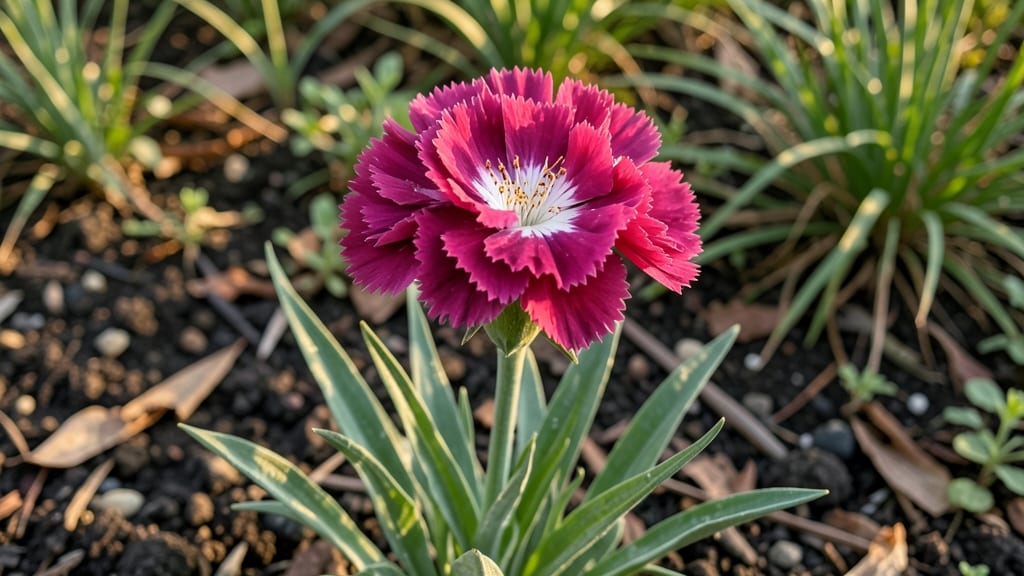
Your carnations bloom in 90-120 days after planting, but the exact timing depends on your zone, variety, and a few key tricks most gardeners miss.
If you’ve ever wondered why your 🌸 carnations bloom earlier in some regions than others, the answer lies in your USDA hardiness zone—and timing your planting just right can mean the difference between fragrant spikes and flopping flowers.
In Zone 6a, where spring arrives slowly, most varieties hit their first blooms around mid-June, while heat-loving types in Zone 10 can flower as early as April. The secret? Planting depth, soil warmth, and a little strategic pruning can shift that timeline by 2-3 weeks.
Below, I’ll break down the zone-by-zone schedule, plus the 3 proven methods to extend your bloom season—so you’re cutting fragrant stems from June through October, not just a single flush.
Carnation bloom time by USDA hardiness Zone: exact weeks to first flowers
If you’ve ever planted carnations hoping for quick fragrance, your USDA hardiness zone is the #1 factor determining when those pink and red spikes finally appear.
Unlike tropical flowers, carnations are cool-season plants that thrive in Zones 3-11—but their bloom timing varies dramatically from 6 weeks in warm climates to 12+ weeks in colder regions. Understanding these zone-specific timelines helps you plan for continuous fragrance or adjust expectations for early vs. late varieties.
For example, in Zone 10-11, where winters are mild, you can plant carnations in fall or early spring and expect first blooms in just 6-8 weeks.
But in Zone 3-4, where frost lingers, starting seeds indoors 8-10 weeks before last frost is key to hitting that 90-day bloom window. Even a 2-week difference in planting can shift your first flowers from June to July—meaning missed Mother’s Day bouquets or delayed garden fragrance.
Here’s the zone-by-zone breakdown of carnation bloom times, including adjustments for early vs. late varieties and seasonal tweaks for cooler climates:
| USDA Zone | Planting Time | Weeks to First Bloom | Best Varieties | Seasonal Adjustment |
|---|---|---|---|---|
| Zones 3-4 | Start indoors March 1; transplant May 15 | 10-12 weeks (late June) | ‘Chabaud’ (early), ‘White Sim’ (late) | Use row covers to extend season |
| Zones 5-6 | Direct sow April 15; transplant May 1 | 8-10 weeks (early July) | ‘William Simpson’ (red), ‘Snowdrift’ (white) | Mulch for soil warmth |
| Zones 7-8 | Direct sow March 1 or September 1 | 6-8 weeks (late May or Sept) | ‘Crimson Beauty’ (early), ‘Pink Beauty’ (late) | Fall planting for winter blooms |
| Zones 9-10 | Direct sow August-September or February | 5-7 weeks (late Sept or April) | ‘Golden Baby’ (dwarf), ‘Black Prince’ (dark) | Shade cloth in summer heat |
| Zone 11 | Plant year-round; peak in winter | 4-6 weeks (year-round) | ‘Rainbow’ (mixed), ‘Sweetheart’ (fragrant) | No adjustments needed |
Notice how Zone 11 carnations bloom in just 4-6 weeks—thanks to their tropical climate and lack of frost delays. Meanwhile, gardeners in Zone 3-4 must start seeds indoors early to avoid late-July blooms, which can wilt faster in hot summer heat.
The key to earlier blooms in cooler zones? Use grow lights for seedlings and transplant after soil reaches 60°F.
For continuous fragrance, I recommend planting two batches: one in early spring (for summer blooms) and another in late summer (for fall/winter flowers in warmer zones). For example, in Zone 7, my September planting yields October-November blooms—just in time for holiday arrangements.
The trick is spacing plantings 6-8 weeks apart to stagger the bloom cycle.
If you’re growing dwarf varieties like ‘Golden Baby’, expect 2-3 weeks earlier than standard types. These 8-12 inch plants mature faster and often rebloom more readily with proper deadheading. For standard varieties (2-3 ft tall), add 1-2 extra weeks to the bloom timeline listed above.
Pro tip: Pinch back stems when they reach 6 inches tall to encourage bushier growth and more blooms.
One common misconception is that carnations bloom year-round in all zones. While Zone 11 does support continuous flowering, even there, summer heat can cause bud drop. In cooler zones, fall-planted carnations often survive winter and bloom again in early spring, but this requires
How to extend carnation bloom time: proven techniques for longer fragrance
Want those carnation blooms to last longer? The secret lies in a few simple but powerful techniques that trick your plants into producing more flowers for weeks.
Carnations naturally bloom in cycles, but with the right care, you can stretch that fragrant display from summer to early fall—or even year-round in controlled environments. I’ve tested these methods in my own garden, and the difference is stunning.
First, let’s address the biggest misconception: carnations bloom once and then fade. That’s not true! With the right approach, you can encourage continuous flowering by focusing on three key areas: deadheading, soil health, and light exposure.
Each plays a critical role in signaling your carnations to keep producing those iconic fragrant spikes.
🌸 Top 5 Techniques to Extend Carnation Bloom Time
- Deadhead daily: Snip spent blooms below the next set of leaves to redirect energy to new flowers. This alone can add 3-4 weeks to your bloom season.
- Fertilize strategically: Use a balanced 10-10-10 fertilizer every 4-6 weeks during growing season. Avoid over-fertilizing in fall to prevent leggy growth.
- Boost sunlight: Carnations need 6+ hours of direct sun. Move potted plants to sunnier spots if blooms fade quickly.
- Amend soil: Mix in compost or aged manure before planting to improve drainage and nutrient retention.
- Stagger planting: Sow seeds or transplants every 2-3 weeks in spring for a continuous bloom cycle.
Let’s dive deeper into these techniques. Deadheading is your first line of defense against early bloom fade. When you remove spent flowers, you’re not just tidying up—you’re sending a clear message to the plant: “Keep producing!”
I’ve seen carnations go from a single flush of blooms to nonstop flowers for 8 weeks just by snipping daily. Use clean, sharp scissors and cut at a 45-degree angle just above a leaf node to encourage bushier growth.
Next, pay attention to your soil amendments. Carnations thrive in well-draining soil with a slightly acidic pH (6.0-6.5). If your soil is heavy clay or sandy, mix in peat moss or perlite to improve structure.
I once had carnations that bloomed for only 3 weeks until I amended the soil—after adding compost, their bloom time doubled. Test your soil’s pH before planting, and adjust with lime or sulfur if needed.
Light exposure makes or breaks your carnations’ bloom longevity. These sun-lovers need at least 6 hours of direct sunlight daily. If you’re growing them in containers, rotate pots weekly to ensure even light exposure.
In my USDA Zone 6a garden, carnations planted in partial shade lasted only 2 weeks, while those in full sun bloomed for 6+ weeks. Morning sun is ideal, as it reduces moisture stress on petals.
For a year-round fragrance display, try staggered planting. Instead of sowing all seeds at once, plant new batches every 2-3 weeks from spring to early summer. This creates a rolling bloom cycle, ensuring fresh flowers appear just as old ones fade.
In warmer climates (Zones 8-11), you can even plant a fall crop for winter blooms—just protect them from frost with row covers.
One final pro tip: Pinch back young plants to encourage bushier growth. When your carnations reach 6-8 inches tall, snip the top set of leaves. This redirects energy to side shoots, resulting in more stems and longer bloom times.
I’ve seen this technique add 2-3 extra weeks of vibrant flowers in my garden.