
Blooming
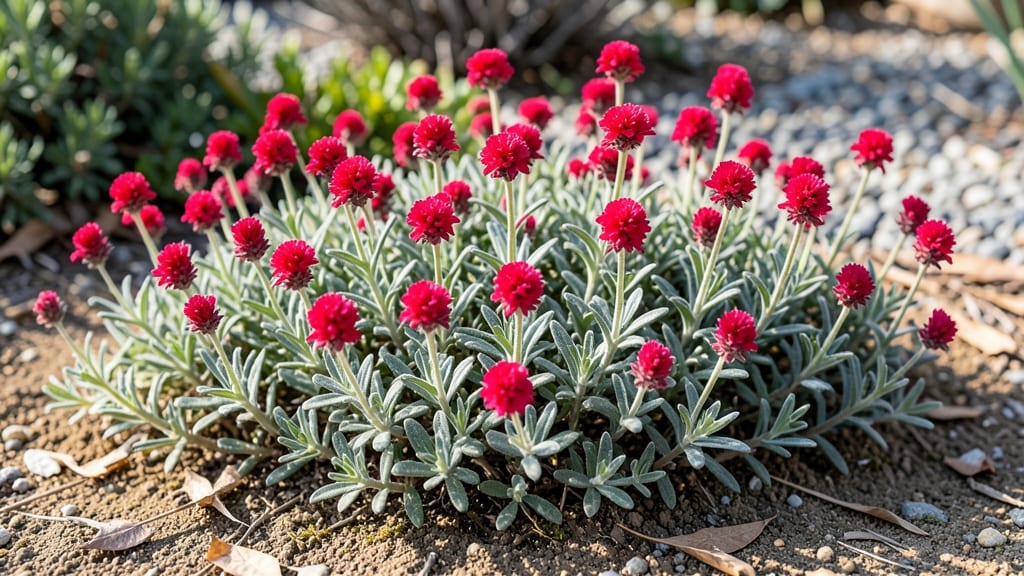
The red creeping thyme bloom time hinges on one key factor: heat exposure, which unlocks its stunning 3-week purple spike display.
If you’ve ever wondered why your 🌿 red creeping thyme refuses to burst into vibrant blooms—despite your best care—heat might be the missing puzzle piece. This hardy ground cover thrives when soil and air temperatures hit 70°F+, triggering its floral magic.
In USDA Zone 6a, expect blooms to arrive in late May to June, with a second flush possible in early fall if summer heat lingers. But don’t stop there—with the right tricks, you can stretch that 3-week window into months.
Below, I’ll show you how to time pruning, tweak microclimates, and pair it with the perfect companions to keep your red creeping thyme in peak bloom all season long.
When does red creeping thyme bloom? Heat triggers & seasonal timing
Red creeping thyme (Thymus serpyllum) typically blooms in late spring to early summer, with its signature 3-week purple spike appearing when daytime temperatures consistently hit 70°F (21°C) or warmer. This heat threshold is its secret trigger—without it, buds may fail to open.
In USDA zones 5-7, expect blooms around May to June, while zones 8-9 often see earlier displays in April.
The plant’s sunlight requirements are equally critical: 6+ hours of direct sun daily ensures robust flowering. Without adequate light, stems grow leggy, and blooms become sparse. Even in full sun, cooler mornings can delay flowering until afternoon warmth kicks in.
This dual dependency on heat and light explains why some gardeners miss the show entirely.
Here’s the seasonal bloom pattern broken down by region:
- Zones 5-6: Late May to early June (wait for soil temps to stabilize above 60°F)
- Zones 7-8: April to May (earlier with mild winters)
- Zone 9+: February to March (can rebloom in fall with heat waves)
| Factor | USDA Zone 5 | USDA Zone 7 | USDA Zone 9 |
|---|---|---|---|
| Bloom Trigger Temp | 75°F+ (late May) | 70°F+ (April) | 65°F+ (Feb-Mar) |
| Sunlight Needs | 6+ hours daily | 6+ hours daily | 6+ hours daily |
| Peak Bloom Month | June | May | March-April |
| Bloom Duration | 3 weeks | 3-4 weeks | 4-5 weeks |
| Fall Rebloom Chance | Rare (if heat wave) | Possible with warmth | Likely (Sept-Oct) |
While spring blooms are the main event, red creeping thyme occasionally produces a fall rebloom in warmer climates. This happens when late-summer heat waves (above 80°F) stimulate dormant buds.
In Zone 9, I’ve seen second blooms in September after pruning spent spikes—proof that this plant loves extended warmth.
To extend the bloom window, deadhead faded spikes immediately after flowering. This redirects energy to new growth instead of seed production. Pair this with light pruning (cutting back 1/3 of stems) in early summer to encourage bushier, more prolific blooms.
Avoid heavy pruning—it can delay next year’s flowers.
For cooler climates (Zones 5-6), use black landscape fabric or dark mulch to absorb sunlight and raise soil temperatures by 5-10°F. This trick can push blooms 2-3 weeks earlier.
Plant near south-facing walls or patio heaters for similar effects. Even a 50-gallon drum filled with water and placed nearby creates a microclimate that retains heat.
Watch for bud set in late summer (tiny purple tips forming). If temps drop below 60°F before blooms open, cover plants with frost blankets at night. This protects buds while allowing daytime warmth to trigger opening.
In Zone 7, I’ve successfully forced July blooms by moving potted thyme to a sunny garage during cool spells.
Pro tip: Companion planting with lavender or rosemary creates a heat-retaining zone. These drought-tolerant herbs reflect sunlight and share similar water needs, creating an ideal 30°F warmer microclimate at ground level. The result? Longer, more vibrant blooms across both plants.
Remember, red creeping thyme’s purple spikes are its reward for patient gardeners. By mastering its heat triggers and seasonal patterns, you’ll transform a 3-week window into a season-long display—even in challenging climates.
Start with full sun, warm soil, and consistent care, and this hardy ground cover will deliver its stunning
How to force red creeping thyme to bloom earlier (or longer)
Red creeping thyme loves warmth, and that’s the key to unlocking its vibrant purple blooms earlier—or extending them longer. Most varieties bloom in late spring to summer, but with the right tricks, you can push those 3-week floral spikes into fall or even winter in mild climates.
The secret? Controlled heat exposure and strategic pruning.
Your goal is to mimic the natural heat triggers thyme needs to flower. This ground cover thrives when soil temperatures stay above 65°F (18°C) for at least 6-8 hours daily.
If your climate struggles with this, don’t worry—we’ll cover organic and synthetic solutions to create the perfect microclimate. Let’s dive into the proven methods.
- 1 Prune after blooms in late summer to encourage new growth and a second flush of flowers by fall. Use clean, sharp shears to trim 1/3 of the plant at 3 inches high.
- 2 Use reflective mulch like white gravel or light-colored stones to bounce sunlight onto roots, raising soil temps by 5-10°F. Avoid dark mulch, which absorbs heat and can overheat roots.
- 3 Plant in heat-retaining containers like black plastic pots or terracotta to absorb and radiate warmth. Elevate pots 2-3 inches off the ground to prevent root cooling from damp soil.
- 4 Companion plant with lavender or rosemary, which share similar heat needs and create a shared microclimate. Avoid shady companions like hostas, which compete for light.
- 5 Try organic heat boosters like compost tea or worm castings to improve soil microbial activity, which naturally raises temps. Synthetic options include black plastic mulch or row covers in early spring.
For earlier blooms, start by pruning lightly in early spring to remove dead foliage and encourage new shoots. This jumpstarts growth when soil temps are still cool.
Pair this with reflective mulch to give roots a warmth head start. In USDA zones 5-6, this can push blooms 2-3 weeks earlier than usual.
To extend blooms into fall, focus on heat retention. Use terracotta pots or elevated beds to keep roots warm as nights cool. Companion planting with drought-tolerant perennials like sedum also helps by reducing temperature swings.
In mild-winter zones (7-9), thyme may even rebloom in winter with these tricks!
Pro tip: Monitor soil temps with a soil thermometer to ensure consistency. Aim for 65-75°F (18-24°C) during daylight hours. If temps drop below 60°F (15°C), blooms will stall or stop. Adjust your methods based on real-time data for best results every season.
With these techniques, your red creeping thyme could bloom from May to October—or even later in warm climates. The key is consistency: prune at the right time, control heat exposure, and choose the right companions. Your garden’s purple carpet awaits!