
Blooming
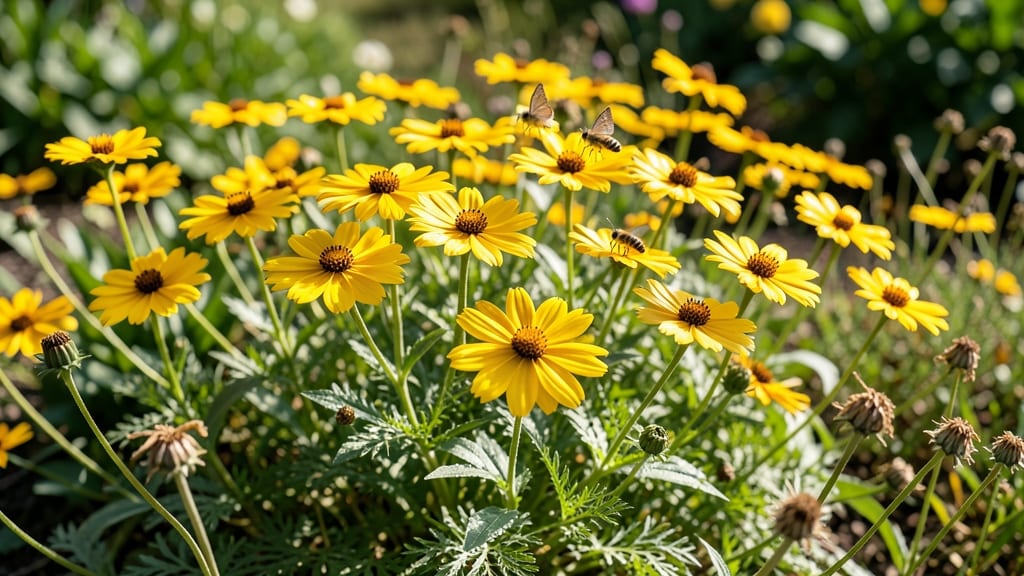
Want vibrant, low-maintenance color that thrives all summer without demanding constant care? These sun-loving ground cover perennials spread effortlessly while attracting pollinators and suppressing weeds naturally. Perfect for borders, slopes, or under trees.
Creeping Thyme with Lavender Blooms
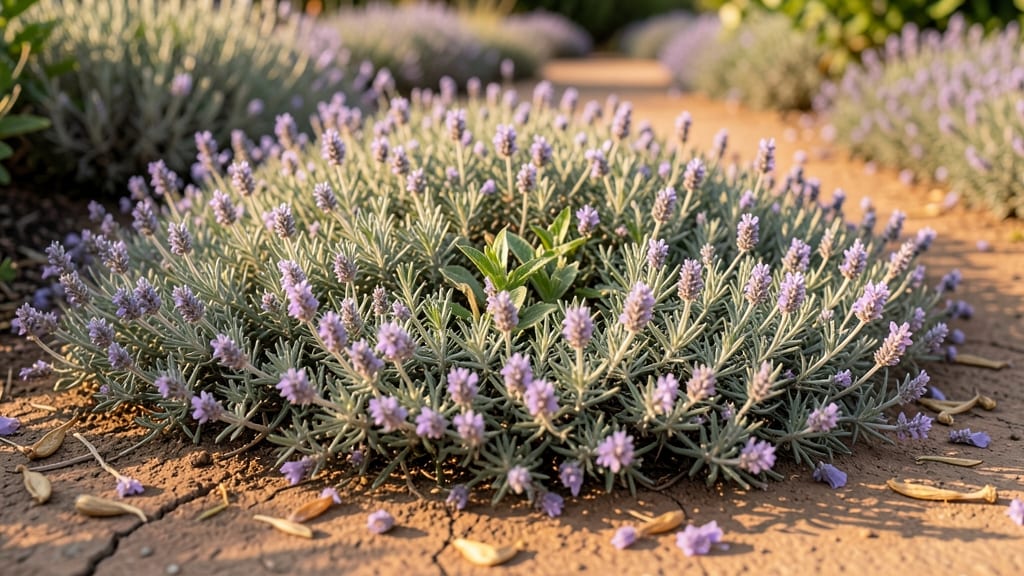
Tired of fighting weeds and watering thirsty plants? Creeping thyme with its delicate lavender blooms is the secret weapon for sunny walkways—it spreads effortlessly while crowding out weeds and repelling pests like ants and slugs with its strong scent.
This drought-resistant ground cover thrives in full sun to partial shade and tolerates poor, rocky soil where most plants would struggle. Simply plant cuttings 6-12 inches apart in spring, water lightly until established, and enjoy year-round green with summer blooms that attract bees. Its woody stems create a soft, carpet-like texture perfect for herb gardens or between stepping stones.
Herb gardeners and urban gardeners will love how creeping thyme doubles as a living mulch—reducing water needs by up to 70% while adding fragrance underfoot. 🌿
Coral Bells (Heuchera) Varieties
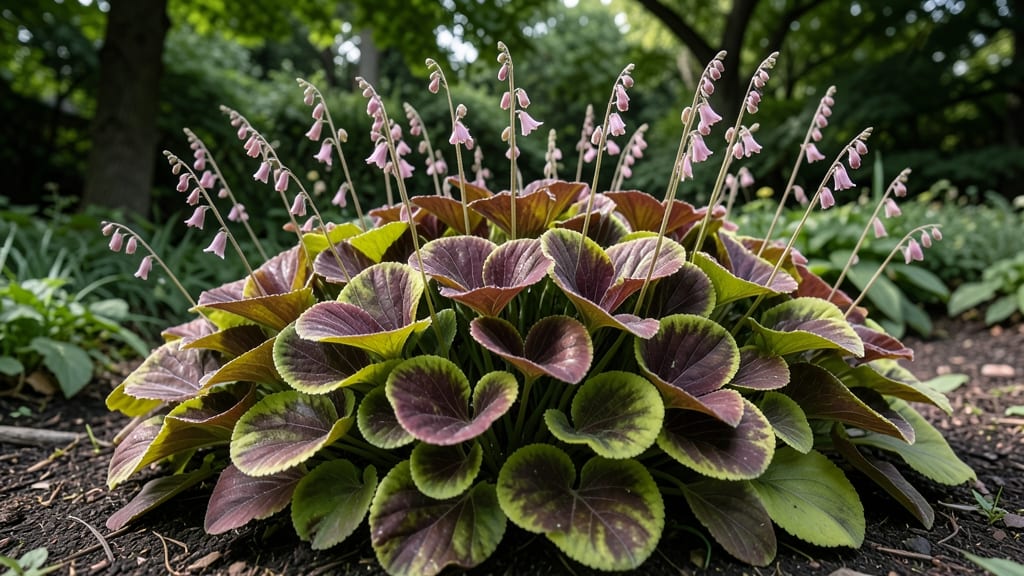
If you love plants that deliver drama without the fuss, coral bells (Heuchera) are your secret weapon. Their striking foliage comes in every shade from lime green to deep burgundy, while delicate flower spikes add unexpected height and texture—perfect for brightening shady corners or elevating containers.
These perennials thrive in partial to full shade, making them ideal for under trees or north-facing beds where other plants struggle. Varieties like ‘Palace Purple’ or ‘Lime Rickey’ offer year-round interest, with foliage that stays vibrant even in winter. Water moderately—once a week is plenty—and mulch to retain moisture. They’re also deer-resistant, so you can relax knowing they won’t become a snack.
Urban gardeners and small-space growers will love how coral bells fit into tight spots, while their low-maintenance nature makes them perfect for busy pollinators who want beauty without the upkeep. 🌿
Ajuga (Bugleweed) with Blue Flower Spikes
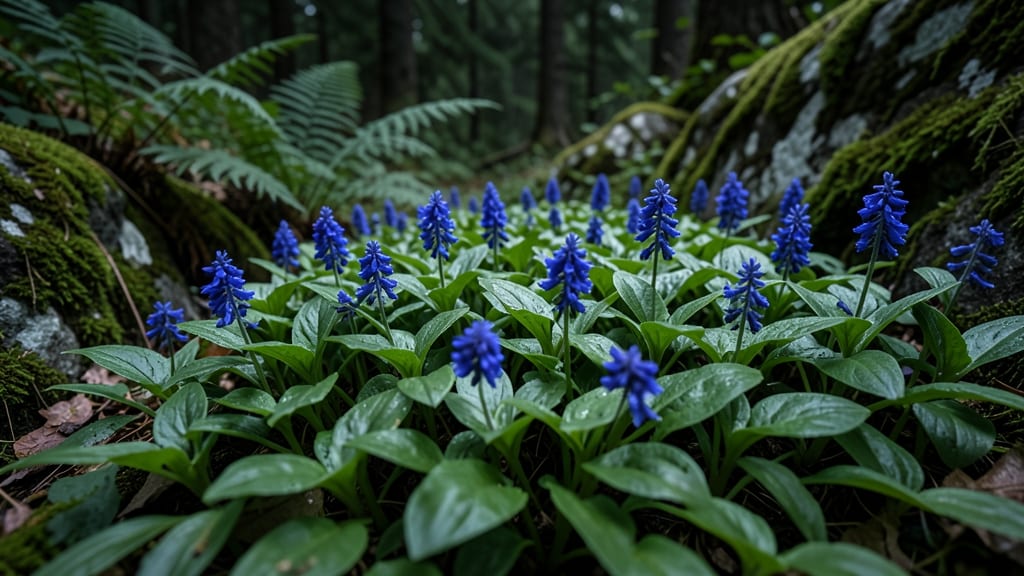
Tired of shady spots that refuse to bloom? Ajuga (Bugleweed) turns those gloomy corners into vibrant blue displays with almost no effort. This hardy ground cover thrives in wet conditions and spreads aggressively—perfect for areas where other plants wilt.
With its deep green foliage and striking blue flower spikes (March–May), Ajuga adds seasonal color while suppressing weeds. It tolerates partial to full shade and even handles occasional flooding. Simply divide clumps every few years to control its spread.
Ideal for woodland gardens, under trees, or moist borders, Ajuga is a pollinator magnet that beginners and shade gardeners will love. 🌿
Ice Plant (Delosperma) for Hot Climates
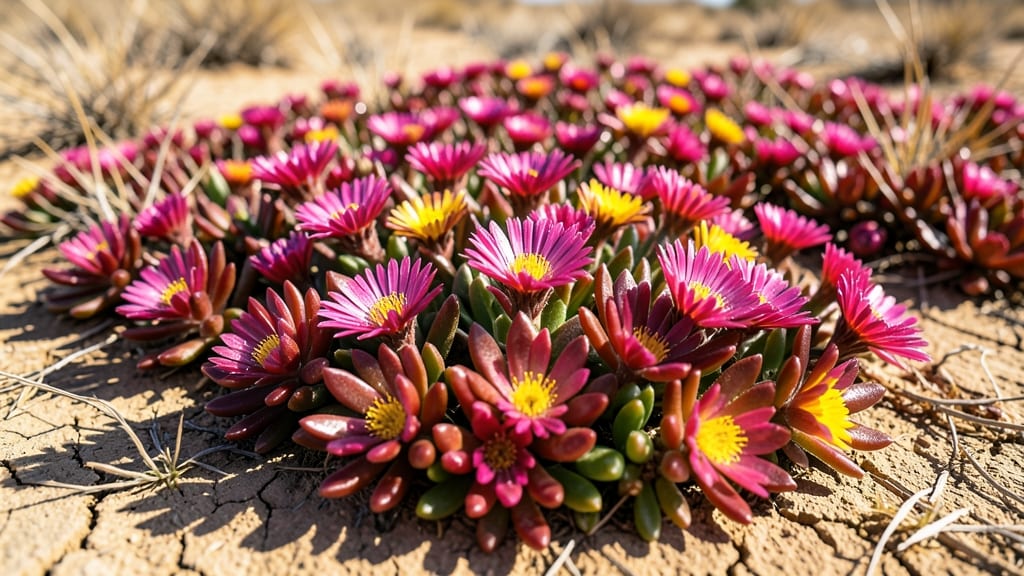
If you live in a hot, dry climate where most plants wilt by noon, ice plant (Delosperma) is your secret weapon. This heat-loving succulent doesn’t just survive summer—it thrives, producing vibrant blooms from spring until frost, making it the ultimate drought-proof ground cover.
Ice plant thrives in full sun (6+ hours daily) and requires almost no water once established. Its magenta or pink flowers open in the morning and close by afternoon, adding a dynamic touch to rock gardens or desert landscapes. For best results, plant in well-draining soil and space plants 6–12 inches apart to allow for natural spread.
This low-maintenance beauty is perfect for gardeners in USDA zones 5–10, especially those with rocky or sandy soil. It’s also a pollinator magnet, attracting bees and butterflies while suppressing weeds. 🌻
Lamium (Dead Nettle) with Spotted Leaves
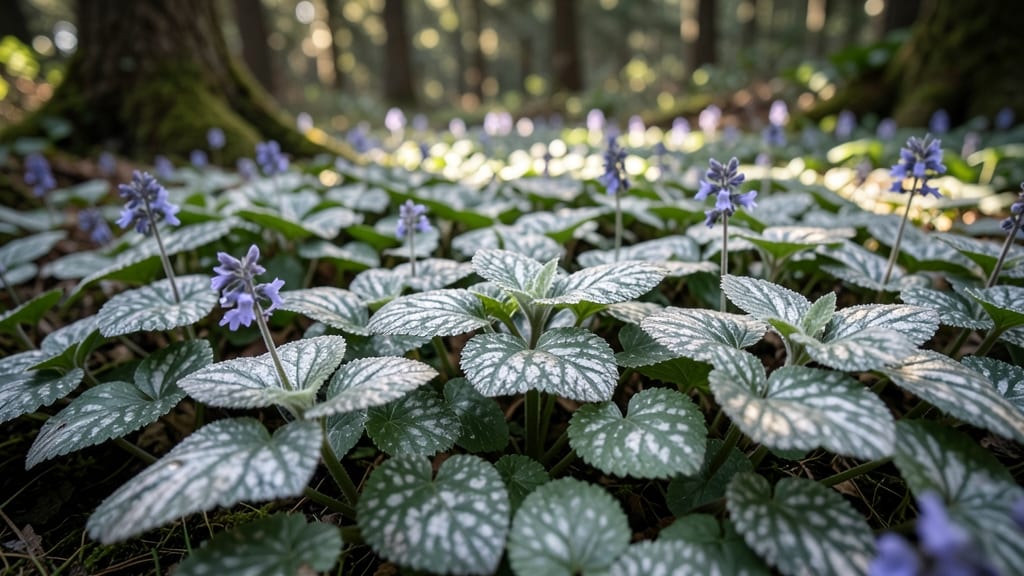
If your garden has shady spots where most plants refuse to thrive, lamium (commonly called dead nettle) is your secret weapon. This hardy ground cover thrives in partial to full shade, delivering silver-and-green spotted foliage that stays lush even when sunlight is scarce.
Lamium spreads quickly yet stays contained, making it ideal for understory planting or woodland gardens. Its hooded pink or white flowers add vertical interest from late spring through fall, while its weed-suppressing nature reduces maintenance. Plant in well-draining soil and water occasionally—once established, it handles drought surprisingly well.
Perfect for gardeners with shady borders or beginners who want low-maintenance color, lamium brings drama without demanding full sun. 🌿
Dwarf Mondo Grass with Pink Flowers
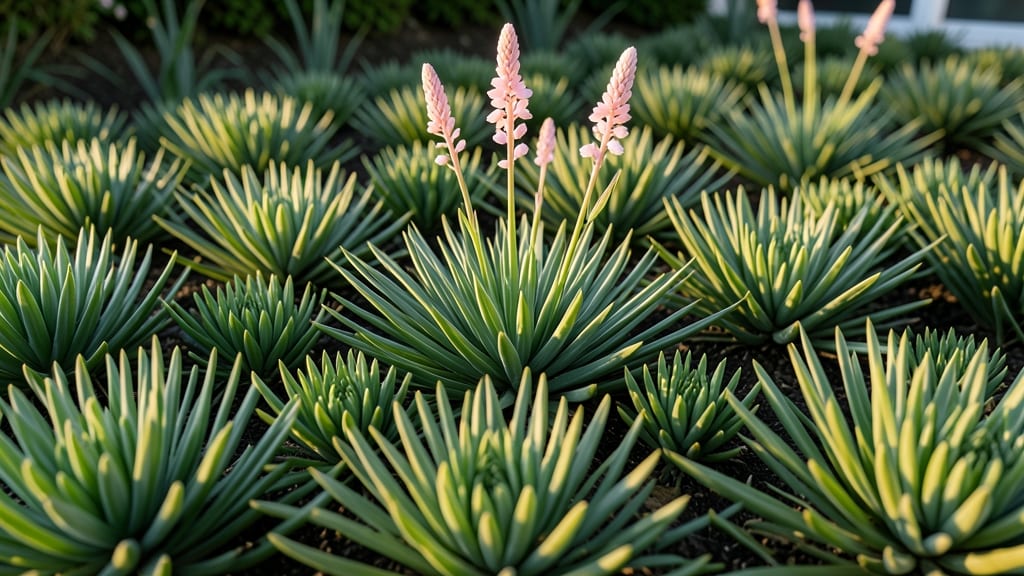
If you love the sleek, structured look of modern gardens but still crave seasonal color, dwarf mondo grass (Ophiopogon japonicus 'Nana') is your secret weapon. This evergreen ground cover stays neatly contained in tight, grass-like clumps while bursting with delicate pink flower spikes in summer—adding a soft contrast to clean lines.
Thrives in partial to full shade, making it ideal for under trees or alongside dark hardscapes where sunlight is limited. Plant in well-draining soil and space clumps 8-12 inches apart for that polished, geometric look. Unlike aggressive spreaders, it stays put, perfect for edging paths or tucking between stepping stones. 🌷
Urban gardeners and minimalist designers will appreciate its low-maintenance nature—just water occasionally and trim spent flowers. It’s the ultimate way to add subtle color without sacrificing your garden’s modern aesthetic. 💚
Creeping Phlox with Fragrant Purple Blooms
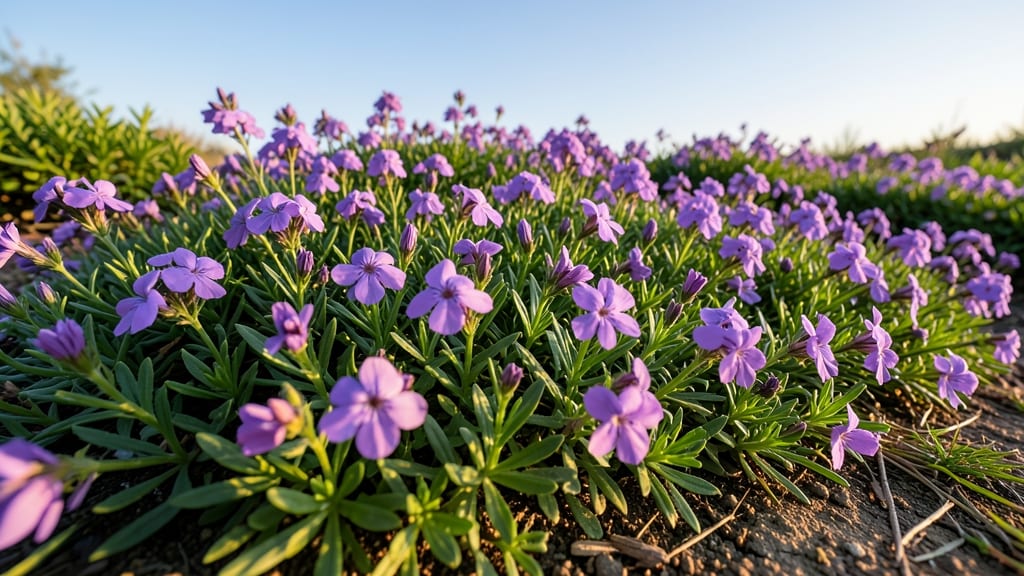
Beat the summer heat by planting creeping phlox—this early-season superstar blooms in spring when few other plants are in action. Its fragrant purple flowers create a lush, bee-friendly carpet that spreads quickly to fill gaps before summer's intensity peaks.
Thriving in full sun with well-drained soil, creeping phlox spreads 12-18 inches wide, perfect for slopes or borders where you want instant color. Deadhead spent blooms to encourage a second flush of flowers, and mulch to retain moisture. Its drought tolerance makes it ideal for water-conscious gardeners.
This plant is a game-changer for pollinator gardens, especially in early spring when bees need food. Urban gardeners and small-space planners will love its ability to transform bare spots into vibrant displays with minimal effort. 🌟
Sedum (Stonecrop) with Star-Shaped Flowers
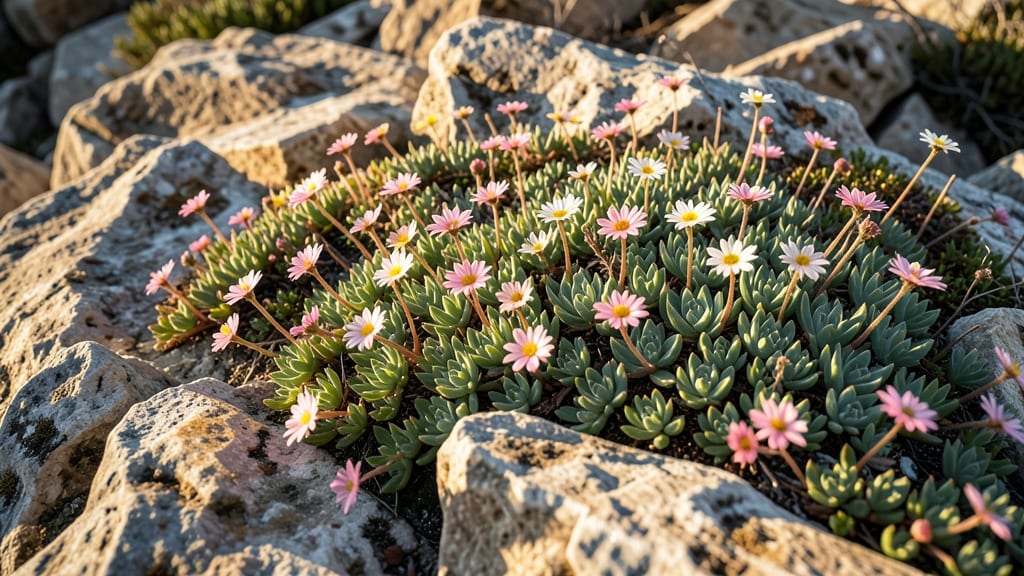
Transform rocky, dry patches into vibrant displays with sedum (stonecrop), a drought-tolerant succulent ground cover that thrives where others fail. Its star-shaped flowers in shades of pink, yellow, or white bloom from late summer through fall, adding long-lasting color to your landscape with almost no watering.
This hardy plant thrives in poor, rocky, or sandy soil, making it perfect for xeriscaping or rock gardens. Plant in full sun for best results, and let its thick, fleshy leaves store water for extended dry spells. Prune back faded blooms to encourage more flowers and prevent self-seeding if that’s a concern.
Ideal for gardeners in arid regions or those seeking low-maintenance beauty, sedum also attracts pollinators like bees and butterflies. 🌻
Liriope (Lily Turf) with Grass-Like Foliage
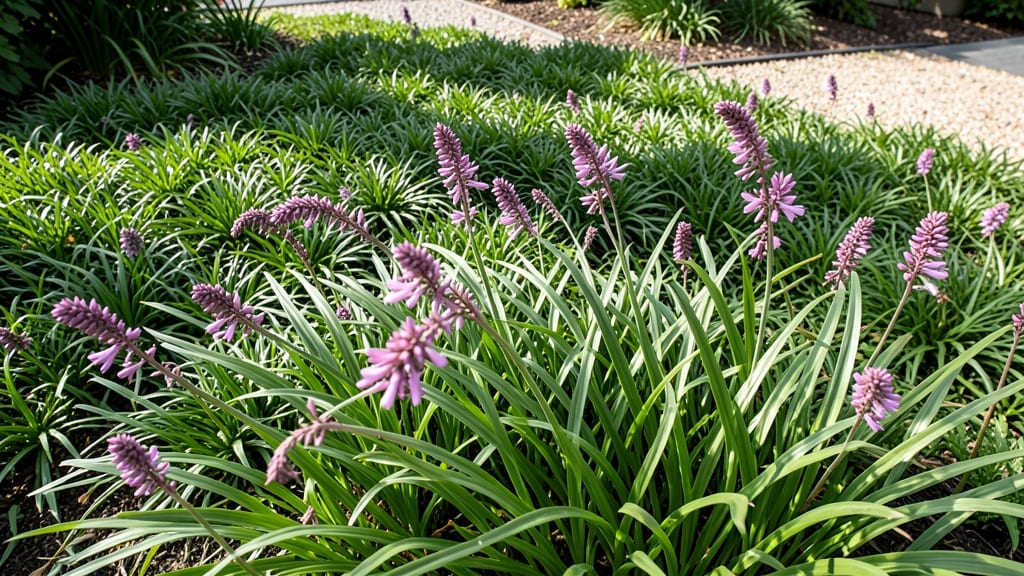
Tired of patchy lawns that demand constant mowing? Liriope (Lily Turf) offers a low-maintenance, grass-like alternative that thrives in sun or partial shade while producing arching purple flower spikes in late summer. This clumping perennial forms dense mats that suppress weeds naturally, making it ideal for edging, slopes, or even replacing high-traffic lawn areas.
Plant Liriope in well-drained soil with 4-6 hours of sun for best results, and water moderately once established—it’s drought-tolerant once roots take hold. The sword-like foliage stays evergreen in mild climates, while the 6-12 inch flower stalks add vertical interest without requiring deadheading. Varieties like 'Big Blue' or 'Silvery Sunlight' offer different heights and foliage textures for design flexibility.
Perfect for urban gardeners or modern landscapes, Liriope blends the look of grass with the resilience of a perennial—no mowing required! 🌻
Dwarf Coreopsis (Tickseed) for Pollinators

If you’re dreaming of a garden buzzing with butterflies and bees, dwarf coreopsis (Tickseed) is your secret weapon. This cheerful, daisy-like perennial thrives in full sun and delivers nonstop blooms from early summer through fall—no deadheading required. Its bright yellow flowers not only feed pollinators but also add a pop of color that’s hard to resist.
Plant dwarf coreopsis in well-drained soil and give it 6 hours of sun daily for the best performance. It’s drought-tolerant once established, making it ideal for low-maintenance borders or pollinator-friendly meadows. Deadhead spent blooms only if you want to encourage even more flowers—otherwise, let nature take its course. This plant spreads modestly, so it won’t overtake your garden but will fill in beautifully over time.
Perfect for beginner gardeners and eco-conscious landscapers, dwarf coreopsis is the ultimate low-fuss, high-reward choice for sunny spots. 🌻