
Blooming
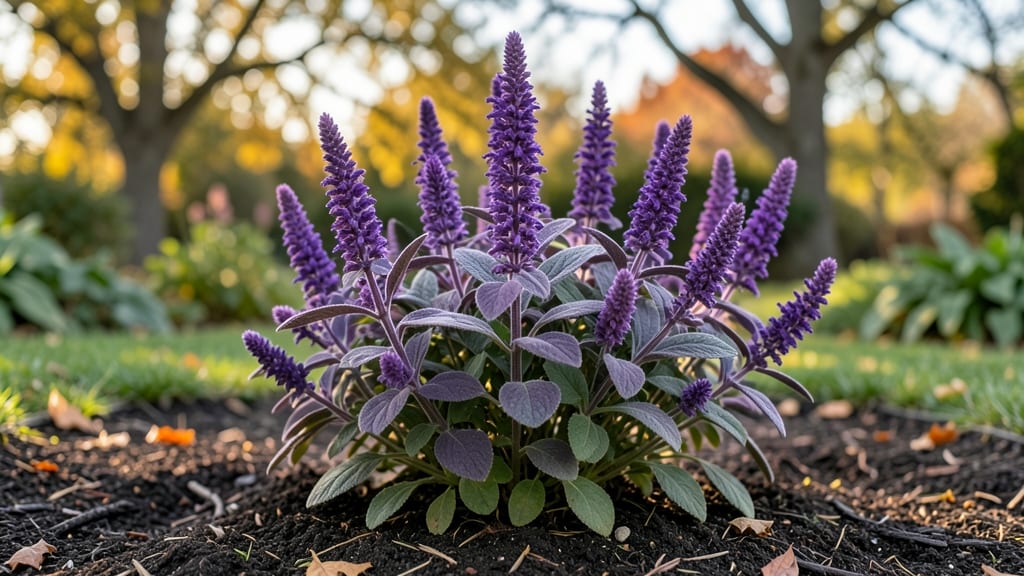
Salvias that bloom purple and rebloom like clockwork in the heat are the secret weapon of drought-tolerant gardens. 🌿 I’ve watched my Autumn Sage and May Night Salvias explode with color after summer’s peak heat—when most plants give up and fade.
These aren’t just flowers; they’re the backbone of a purple garden that thrives when others wilt. The magic lies in their heat-triggered rebloom cycle: prune them back after their first flush of spring blooms, and they’ll reward you with bold, velvety purple spikes all through summer and fall.
Pair them with silver foliage like lamb’s ear or chartreuse grasses for a high-contrast look that pops in any light. Even in full sun, they stay lush and productive, making them the star of dry, sunny borders.
What you’ll end up with is a low-maintenance purple powerhouse that draws hummingbirds and butterflies while keeping your garden vibrant. The key is strategic placement—group them in odd-numbered clusters (3, 5, or 7 plants) for natural movement, and layer them with blue salvias for a deeper, richer palette.
They’ll outperform annuals and look better year after year. This works for urban courtyards, rural borders, or container gardens—just give them well-draining soil and occasional deadheading to encourage more blooms. Let’s design a garden that stays stunning when the heat turns everything else to dust.
📚 In This Guide
- What you need
- Instructions
- Tips and common mistakes
- Wrapping up and next steps
What you need
- ● Purple salvia plants: Choose Salvia leucantha ("Mexican bush sage") or Salvia nemorosa ("purple sage")—both are heat-lovers! (1–3 plants per 2–3 sq ft of garden space.)
- ● Well-draining potting mix: 50% native soil + 50% perlite/pumice (or a cactus/succulent blend). Pro tip: Avoid heavy clay!
- ● Pruning shears: Sharp, sterilized shears (or clean scissors in a pinch) for deadheading and shaping.
- ● Mulch: 1–2 inches of wood chips or gravel to retain moisture and regulate soil temp.
- ● Watering can or hose with a gentle nozzle: Salvias hate soggy roots—water deeply but infrequently.
- ○ Fertilizer (optional but helpful): Low-phosphorus, high-potassium fertilizer (e.g., 5-10-10 or 0-0-50) for blooms.
- ● Slow-release granules (sprinkle lightly in early spring).
- ○ Heat-tolerant companion plants (optional): Pair with lavender, yarrow, or ornamental grasses for a drought-resistant display.
- ○ Sunlight gauge (optional): A simple tool to confirm your salvias get 6+ hours of full sun daily.
- ● A sunny, sheltered spot (salvias thrive in zones 5–10 but need winter protection in colder areas).
- ● Patience! Reblooming takes 4–6 weeks of consistent care after pruning.
How to trigger year-round reblooming in purple salvias
Salvias don’t just survive summer heat—they thrive and reward you with bold purple blooms. Here’s how to coax them into reblooming reliably.
🌱 Step 1: Prune Back After First Bloom Cycle
Wait until the first flush of flowers fades completely and stems turn brown. Using clean, sharp pruners, cut back each stem to about 4-6 inches above the ground. This removes spent blooms and encourages new growth from the base, where energy is strongest. I always sterilize my pruners with rubbing alcohol first—this prevents fungal infections that can weaken the plant before it even starts reblooming.
Here’s the thing—don’t rush this step. If you prune too early, you’ll sacrifice potential second blooms. Watch for the stems to yellow and crisp before cutting. This usually takes 2-3 weeks after the last flower drops. Once you’ve cut back, the plant will focus all its energy on producing fresh, vibrant foliage that will support the next bloom cycle.
☀️ Step 2: Provide Consistent Heat and Sun
Salvias love heat, but they need it paired with full sun exposure (6+ hours daily). If your climate dips below 70°F during the day, your salvias may hesitate to rebloom. I’ve found that adding a 10-15 inch layer of mulch around the base keeps roots warm and conserves moisture—critical for encouraging new flower buds.
If you notice leaves curling or wilting in intense afternoon sun, provide afternoon shade with a sheer cloth or move potted salvias to a spot with dappled light. The goal is to mimic their native Mediterranean conditions: hot days but protection from scorching afternoon rays. You’ll see new growth emerge within 3-4 weeks if the heat and light are just right.
💧 Step 3: Adjust Watering to Encourage Flower Buds
Once you’ve pruned and the new growth appears, reduce watering slightly. Salvias need moderate moisture—not soggy soil, not bone-dry. Water deeply once a week during hot spells, letting the top 2-3 inches of soil dry out between waterings. Overwatering stresses the plant and diverts energy away from blooming.
I like to water in the early morning so the foliage dries quickly, reducing the risk of fungal diseases. You’ll know you’re on the right track when the plant produces new shoots with a slightly woody texture—this is the plant’s way of signaling it’s ready to focus on flowers. If the soil stays too wet, roots suffocate and the plant puts all its energy into survival, not blooming.
✂️ Step 4: Deadhead and Fertilize Strategically
As new flower buds form, keep deadheading spent blooms to redirect the plant’s energy into producing more flowers. Use your fingers or small pruners to pinch off faded blooms at the base of the stem. This simple step can double your blooming season if done consistently. I deadhead every 3-4 days during peak bloom cycles to keep the plant focused on new growth.
Feed the plant with a balanced, water-soluble fertilizer (10-10-10) diluted to half strength every 4-6 weeks during the growing season. Avoid high-nitrogen fertilizers—they promote leafy growth at the expense of flowers. You’ll notice buds forming within 2-3 weeks of fertilizing, especially if the weather stays warm.
🌿 Step 5: Protect and Monitor for Rebloom Readiness
Watch for new flower spikes emerging from the center of the plant. These will start as small, tight buds and gradually open into the vibrant purple blooms you love. If your salvias are in containers, move them to a sheltered spot during sudden temperature drops—salvias are sensitive to cold snaps and may drop buds if shocked.
Real talk: If your salvias struggle to rebloom, it’s often due to inconsistent care. Stick to the routine of pruning, heat, and deadheading, and you’ll see purple blooms well into fall. The key is patience—some varieties take 6-8 weeks from pruning to full rebloom, but the wait is worth it for that second burst of color.
Tips & tricks for perfect purple Salvia reblooming
Between us, I've seen salvias give up on reblooming after just one season—until I learned these game-changing tricks that keep them flowering all year. The difference between a plant that fades after summer and one that bursts with purple blooms comes down to these details.
Pruning Precision: When you're ready to prune in Step 1, make your cuts at a 45-degree angle just above a leaf node or set of leaves. This angled cut prevents water from pooling and causing rot at the stem base. I've found that using clean, sharp pruners isn't just about hygiene—it also creates cleaner cuts that heal faster, allowing the plant to redirect energy to new growth within those crucial 2-3 weeks after pruning.
Sunlight Strategy: For Step 2, if you're in a hot climate where temperatures frequently exceed 70°F, consider using a light-colored shade cloth (30-50% shade) during the peak afternoon sun hours. This mimics the Mediterranean conditions salvias thrive in while protecting them from the intense heat that can actually stress the plant. The goal is to maintain that 6+ hours of full sun while preventing leaf scorch that would divert energy away from blooming.
Watering Wisdom: In Step 3, the key to that once-a-week watering is checking soil moisture with your finger—stick it about 2-3 inches deep. If it feels dry at that depth, it's time to water. I've ruined multiple salvias by following a rigid schedule rather than paying attention to the plant's actual needs. The plant's woody new shoots are your best indicator that it's ready for the slightly reduced watering that encourages bud formation.
Fertilizer Timing: When you're ready to fertilize in Step 4, I've found that applying the diluted 10-10-10 fertilizer right after a deep watering helps prevent root burn. The plant absorbs nutrients more efficiently when the soil is moist, and you'll notice those buds forming within 2-3 weeks as promised. Just remember—this is a growing-season only treatment. Once temperatures drop below 50°F, stop fertilizing entirely to let the plant focus on hardening off for winter.
Pro Tips for Purple And Bloom Salvias
- Between us, I've seen salvias give up on reblooming after just one season—until I learned these game-changing tricks that keep them flowering all year.
- Pruning Precision: When you're ready to prune in Step 1, make your cuts at a 45-degree angle just above a leaf node or set of leaves.
- Sunlight Strategy: For Step 2, if you're in a hot climate where temperatures frequently exceed 70°F, consider using a light-colored shade cloth (30-50% shade) during the peak afternoon sun hours.
Frequently asked questions
Got questions about coaxing purple and bloom salvias into their heat-triggered glory? You’re not alone! Here are answers to the most common queries—from timing tips to troubleshooting tricks.
When is the best time to plant purple salvias for maximum blooms?
Plant Salvia ‘Purple’ or Salvia ‘Bloom’ in early spring (after the last frost) or late summer for a fall rebloom. These heat-loving plants thrive in full sun (6+ hours/day) and well-draining soil. For year-round color, space them 12–18 inches apart and mulch to retain moisture.
Why aren’t my salvias reblooming like they did last year?
Salvias often skip reblooms if they’re overcrowded, underwatered, or lack deadheading. Prune spent blooms in early summer to encourage new growth. Also, check soil fertility—these plants love low-phosphorus, high-potassium fertilizer (like 5-10-10) in spring. Pro tip: If blooms fade early, they may need more afternoon shade in hot climates.
Can I grow purple salvias in containers? What’s the best setup?
Use large pots (12+ inches wide) with drainage holes and a fast-draining mix (cactus/succulent blend + perlite). Choose heat-tolerant varieties like Salvia ‘May Night’ or Salvia ‘Hot Lava’. Water deeply but infrequently—containers dry out faster. For extra blooms, fertilize monthly with a water-soluble bloom booster.
Do purple salvias survive winter? How do I protect them?
Most perennial salvias (like Salvia ‘Purple’) are hardy to USDA Zones 5–9, but young plants or tender varieties may need winter care. In colder zones, mulch heavily (4–6 inches) with straw or shredded leaves. For potted salvias, move them to a sheltered spot or wrap pots in bubble wrap. Pro tip: Trim back brown foliage in early spring to encourage fresh growth.
What are some easy alternatives if salvias don’t thrive in my climate?
If your area is too wet, shady, or humid, try these low-maintenance, heat-loving bloomers:
- Lantana – Drought-tolerant, attracts pollinators, blooms nonstop.
- Verbena – Thrives in heat, comes in purple/pink shades.
- Zinnias – Fast-growing annuals with bold purple blooms.
- Blackfoot Daisy – Drought-resistant, purple daisy-like flowers.
For salvia-like foliage, consider Coleus or Heuchera (though they won’t rebloom like salvias).
Wrapping up and next steps
Transforming your garden into a year-round canvas of purple and bloom with salvias isn’t just possible—it’s magical. By mastering the heat-triggered rebloom technique, you’ve unlocked a secret to vibrant, low-maintenance beauty that thrives even in tough conditions.
Whether you’re a seasoned gardener or just starting, these tips and tricks make it easy to bring life to your outdoor space with confidence.
Ready to watch your salvias shine brighter than ever? Grab your shears, head outside, and give your plants that final trim and care boost before the next blooming cycle. Your garden’s next masterpiece is just a few snips away! 🌸✨