
Blooming
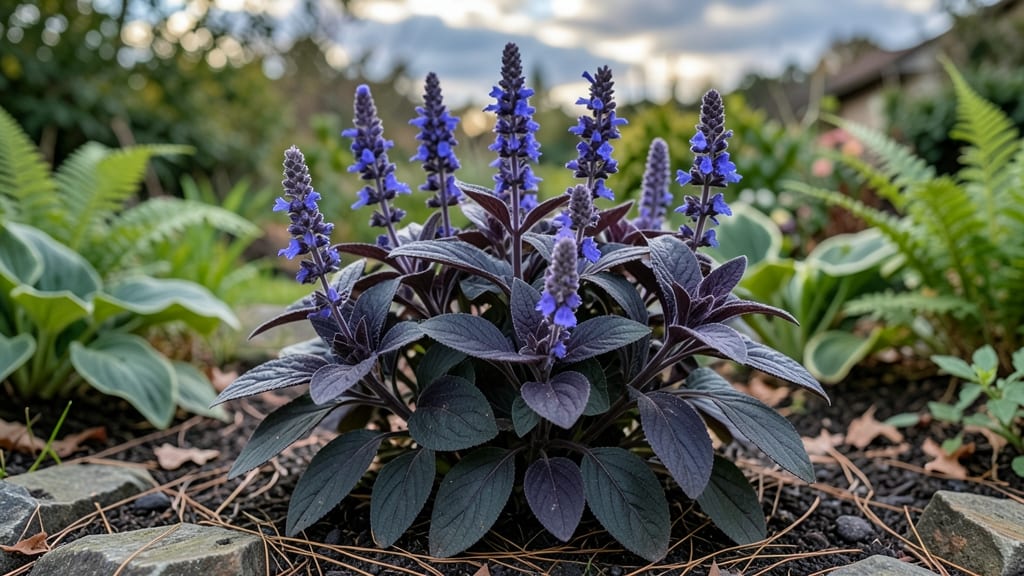
Black and Bloom salvias turn summer borders into dramatic purple fireworks. 🌿 Their velvety black leaves create stunning contrast, while the heat-triggered flower spikes pop with deep magenta—rebounding reliably every year once established. This isn't just another pretty plant; it's the focal point that makes your garden feel intentional.
The secret to their show-stopping performance lies in their heat tolerance and drought resistance. Plant them where they'll get at least 6 hours of sun daily, and they'll reward you with blooms from early summer through fall.
Their compact habit makes them perfect for borders, containers, or even as edging plants where their dark foliage creates striking visual lines. You'll love how they attract hummingbirds and bees while keeping deer and rabbits away.
The combination of their striking foliage and vibrant blooms creates a pollinator magnet that other plants can't match. Pair them with silver foliage plants like lamb's ear or dusty miller for maximum contrast. These salvias thrive in well-draining soil and need minimal care once established.
Their ability to rebound yearly makes them a low-maintenance superstar for any garden design. Whether you're creating a modern border or adding height to containers, Black and Bloom salvias deliver drama with minimal effort.
📚 In This Guide
- What you need
- Instructions
- Tips and common mistakes
- Wrapping up and next steps
What you need
- ● Black and Bloom Salvia plants: 1-3 plants (depending on desired garden size)
- ● Well-draining potting mix: 5-10 gallons (or enough to fill your chosen containers)
- ● Organic compost: 1-2 cups (for enriching soil)
- ● Slow-release fertilizer: 10-20-10 NPK ratio (1 tbsp per plant)
- ● Mulch: 2-3 inches of gravel or organic mulch (to retain moisture)
- ● Garden trowel or hand shovel (for planting)
- ● Watering can or hose with a gentle spray nozzle (Salvias hate soggy roots!)
- ● Pruning shears (for deadheading and shaping)
- ○ Gloves (optional) (to protect hands from thorns)
- ● Full sun location: At least 6-8 hours of direct sunlight daily
- ● Heat tolerance: Thrives in USDA Zones 5-10 (or similar climates)
- ● Drought-resistant area: Once established, Salvias love dry conditions
Step-by-Step guide for planting and caring for Black and Bloom Salvias
Here's how to coax those stunning purple spikes back every season with minimal fuss.
🌱 Step 1: Choose the Perfect Planting Spot
Black and Bloom Salvias thrive in full sun—at least 6-8 hours daily. I always plant mine where they'll get morning sun and afternoon shade in hot climates, which prevents leaf scorch. The soil should drain well, so avoid low spots where water pools after rain.
Dig a hole twice as wide as the root ball but no deeper. Loosen the sides of the hole with a fork to help roots spread easily. If your soil is heavy clay, mix in a handful of compost or sand to improve drainage. The plant's dark foliage makes it stand out, so place it where you'll see it often—like near a patio or walkway.
🌿 Step 2: Plant at the Right Depth and Spacing
Remove the salvia from its container and gently tease apart any circling roots. Set the plant in the hole so the top of the root ball sits even with the surrounding soil level. Burying the stem too deep can cause rot, while planting too high stresses the plant.
Space plants 18-24 inches apart to give them room to grow without competing for nutrients. You'll see those dramatic purple flower spikes emerge more vigorously when they're not crowded. Water deeply right after planting to settle the soil and eliminate air pockets around the roots.
☀️ Step 3: Water Deeply but Infrequently
Black and Bloom Salvias are drought-tolerant once established, but they need consistent moisture during their first growing season. Water deeply once a week until the soil is 6-8 inches deep and evenly moist. You'll know it's time to water again when the top inch of soil feels dry to the touch.
Overwatering is the biggest mistake I see—these plants hate soggy roots. If the soil stays wet for more than a day, the roots will rot. In hot weather, you might need to water twice a week, but always check the soil first. Mulch around the base with 2-3 inches of organic mulch to retain moisture and keep roots cool.
✂️ Step 4: Prune to Encourage More Blooms
After the first flush of blooms fades, cut back the spent flower spikes to just above the first set of healthy leaves. This encourages a second round of blooms later in the season. I always use clean, sharp pruners to avoid damaging the stems.
In late fall, before the first frost, cut the plants back by half their height. This helps protect the crown from cold damage and promotes fresh, vigorous growth in spring. Don’t worry if it looks bare—Black and Bloom Salvias are tough and will bounce back beautifully.
🌱 Step 5: Protect and Prepare for Winter
If you're in a colder climate, mulch heavily around the base of the plant with 4-6 inches of straw or leaves to insulate the roots. In zones with hard freezes (below 20°F), consider wrapping the plant in burlap or moving it to a protected location.
In spring, as soon as new growth appears, remove the winter mulch and trim back any dead or damaged stems. Black and Bloom Salvias are perennial in many climates, so with proper care, they’ll reward you with those stunning purple spikes year after year.
Tips & tricks for perfect Black and Bloom Salvias
Took me years to figure out these tricks for keeping my Black and Bloom Salvias thriving—now I never lose those showstopping purple blooms.
Sunlight Strategy: In Step 1, when choosing your planting spot, pay attention to your climate. While they need at least 6-8 hours of sun daily, I've found that afternoon shade in hotter zones (like Southern California) prevents leaf scorch while still allowing those purple spikes to form. If you're in a cooler climate, full sun all day works perfectly. The key is watching the leaves—if they start looking crispy, they're getting too much direct afternoon heat.
Soil Savvy: The instructions mention compost or sand for clay soil, but I've learned that adding a handful of perlite to heavy soils creates even better drainage. This prevents that dreaded root rot while keeping the soil loose enough for roots to spread. I mix it right into the backfill when planting in Step 1, and my plants thank me with more vigorous growth.
Watering Wisdom: In Step 3, the once-a-week watering guideline works for most gardens, but I've discovered a simple trick: stick your finger 2 inches into the soil. If it feels dry, water deeply until it's moist 6-8 inches down. This method prevents overwatering while ensuring those roots get the moisture they need without sitting in soggy conditions. And remember, mulch is your friend—those 2-3 inches of organic mulch help retain moisture and keep roots cool during summer heat.
Pruning Pro Tip: When you're ready to prune in Step 4, look for the first set of healthy leaves just below the spent blooms. I like to use my fingers to gently feel for where the stems start to thicken—this is your visual cue for where to cut. And here's a bonus: after your first pruning, save those cuttings in water for a week or two. They often root and become new plants!
Pro Tips for Black And Bloom Salvias
- Took me years to figure out these tricks for keeping my Black and Bloom Salvias thriving—now I never lose those showstopping purple blooms.
- Sunlight Strategy: In Step 1, when choosing your planting spot, pay attention to your climate.
- Soil Savvy: The instructions mention compost or sand for clay soil, but I've learned that adding a handful of perlite to heavy soils creates even better drainage.
Frequently asked questions
Got questions about growing Black and Bloom salvias? You’re not alone! Here are some of the most common queries—and their answers—to help you cultivate these stunning, heat-loving plants with confidence.
How hot does it need to get for Black and Bloom salvias to bloom?
Black and Bloom salvias thrive in full sun and heat, typically blooming when daytime temperatures hit 75–85°F (24–29°C) or higher. If your summers are mild, they may produce fewer spikes—consider placing them in the hottest spot in your garden or near a south-facing wall. Pro tip: They often rebloom after a light pruning post-flowering!
Can I grow Black and Bloom salvias in containers? What size pot do I need?
These salvias adapt well to containers, but size matters. Use pots at least 12–18 inches wide and deep with drainage holes to prevent root rot. Opt for terracotta or fabric grow bags for better airflow. Bonus: Container-grown plants can be moved to extend their heat exposure during cooler months.
How do I protect Black and Bloom salvias from winter freeze?
While these salvias are perennial in USDA zones 7–10, they’ll need winter care in colder climates. Mulch heavily (3–4 inches of straw or shredded leaves) around the base after the first frost. In zones 6 or colder, cut back stems to 6 inches and cover with burlap or frost cloth. They’ll bounce back in spring!
Are Black and Bloom salvias deer- or rabbit-resistant?
Good news! These salvias are generally deer- and rabbit-resistant thanks to their strong scent and fuzzy foliage. However, young plants or seedlings may still be tempting. To deter pests, plant near aromatic herbs like rosemary or lavender, or use physical barriers (like chicken wire) until established.
What can I plant alongside Black and Bloom salvias for a stunning combo?
Pair these dramatic purple spikes with complementary colors and textures! Try:
- Silver foliage: Lamb’s ear (Stachys byzantina) or dusty miller (Artemisia ‘Silver Mound’)
- Bright blooms: Orange Mexican bush sage (Salvia leucantha ‘Midnight’) or yellow black-eyed Susan (Rudbeckia)
- Low growers: Creeping thyme (Thymus serpyllum) or blue fescue grass (Festuca glauca)
Wrapping up and next steps
Black and Bloom Salvias are a gardener’s dream—dramatic, low-maintenance, and reblooming year after year with just a little heat! 🌡️ Their deep purple spikes not only add stunning contrast to any landscape but also thrive with minimal fuss.
Whether you’re a seasoned green thumb or a beginner, these beauties prove that easy care doesn’t mean sacrificing showstopping color.
Ready to transform your garden? Start by snagging a few Black and Bloom Salvias and give them a sunny spot—your future blooms will thank you! 🌱 Plant one today and watch the magic unfold!