
Blooming
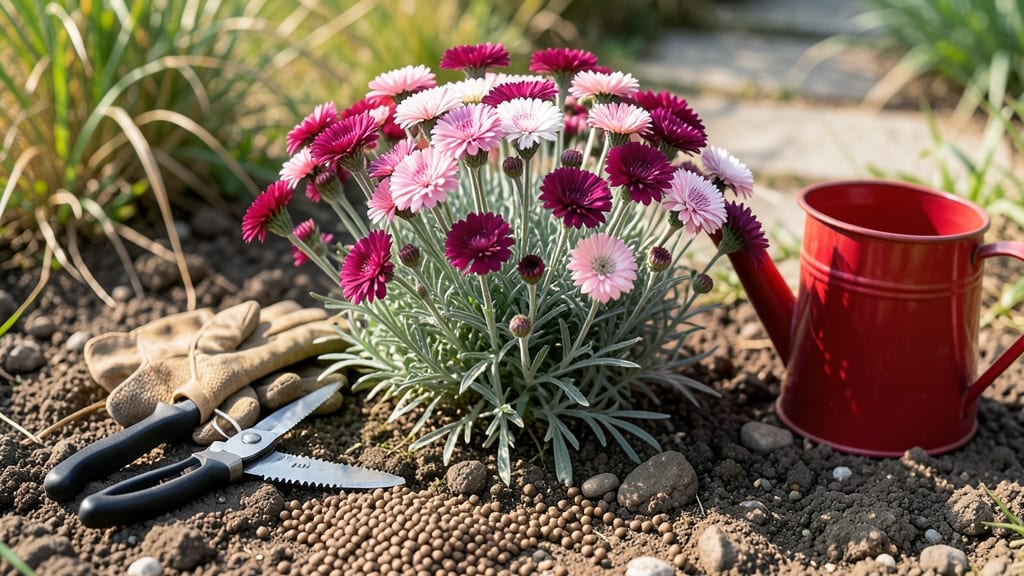
Getting your dianthus to bloom more means understanding its heat-loving secrets. ✨ I’ve watched my dianthus go from sparse pink bursts to a nonstop floral explosion by tweaking just a few things—starting with sunlight and timing. The key?
Dianthus needs full sun (6+ hours daily) and hotter soil to trigger blooms. Most gardeners overwater or fertilize too much, which actually stunts flowers. Instead, focus on well-draining soil and light feeding—think of it as a slow-burn strategy, not a quick fix.
By mid-summer, you’ll see buds forming along the stems, and with proper deadheading, those blooms will keep coming until frost. The fragrance alone makes it worth the effort—like walking through a cottage garden every time you pass.
Works for both garden beds and containers, and the same tricks apply whether you’re growing sweet Williams or perennial dianthus. Let’s get those flowers popping!
📚 In This Guide
- What you need
- Instructions
- Tips and common mistakes
- Wrapping up and next steps
What you need
- ● Dianthus plants: Healthy, mature plants (potted or in-ground) with at least 3–6 inches of stem height. Pro tip: Choose varieties like Dianthus barbatus (Sweet William) or Dianthus chinensis for prolific blooming!
- ○ Well-draining potting mix: 5–10 gallons (depending on pot size), blended with perlite or sand (1:1 ratio) for aeration. Optional: Add a slow-release fertilizer (10-10-10 ratio) for a nutrient boost.
- ● Heat source: Heat mat: 1–2 square feet (e.g., 12"x24" mat for small pots). Look for 100–120°F models with adjustable settings.
- ● Grow lights: Full-spectrum LED bulbs (6000K–6500K color temp) or incandescent heat lamps (100–150W). Place 6–12 inches above plants for consistent warmth.
- ● Thermometer: Digital soil or air thermometer to monitor temperatures (70–85°F day, 60–70°F night is ideal).
- ● Watering can or spray bottle: With a fine rose nozzle to avoid disturbing soil.
- ● Pruning shears: Sharp, sterilized shears for deadheading and shaping.
- ● Humidity tray: A shallow tray with pebbles and water to maintain 40–60% humidity (especially for potted plants).
- ● Bloom booster fertilizer: Liquid bloom formula (e.g., fish emulsion or tomato fertilizer) diluted to ½ strength every 2 weeks.
- ● Reflective mulch: White or silver mulch film to increase light exposure by 20–30% in shaded areas.
- ● Timer: For grow lights (set to 14–16 hours/day in winter).
- ● Drip irrigation kit: For automated watering (critical if you’re traveling or busy).
Step-by-step guide to encourage dianthus blooms
Here's how I coaxed my stubborn dianthus into a nonstop floral display—no fancy tricks, just science-backed care.
🌱 Step 1: Master the Heat Trigger
Dianthus blooms when it experiences a daytime temperature of 75-85°F followed by cooler nights. I place my pots in morning sun where they warm up naturally, then move them to partial shade by afternoon. This mimics their Mediterranean origins where heat triggers buds to open.
Watch for pink or red buds forming—that's your signal the heat trigger worked. If buds appear but don't open, your nights might be too warm. A 10°F drop after sunset is ideal. I use a simple thermometer to track nighttime temps and adjust placement accordingly.
☀️ Step 2: Optimize Light Exposure
Dianthus needs 6-8 hours of direct sun daily, but too much midday heat can stress plants. I position mine where they get morning sunlight and afternoon shade—this prevents leaf scorch while maintaining bloom production. You'll see leaves stay deep green rather than yellowing or crisping at the edges.
If your plants look leggy with sparse blooms, they're not getting enough light. Move them closer to a south-facing window or supplement with a grow light for 4-6 hours daily. The key is bright, indirect light—never harsh afternoon sun without acclimation.
💧 Step 3: Water Strategically
Dianthus hate soggy roots, so I water only when the top 1-2 inches of soil feel completely dry. Stick your finger in—if it's damp below that depth, wait another day. Overwatering causes buds to drop before opening, and that's the fastest way to ruin a bloom cycle.
I water at the base of the plant early in the morning to let foliage dry completely before evening. Wet leaves at night invite fungal diseases like powdery mildew, which can defoliate plants and stop blooming entirely. A well-draining soil mix is non-negotiable—amend with perlite if yours compacts easily.
✂️ Step 4: Deadhead and Prune for Continuous Blooms
Deadheading is the secret weapon for dianthus. As soon as a bloom fades, I snip the spent flower head just above the next set of leaves with clean pruners. This redirects the plant's energy from seed production to new bud formation. I do this every 2-3 days during peak bloom season.
After the first flush of blooms, I give my dianthus a light trim by cutting back one-third of the oldest stems. This encourages bushier growth and prevents legginess. The new growth from the base will produce fresh buds within 3-4 weeks. Avoid heavy pruning—you'll sacrifice next season's blooms.
🌿 Step 5: Feed and Fertilize for Long-Term Blooms
I switch to a low-nitrogen, high-phosphorus fertilizer (like 5-10-5) when buds first appear. Phosphorus is what triggers flowering, and I apply it every 4-6 weeks during the growing season. Too much nitrogen makes plants focus on leaves instead of blooms—that's why I avoid general-purpose fertilizers.
In late summer, I reduce feeding entirely and let the plant rest. This 6-8 week break mimics winter dormancy and ensures a strong spring rebloom. I resume light feeding in early spring when new growth appears. The goal is balanced nutrition—never push for blooms at the expense of plant health.
Tips & tricks for year-round dianthus blooms
These science-backed tricks will transform your dianthus from a one-time bloomer to a continuous floral powerhouse.
Temperature Precision: The 75-85°F daytime range is non-negotiable for bud formation, but here's the secret: use a thermometer to track nighttime temps. If they stay above 65°F, your buds may form but fail to open. I place mine on a raised platform to improve airflow and cooler nighttime temperatures—this mimics their Mediterranean climate perfectly.
Light Strategy: That 6-8 hours of direct sun needs smart placement. I rotate my pots every 2-3 weeks to prevent one-sided growth, ensuring even light exposure. For indoor growers, position plants within 12 inches of a south-facing window or use LED grow lights on a timer for those 4-6 hours daily. The goal is consistent, bright light without scorching.
Pruning Timing: The 3-4 week window after your light trim is critical. During this period, I avoid all heavy pruning or fertilizing—this lets the plant focus solely on developing new buds. Think of it as a recovery phase where the plant rebuilds its energy reserves for the next bloom cycle. This patience pays off with denser, longer-lasting flowers.
Fertilizer Schedule: That 4-6 week interval between phosphorus applications might seem long, but it's intentional. I test my soil pH before applying fertilizer—dianthus thrive in slightly acidic soil (pH 6.0-7.0). If your soil is already rich, you can stretch the interval to 8 weeks. The key is consistency: never skip a feeding once buds appear, or you'll see a dramatic drop in bloom production.
Pro Tips for Get Dianthus To Bloom More
- These science-backed tricks will transform your dianthus from a one-time bloomer to a continuous floral powerhouse.
- Temperature Precision: The 75-85°F daytime range is non-negotiable for bud formation, but here's the secret: use a thermometer to track nighttime temps.
- Light Strategy: That 6-8 hours of direct sun needs smart placement.
Frequently asked questions
Got questions about coaxing more blooms from your dianthus? Here are some of the most common ones—and their answers—to help you troubleshoot and succeed!
Why isn’t my dianthus blooming even after following heat treatments?
If your dianthus still seems reluctant to bloom, check for these common culprits: overcrowding (prune back overgrown plants), poor drainage (ensure pots have drainage holes), or nutrient deficiencies (use a balanced fertilizer like 10-10-10). Also, dianthus needs at least 6 hours of sunlight daily—if it’s shaded, move it to a sunnier spot!
Can I force dianthus to bloom indoors year-round?
While dianthus thrives outdoors, you can encourage indoor blooming with the right setup: place it near a south-facing window, use a grow light for 12+ hours/day, and mimic seasonal changes with heat treatments (like a heat lamp for 2-3 weeks). Just expect fewer blooms than outdoor plants!
What’s the best dianthus variety for continuous blooming?
For nonstop color, opt for evergreen dianthus varieties like Dianthus gratianopolitanus or Dianthus barbatus (sweet Williams). These are hardy, heat-tolerant, and bloom prolifically with proper care. Perennial dianthus (like ‘Firewitch’) also reblooms well if deadheaded regularly!
My dianthus leaves are turning yellow—will it still bloom?
Yellowing leaves often signal overwatering or root rot. Let the soil dry out between waterings, and avoid soggy conditions. If caught early, prune affected leaves and adjust care—your plant may still recover and bloom! For severe cases, propagate healthy cuttings to save the variety.
Are there alternatives to dianthus for heat-loving, long-blooming flowers?
If dianthus proves tricky, try these heat-tolerant, long-blooming alternatives:
- Lantana: Thrives in heat, blooms nonstop in colors like pink and yellow.
- Zinnia: Fast-growing, drought-resistant, and loves full sun.
- Portulaca (Moss Rose): Succulent-like, heat-proof, and blooms all summer.
- Salvia (Scarlet Sage): Drought-tolerant and attracts pollinators.
Wrapping up and next steps
Getting your dianthus to bloom more is all about understanding its needs and giving it the right conditions—like a little heat trick! With the right sunlight, soil, and care, you’ll enjoy vibrant flowers year-round.
Don’t forget: patience and consistency are key, and soon, your garden will be bursting with color. 🌸
Ready to see the results? Start by applying these tips this season and watch your dianthus thrive! For extra inspiration, explore more heat-loving plants to expand your blooming garden. Happy gardening! 🌞