
Blooming
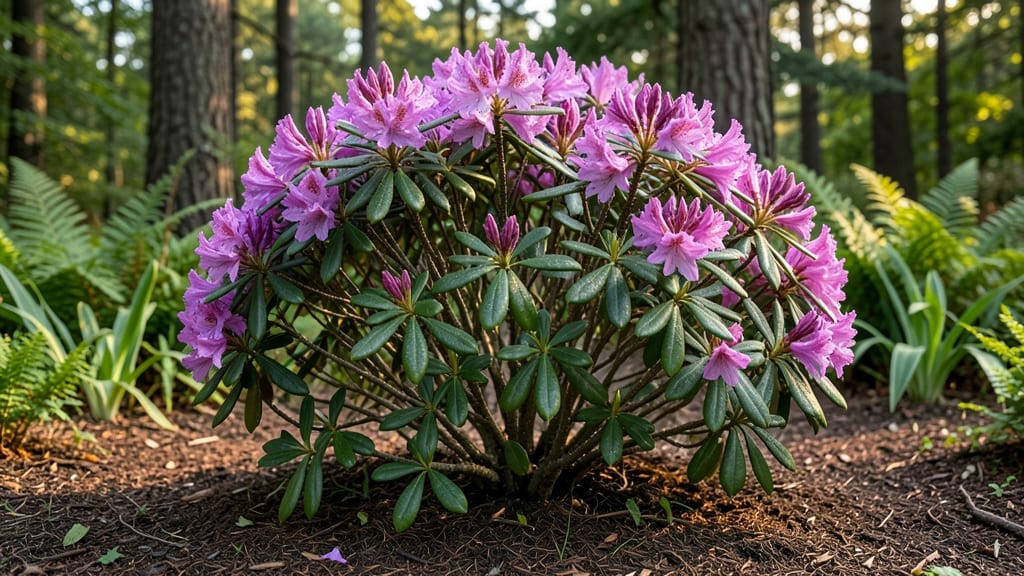
The PJM rhododendron bloom time is a highlight of late spring 🌸, typically unfolding between mid-April and early May in most of Zones 4-7, making it one of the earliest showstoppers of the season.
Picture this: your yard bursting with clusters of lavender-purple blooms just as other spring flowers are still waking up. That’s the magic of the PJM rhododendron, a shrub that turns heads the moment it opens—if you know how to set it up for success.
But here’s the catch: bloom time isn’t just about the calendar. Soil acidity, sunlight exposure, and even last winter’s snow cover can shift those purple clusters by weeks. In cooler Zones 3-4, expect blooms to arrive a little later, while Zone 7 gardens might see them a few days earlier.
Below, I’ll break down the exact timing for your zone, share the 3 biggest factors that delay or advance blooms, and reveal the simple care tricks that make your PJM put on a longer, brighter show every year.
PJM rhododendron bloom time: exact months & climate factors
The PJM rhododendron (Rhododendron 'PJM') is famous for its vibrant purple blooms that appear in late spring, typically April to early May in most USDA Zones 4-7. This timing makes it a standout for gardeners craving early color before summer heat sets in.
However, exact bloom dates vary based on climate, location, and plant age, so understanding these factors helps you predict—and even influence—your shrub’s flowering schedule.
In cooler northern zones (4-5), buds often swell in late March with full blooms by mid-April.
Meanwhile, in warmer southern zones (6-7), flowering may stretch from late April to early June, especially if temperatures remain mild. Regional microclimates—like urban heat islands or sheltered valleys—can shift bloom times by 1-2 weeks earlier or later.
Climate factors like chilling hours (300-500 hours below 45°F) and spring temperature spikes directly impact blooming. PJM rhododendrons need adequate winter chill to set buds, but premature warmth can cause buds to open too early, risking frost damage. Sunlight exposure also plays a role—partial shade (3-6 hours of morning sun) encourages longer-lasting blooms, while full sun can stress the plant and shorten the display.
| Factor | Impact on Bloom Time | Optimal Conditions |
|---|---|---|
| USDA Zone | Zones 4-5: April; Zones 6-7: May | Zones 4-7 (hardy to -30°F) |
| Chilling Hours | 300-500 hours below 45°F | Full winter chill for bud set |
| Spring Temperature | Gradual warming (50-65°F) | Avoids bud burn from heat spikes |
| Sunlight | Partial shade (3-6 hours sun) | Morning sun, afternoon shade |
| Soil pH | Acidic (4.5-6.0) | Well-draining, organic-rich |
| Plant Age | Young (3-5 yrs): sparse blooms; Mature (10+ yrs): peak | Patience for full potential |
Young PJM rhododendrons (under 5 years old) may produce fewer blooms or flower 1-2 weeks later than mature plants.
A 5-year-old shrub typically blooms 2-3 weeks earlier than a newly planted specimen, while mature plants (10+ years) often burst into color by mid-April in Zone 5. Location matters too: Plants in elevated or windy areas may bloom slightly later due to cooler microclimates, whereas sheltered spots can advance flowering by up to 10 days.
Soil conditions are critical for timing. Acidic soil (pH 4.5-6.0) with organic matter ensures nutrients are available when buds swell. Compacted or alkaline soil can delay blooming by 3-4 weeks or cause buds to drop entirely. Mulching with pine needles or peat in late fall helps maintain ideal soil acidity and moisture, setting the stage for earlier and more abundant blooms the following spring.
If your PJM rhododendron blooms later than expected, check for stress signs like yellowing leaves (possible nutrient deficiency) or bud blast (often caused by late spring frost or drought stress). Adjust care by watering deeply in late summer to build root reserves and applying a slow-release acidic fertilizer in early spring to support bud development.
For gardeners in warmer climates (Zone 7+), late blooming is normal, but you can encourage earlier flowers by planting in partial shade and watering consistently. In cooler zones (4-5), protect buds from late frost with frost cloth or select a sheltered location.
With the right conditions, your PJM rhododendron can reward you with 3-4 weeks of stunning purple blooms, making it a spring garden staple.
Pro tip: Track your plant’s bloom dates for 2-3 years to spot trends. Over time, you’ll learn how local climate shifts (like earlier springs) affect your shrub—and adjust care accordingly. Patience and observation are key to unlocking the full potential of this hardy, long-lived beauty.
🌸
5 Proven ways to extend PJM rhododendron bloom time naturally
Your PJM rhododendron deserves more than just a fleeting spring show—with the right care, you can stretch those vibrant purple blooms by weeks. The secret lies in seasonal adjustments that mimic its natural growing conditions while avoiding common mistakes that shorten its display.
From winter mulching to strategic spring fertilization, each step builds on the last to create a longer-lasting floral spectacle.
First, understand that PJM rhododendrons bloom on old wood, meaning last year’s growth produces this year’s flowers. Any aggressive pruning can cut off next season’s blooms—so timing and technique matter.
The good news? Small, thoughtful changes in your care routine can make a dramatic difference in bloom duration without risking future flowers.
Apply 3-4 inches of organic mulch (pine bark or shredded leaves) in late fall to insulate roots. This protects buds from temperature swings that can shock the plant and shorten bloom time. Replenish mulch annually in early spring before buds swell.
Feed with acid-loving plant fertilizer (10-10-10 NPK) in early March, just as new growth appears. Avoid high-nitrogen fertilizers—they promote leafy growth at the expense of flower buds. Use ½ cup per plant and water deeply to activate roots.
Water deeply once weekly during bloom season (April-May) to prevent bud drop. Use a soaker hose to deliver moisture directly to roots without wetting foliage. Morning watering reduces fungal risks that can weaken stems and shorten bloom life.
Prune only after blooming (June-July) to remove dead or crossing branches. Never cut into old wood—this removes next year’s flower buds. Shape gently with clean, sharp shears to encourage airflow and reduce disease, which can stress the plant.
Test soil annually—PJM thrives in acidic soil (pH 4.5-6.0). Amend with sulfur or peat moss if pH rises above 6.0. Alkaline soil locks out nutrients, causing weak stems and shorter bloom cycles. A simple soil test kit makes this easy!
Don’t overlook the power of seasonal adjustments. For example, if your PJM rhododendron blooms early in your zone, try moving it to a slightly shadier spot to delay bud opening. The cooler temperatures in partial shade can push blooms later into spring, extending your display by 10-14 days.
This works especially well in Zone 5 and warmer, where early warmth can trigger premature blooming.
Finally, avoid common pitfalls like over-fertilizing in summer or pruning at the wrong time. These mistakes can stress the plant and lead to fewer, shorter-lived blooms.
Instead, focus on consistent care—think of your PJM rhododendron like a well-maintained perennial: it rewards patience with longer, more abundant blooms each season.
With these 5 science-backed techniques, your PJM rhododendron will reward you with weeks of vibrant purple blooms instead of just a fleeting spring show. The key is timing and consistency—small efforts now mean a showstopping display year after year. 🌸