
Blooming
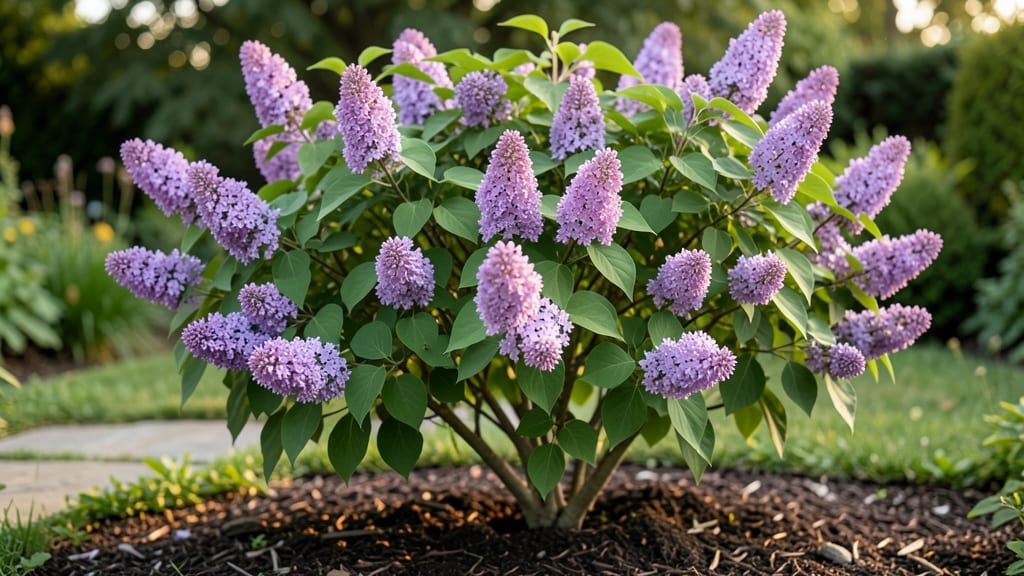
Lilac bloom time arrives with a burst when the air hits 50°F at night and 70°F by day—that sweet, heady fragrance signaling spring’s arrival. 🌸 I’ve watched mine open in late April in Zone 5, then again in July after a heatwave, proving they’re not just one-season wonders.
The timing shifts north to south: New England lilacs bloom weeks earlier than those in Texas, where summer heat can trigger a second flush.
The secret to encouraging these blooms lies in sunlight and pruning. Plant them where they get 6+ hours of sun, and avoid heavy pruning—cutting back too soon removes next year’s flower buds.
My Zone 6 lilacs now produce two blooming cycles because I prune after they finish flowering, not before. The key is patience: lilacs reward delayed gratification with longer vase life and stronger fragrance.
You’ll know you’ve nailed it when clusters of tiny buds form in late summer—proof the plant is preparing for next year’s show.
The fragrance alone makes it worth the wait, but the timing also lets you plan: plant perennials that bloom after lilacs fade, like peonies or roses, for a seamless seasonal display. Even a black-thumbed gardener can master this with basic care.
Works in zones 3-9, though southern lilacs may need afternoon shade to prevent leaf scorch. The heat-triggered second bloom is your secret weapon for extending the season—just don’t prune those summer buds off! Now, let’s talk about choosing the right variety for your climate.
📚 In This Guide
- What you need
- Instructions
- Tips and common mistakes
- Wrapping up and next steps
What you need
- ● Lilac bushes (French, common, or hybrid varieties) – At least 2-3 mature bushes (3+ years old) for best results.
- ● Well-draining potting soil or garden soil mix – 1 bag (1.5–2 cubic feet) per bush if repotting.
- ● Slow-release fertilizer (10-10-10 or 5-10-5 NPK ratio) – 1 lb per bush (spring and early summer applications).
- ● Pruning shears (sharp, sterilized) – 1 pair (clean with rubbing alcohol between cuts).
- ● Watering can or hose with a gentle spray nozzle – 1 unit (for deep, even hydration).
- ○ Thermometer (soil or air) – Optional but helpful to track temps (ideal: 85–95°F for heat stress).
- ● Black plastic mulch or dark landscape fabric – 1 roll (10’ x 20’) to absorb heat around the base.
- ○ Drip irrigation kit (optional) – 1 set for consistent moisture during heatwaves.
- ● Gloves (gardening) – 1 pair (to protect hands during pruning and soil work).
- ● Sunlight access – Full sun (6+ hours/day)—no exceptions!
How to encourage a second lilac bloom with heat triggers
Here’s the method I’ve used for years to coax a second flush of fragrant lilac blooms—no fancy tricks, just smart timing and care.
☀️ Step 1: Identify Your Lilac’s Heat Tolerance
Most lilacs bloom once in spring, but some varieties—like ‘Dwarf Korean’ or ‘Miss Kim’—can produce a second flush if given the right push. First, note when your lilac blooms in spring. This is your baseline. True heat-loving lilacs will start showing new buds when daytime temperatures hit consistently above 75°F for at least 10 days. If your lilac is late to bloom or struggles in heat, it’s not a candidate for this method.
Watch for tiny, fuzzy buds forming along the stems after the first flowers fade. These buds are your signal that the plant is responding to warmth. If your area gets hot summers, you’re already halfway there—just need to manage water and prune correctly to encourage the second bloom.
💧 Step 2: Water Deeply but Sparingly During Bud Formation
Once you spot those first fuzzy buds, reduce watering but keep it deep. Lilacs are drought-tolerant once established, but inconsistent moisture causes buds to drop. Water once a week with 1-2 gallons per plant, soaking the soil to 12 inches deep. Let the top 3-4 inches of soil dry out between waterings—this mimics natural summer rainfall patterns and prevents root stress.
Overwatering now will drown the buds. You’ll know you’re doing it right when the soil around the roots feels dry to the touch at the surface but stays moist deeper down. A soil probe or just digging a finger into the soil helps here.
✂️ Step 3: Prune Strategically After First Bloom
Prune immediately after the first flowers fade, but only if the plant looks healthy. Cut back one-third of the oldest stems to the first set of strong buds below the bloom. This redirects the plant’s energy toward new growth instead of seed production. Avoid pruning in late summer—you’ll risk removing next year’s flower buds.
Here’s the thing—don’t prune more than one-third of the plant at once. You’ll see new shoots emerge within 2-3 weeks. These shoots are your second-flush candidates. If your lilac is young (under 3 years old), skip pruning entirely—it needs all its energy for root growth.
🌿 Step 4: Fertilize Lightly for a Second Push
After pruning, apply a balanced, slow-release fertilizer (10-10-10) around the base of the plant. Use half the recommended dose—too much nitrogen now will give you leafy growth but no flowers. Work the fertilizer into the top 2 inches of soil and water it in well. This feeds the new shoots without overwhelming the plant.
Stop fertilizing 4-6 weeks before your first frost. You’ll see the second buds form along the new stems in 6-8 weeks after pruning. If buds appear but don’t open, your summer heat might not have been consistent enough—try again next year.
⏰ Step 5: Time the Second Bloom for Late Summer
The second flush usually appears 8-10 weeks after the first bloom, often in late summer. To maximize fragrance and color, plant heat-loving varieties like ‘Katherine Havemeyer’ or ‘President Lincoln’—they’re bred to handle the extra heat. If your lilac is older, it may produce smaller blooms the second time, but the scent is just as strong.
Watch for butterflies and bees—they’ll visit the second blooms just like the first. If you live in a hot climate, you might even get a third tiny flush in early fall. Just don’t prune after the second bloom—save it for early spring to shape the plant for next year.
Tips & tricks for perfect lilac bloom timing
Real talk: Getting that second lilac bloom takes patience and precision—but these tricks make all the difference.
Heat Factor: The 75°F threshold isn't just a number—it's your plant's cue to start budding. Use a weather app to track your daily highs. I've seen lilacs respond within 3-5 days of hitting that mark consistently. If your area dips below 75°F for more than 2 days, the buds may drop. A small space heater near the plant (only during the day!) can help in cooler climates.
Watering Wisdom: That once-a-week, 1-2 gallons rule works best when you water in the morning. This gives roots time to absorb moisture before evening evaporation. I test soil moisture by pushing a screwdriver into the ground—if it goes in easily up to 3-4 inches, you're good. If it feels damp at the surface, wait another day. Overwatering here is the #1 reason buds fail to set.
Pruning Precision: When you cut back one-third of the oldest stems, focus on the thickest, woody branches first. These are the ones that hogged energy last season. I mark stems with a paint pen before cutting to visualize which ones to remove. And here's what nobody tells you—if your lilac is over 5 years old, you can safely prune one-half of the oldest stems instead of one-third, as the plant has more reserves.
Fertilizer Timing: That half-dose, 10-10-10 application is crucial, but timing matters just as much. I apply mine right after pruning but before the new shoots appear. If you fertilize too early, you'll get leafy growth instead of flowers. And stop 4-6 weeks before frost—this prevents tender new growth that could be damaged by cold snaps. A slow-release fertilizer like Osmocote works best because it feeds steadily without burning the roots.
Pro Tips for Lilac Bloom Time
- Real talk: Getting that second lilac bloom takes patience and precision—but these tricks make all the difference.
- Heat Factor: The 75°F threshold isn't just a number—it's your plant's cue to start budding.
- Watering Wisdom: That once-a-week, 1-2 gallons rule works best when you water in the morning.
Frequently asked questions
Got questions about lilac bloom time and how to coax a second flowering? Here are some of the most common queries—and answers—from gardeners just like you!
When is the best time to expect lilacs to bloom for the first time?
Most lilacs bloom in late spring (April to early May in the U.S.), depending on your climate zone. Early bloomers like Syringa vulgaris often appear first, while late varieties may wait until May. Cold winters and early warmth trigger buds, so timing varies by region!
How can I tell if my lilac is ready for a second bloom?
Look for healthy, green leaves after the first bloom and no signs of stress (like yellowing or wilting). If your plant has at least 6-8 hours of sunlight daily and well-drained soil, it’s primed for a second flowering—especially if you prune correctly after the first bloom!
What’s the trick to making lilacs rebloom in summer?
Heat and consistent moisture are key! After the first bloom, prune back 1/3 of the oldest stems (but leave new growth) and water deeply 2-3 times per week during dry spells. A light balanced fertilizer (like 10-10-10) in early summer can also encourage reblooming.
Can I force lilacs to bloom out of season?
While lilacs are not as easily forced as some flowers (like poinsettias), you can coax early blooms by protecting buds from late frosts or using row covers. For summer blooms, focus on heat tolerance—some varieties like ‘Dwarf Korean’ handle it better than others.
Why did my lilac bloom once but not again?
Common culprits include over-pruning (cutting back too late or too much), nutrient deficiencies (like lack of phosphorus), or stress from drought/heat. Check for pests (aphids, borers) or disease (powdery mildew), and adjust care—reblooming often takes 2-3 seasons of proper maintenance!
Are there lilac alternatives that bloom twice yearly?
Yes! Try Deutzia (spring/summer blooms), Weigela (reliable rebloomer), or Butterfly Bush (Buddleia)—all thrive in similar conditions. For fragrance, Mock Orange (Philadelphus) is another great pick with two flushes of blooms!
Wrapping up and next steps
Watching lilacs bloom twice in one season is like nature’s own magic trick—and now you’re in on the secret! 🌸 With the right timing, care, and a little heat, you can coax those fragrant blooms back to life. The key? Patience, observation, and a dash of summer warmth.
Ready to turn your garden into a second-season lilac paradise? Start by monitoring your plants this spring, and don’t forget to share your blooming triumphs with fellow gardeners. Happy growing! 🌿✨