
Blooming
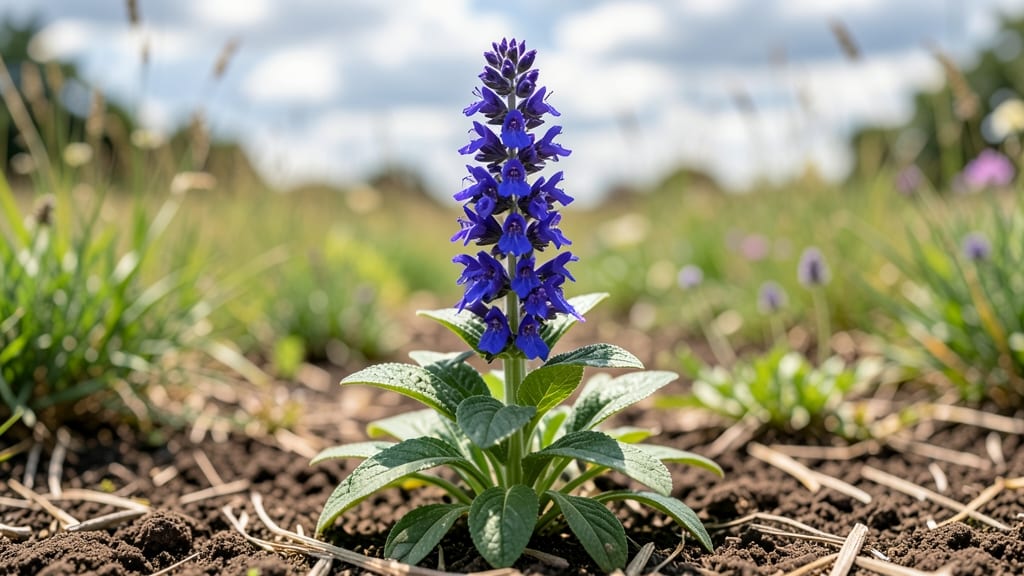
Veronica blooms in late spring through summer 🌸, offering gardeners a vibrant display that lasts longer than most annuals—but only if you know the right timing and care tricks.
Picture this: you’ve planted your Veronica with high hopes, only to watch its flowers fade too soon, leaving bare stems behind. The secret to extending their bloom time isn’t just luck—it’s deadheading at the right moment, feeding them properly, and giving them the perfect spot in your garden.
Most varieties burst into color between June and August, but cooler climates in Zone 6a might push blooms later, while heat-loving types can start as early as May. Sunlight, soil, and even pruning play a bigger role than you’d think.
In this guide, I’ll walk you through the exact steps to time their peak bloom, troubleshoot why yours might be lagging, and share my top deadheading hacks to keep those cascading clusters coming all season long.
Veronica bloom time: seasonal timeline & factors affecting flowering
Veronica plants burst into color with their delicate blue, purple, or white blooms, but their peak flowering windows vary dramatically based on variety and location. Understanding these patterns helps you plan your garden for months of vibrant displays.
Most veronica varieties bloom in late spring to early summer, but some varieties extend into fall with proper care.
Your local climate plays a huge role in bloom timing. In USDA Zones 5-7, veronica typically flowers from May to July, while warmer Zones 8-10 may see blooms as early as March or April and extend through September or October.
Coastal regions often enjoy longer bloom seasons due to milder temperatures.
Here’s a quick reference for common veronica types and their typical bloom windows to help you plan your garden layout:
| Variety | Bloom Season | Peak Months | Sunlight Needs | Height |
|---|---|---|---|---|
| Veronica spicata (Spike Speedwell) | Late spring to early summer | May - June | Full sun to partial shade | 12-24 inches |
| Veronica incana (Woolly Speedwell) | Mid to late summer | July - August | Full sun | 12-18 inches |
| Veronica longifolia (Speedwell) | Early to mid summer | June - July | Partial shade | 24-36 inches |
| Veronica perennis (English Speedwell) | Spring to early summer | April - June | Partial shade | 6-12 inches |
| Veronica pectinata (Purslane Speedwell) | Late spring to fall | May - September | Full sun | 12-18 inches |
Sunlight is the #1 factor affecting veronica bloom time. Most varieties thrive with 6+ hours of direct sun daily, which triggers robust flowering. However, Veronica longifolia and Veronica perennis tolerate partial shade and may bloom later in the season if given 4-6 hours of morning sun.
Avoid deep shade, which delays or prevents flowering entirely.
Soil conditions also influence bloom timing. Veronica prefers well-draining, slightly alkaline soil with a pH between 6.0 and 7.5. Heavy clay soils can cause root rot and stunt blooms, while sandy soils may require organic matter to retain moisture.
Amend your soil with compost or aged manure before planting to create an ideal environment for strong root development and abundant flowers.
Temperature fluctuations can shift bloom windows by weeks. Veronica thrives in moderate climates with daytime temps between 60°F and 75°F. Heatwaves above 85°F may cause blooms to fade prematurely, while cooler 50°F nights encourage longer-lasting flowers.
In hotter regions, provide afternoon shade to protect delicate blooms and extend their season.
Watering habits directly impact bloom timing. Veronica plants need consistent moisture during their active growing season (spring to early fall) but avoid soggy soil, which can lead to root diseases.
Water deeply 1-2 times per week, ensuring the top 2 inches of soil dry out slightly between waterings. Reduce watering in fall and winter to prepare plants for dormancy.
Pruning plays a critical role in controlling bloom time. Lightly trim back spent blooms (deadheading) every 2-3 weeks to encourage new flower production. For perennial varieties, cut back 1/3 of the plant after the first flush of blooms to promote a second flowering cycle in late summer.
Avoid heavy pruning in fall, as this can reduce hardiness over winter.
Regional microclimates can create surprising variations in bloom times. For example, veronica planted in coastal gardens may bloom 2-3 weeks earlier than inland varieties due to cooler temperatures and higher humidity.
Conversely, desert gardens might see delayed blooming until monsoon rains arrive. Observe your local patterns and adjust planting times accordingly for optimal results.
To maximize your veronica’s bloom time, combine these strategies: choose the right variety for your climate, ensure full sun exposure, maintain well-draining soil, and practice regular deadheading.
With these adjustments, you can enjoy veronica blooms from late spring through early fall—turning a seasonal highlight into a garden centerpiece all season long. 🌸
Deadheading veronica flowers: the ultimate hack to extend bloom season
Veronica flowers are stunning additions to any garden, but their bloom time can feel short-lived if you don’t take action. Deadheading—removing spent blooms—is the secret weapon to keep veronica flowering for weeks longer.
This simple technique redirects the plant’s energy from seed production back to producing new vibrant blooms, ensuring your garden stays colorful all season.
Timing is everything with deadheading. For most veronica varieties, like the popular Veronica spicata and Veronica incana, start deadheading as soon as the first blooms begin fading. This usually happens 4-6 weeks after initial flowering, depending on your climate.
Regular deadheading every 7-10 days ensures continuous blooms, while neglecting it can lead to a sudden end to your veronica’s show.
⚠️ Common Deadheading Mistakes to Avoid
- 1. Cutting too far down – Only remove the spent flower cluster, not the entire stem. Leave 2-3 sets of leaves below the bloom to support new growth.
- 2. Deadheading at the wrong time – Never deadhead morning glory veronica (like Veronica chinensis) until all flowers on a stem have faded. Partial deadheading can stunt future blooms.
- 3. Using dull or dirty tools – Always use clean, sharp pruners to avoid spreading disease. A dull blade crushes stems, inviting pests and infections.
- 4. Over-pruning healthy stems – Focus on spent blooms only. Cutting back green, healthy growth reduces the plant’s ability to produce new flowers.
- 5. Ignoring variety-specific needs – Trailing veronica (like Veronica prostrata) needs lighter deadheading than upright varieties. Over-pruning can leave them bare and leggy.
You’ll need just a few basic tools to deadhead veronica effectively. A pair of clean, sharp pruners or even your fingers work well for smaller plants. For larger varieties like Veronica longifolia, use bypass pruners to make precise cuts.
Always sanitize your tools with rubbing alcohol before and after use to prevent disease spread between plants.
Different veronica varieties respond best to slightly different deadheading techniques. For upright varieties like Veronica spicata, pinch off spent blooms just above the next set of leaves.
With trailing types, like Veronica repens, trim back to the base of the flower stem but leave the foliage intact to encourage bushier growth. Always work in the morning when stems are firm and less prone to damage.
Deadheading isn’t just about aesthetics—it’s a growth hack that boosts your veronica’s health. By removing spent blooms, you reduce the plant’s energy drain from seed production and redirect it to root and stem development.
This leads to thicker foliage and more robust blooms later in the season. Plus, a well-maintained veronica plant is less susceptible to pests and diseases that thrive in dense, overgrown foliage.
With consistent deadheading, you can extend your veronica’s bloom time by 6-8 weeks or more. Start early in the season, and don’t stop until late summer or early fall, depending on your climate.
In warmer regions, some varieties may even produce a second flush of blooms with proper care. The key is patience and regularity—your garden will thank you with nonstop color all season long. 🌸