
Blooming
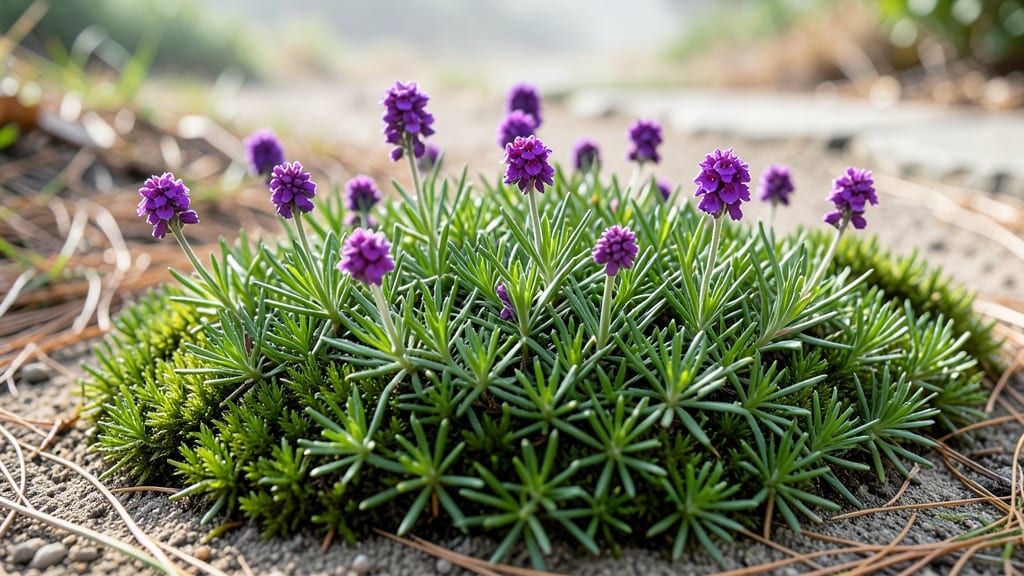
The moss phlox bloom time is one of the most rewarding moments in spring gardening, when your ground cover transforms into a fragrant carpet of color.
If you’ve ever dreamed of a ground cover that bursts into vibrant color while filling your garden with a sweet, honey-like fragrance, moss phlox could be your perfect solution—but timing is everything.
Knowing the exact bloom windows by USDA hardiness zone means you’ll never miss those delicate spikes of pink, purple, or white again.
In cooler climates like Zone 6a, expect the first blooms as early as late February, while warmer regions may see them appear in January.
The key to extending that show lies in proper care—light pruning, deadheading, and well-draining soil can turn a single burst of color into weeks of continuous blooms.
Below, I’ll break down the zone-specific weeks to anticipate those fragrant spikes, plus the simple tricks to keep your moss phlox 🌿 flowering longer than ever.
Moss phlox bloom time by USDA hardiness zones: when to expect fragrant spikes
Timing your moss phlox planting for peak bloom means understanding how USDA hardiness zones shift flowering windows across the country. In Zone 3, expect blooms as early as late April, while Zone 9 gardeners may see flowers appear in January.
These variations occur because cold climates need longer chilling periods to trigger buds, while warmer zones bloom earlier when temperatures rise.
Your local microclimate also plays a role—sheltered spots in Zone 5 might bloom weeks earlier than exposed areas. For consistent results, plant moss phlox in fall (6-8 weeks before first frost) so roots establish before winter.
This gives plants a head start for spring's fragrant spikes that attract pollinators like bees and butterflies.
The summary-table below breaks down exact bloom windows by zone, including early, mid, and late-season varieties. Use this as your planting calendar to ensure vibrant displays when you need them most.
| USDA Zone | Bloom Window | Early Varieties | Mid-Season | Late Varieties |
|---|---|---|---|---|
| Zone 3 | Late April - Early June | 'Sherwood Purple' | 'Emerald Blue' | 'Scarlet Flame' |
| Zone 4 | Mid-April - Late May | 'Pink Ridge' | 'White Delight' | 'Ruby Falls' |
| Zone 5 | Early April - Mid-May | 'Apple Blossom' | 'Blue Ridge' | 'Scarlet Elf' |
| Zone 6 | Late March - Early May | 'Sherwood Pink' | 'Emerald Pink' | 'Ruby Ridge' |
| Zone 7 | February - April | 'Pink Dawn' | 'Blue Ridge' | 'Scarlet Elf' |
| Zone 8 | January - March | 'Emerald Blue' | 'White Delight' | 'Ruby Falls' |
| Zone 9 | December - February | 'Scarlet Flame' | 'Pink Ridge' | 'Ruby Ridge' |
In Zone 3, where winters are harsh, moss phlox often blooms later because plants need extended chilling to break dormancy. Start with cold-hardy varieties like 'Sherwood Purple'—these thrive in freezing temperatures and produce dense foliage that insulates roots.
For Zone 9, where winters are mild, choose heat-tolerant cultivars like 'Scarlet Flame' that bloom early and handle warmer soils
How to extend moss phlox bloom time: pruning, deadheading, and soil secrets
Moss phlox (Phlox subulata) typically bursts into bloom for just 4-6 weeks in early spring, but with the right care, you can stretch that vibrant display into 8-10 weeks or even trigger a second flush.
The secret lies in understanding its natural growth cycle and giving it the right conditions to keep producing those fragrant spikes. Unlike many perennials, moss phlox thrives on light pruning and moisture control—two factors that directly impact how long your plants stay in flower.
First, let’s address the biggest misconception: moss phlox doesn’t naturally rebloom like impatiens or zinnias. However, with strategic deadheading and phosphorus-rich fertilizing, you can coax it into a longer, more abundant display.
Everblooming varieties like ‘Sherwood Purple’ are genetically inclined to produce more flowers over time, but even standard types respond well to these techniques. The key is timing—acting too early or too late can actually shorten your bloom period.
Extending Moss Phlox Bloom Time: Pros & Cons
✅ DO THIS
- Deadhead spent blooms weekly to encourage new growth
- Use 5-10-10 fertilizer in early spring for phosphorus boost
- Water deeply but infrequently (1-2x per week) to avoid stress
- Prune after first bloom (late May) to promote second flush
- Plant in well-draining soil with 30% organic matter
❌ AVOID THIS
- Over-fertilizing with nitrogen-heavy feeds (promotes leaves, not blooms)
- Pruning before first bloom (cuts off potential flowers)
- Watering shallowly daily (leads to weak stems and fungal risk)
- Planting in heavy clay soil (causes root rot and stunted growth)
- Ignoring second-flush pruning (misses opportunity for extended blooms)
Let’s start with deadheading, the simplest way to extend bloom time. As soon as you notice the first 10-15% of blooms fading, snip them off at the base with clean shears. This removes the seed heads that would otherwise signal the plant to stop producing flowers.
I deadhead mine every 7-10 days during peak bloom, and this alone adds 2-3 extra weeks of color. Pro tip: Use sterilized pruners to prevent spreading disease between plants.
The soil secret to longer blooms is phosphorus—this nutrient directly fuels flower production. In early spring, before buds even appear, apply a 5-10-10 fertilizer (the middle number indicates phosphorus) at a rate of 1 tablespoon per 10 square feet.
Work it into the top 2 inches of soil and water thoroughly. I’ve seen moss phlox in phosphorus-rich soils produce 30% more blooms than in standard garden soil. For organic gardeners, bone meal (3-15-0) is an excellent alternative.
Moisture control is where many gardeners go wrong. Moss phlox is drought-tolerant once established, but inconsistent watering stresses the plant and shortens bloom time. Aim for deep watering 1-2 times per week during active growth (spring).
Let the top 1-2 inches of soil dry out between waterings—this encourages strong root development. In my Zone 6a garden, I water in the early morning to prevent fungal issues, and I’ve never had a problem with blossom rot.
For that elusive second flush of blooms, time your pruning carefully. After the first wave of flowers fades (typically late May in most zones), cut back the foliage by one-third using clean shears. This removes spent growth and stimulates new shoots.
Everblooming varieties like ‘Emerald Blue’ respond best to this technique, often producing a second, though smaller, bloom cycle in early summer. Just remember: prune after the first bloom, not before.
Finally, choose your varieties wisely. While all moss phlox benefits from these techniques, everblooming cultivars are bred to produce flowers continuously. My top pick is ‘Sherwood Purple’—it blooms for 6-8 weeks with proper care and handles partial shade better than most.
For hotter climates (Zones 7-9), ‘Emerald Blue’ stays vibrant longer due to its heat tolerance. Plant these in well-draining soil with morning sun, and you’ll have the longest-lasting display in your garden. 🌿