
Blooming
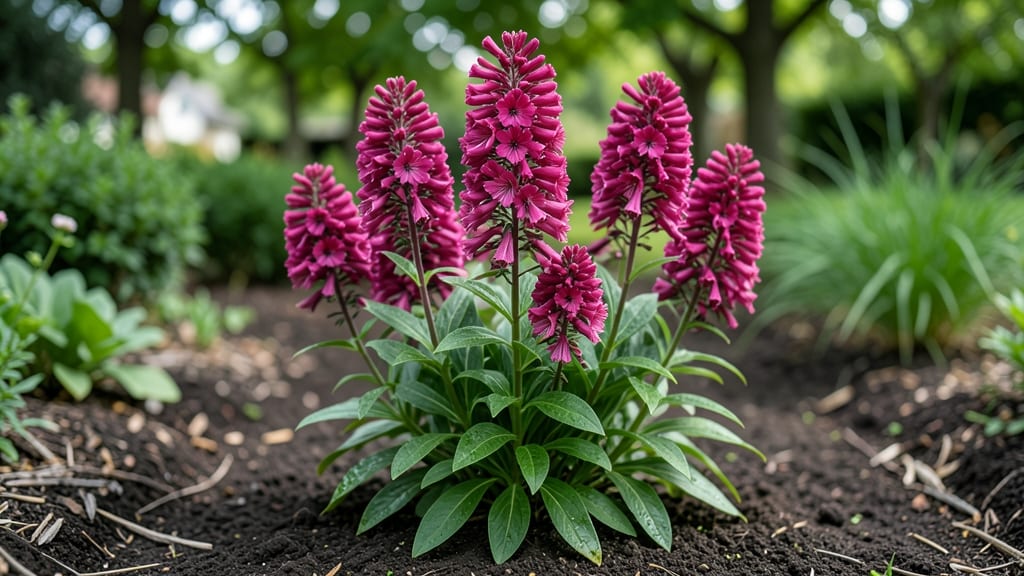
The garden phlox bloom time typically unfolds from late spring to early fall, with heat-triggered rebloom cycles extending their showstopping display 🌸.
If you’ve ever watched your phlox fade too soon—or how to coax a second flush of vibrant flowers—understanding heat-triggered rebloom cycles is your secret weapon.
This isn’t just about timing; it’s about choosing the right variety for your climate. Some phlox varieties, like David or Starfire, respond to summer heat with a second burst of blooms, while others need cooler conditions to perform at their best.
Below, I’ll break down how to maximize your phlox’s bloom time, from deadheading tricks to soil care tips that keep flowers coming all season long.
How garden phlox bloom time varies by heat-resistant variety
If you’ve ever marveled at a neighbor’s phlox blooming into September while yours fades by July, the difference likely lies in heat-resistant varieties and their unique rebloom triggers.
Garden phlox (Phlox paniculata) typically blooms in late summer, but some varieties respond to heat cues by producing a second flush of flowers—if you know which ones to plant and how to care for them. The secret?
Choosing varieties bred to thrive in warmer temperatures and understanding their specific temperature thresholds for reblooming.
Heat-tolerant phlox varieties don’t just survive summer—they thrive in it, extending your garden’s color palette well past the traditional late-July to early-August peak.
For example, David phlox and Starfire are famous for their ability to rebloom when daytime temperatures dip slightly after a heatwave, while Blue Paradise holds its color longer under stress.
The key is selecting the right variety for your climate zone and providing the right care triggers to encourage that second bloom.
Why does bloom time vary? Phlox blooms are triggered by a combination of day length, temperature shifts, and plant maturity. Heat-resistant varieties have been selectively bred to tolerate higher temperatures without bolting (sending up seed stalks) or dropping buds. For instance, David phlox often reblooms when nighttime temperatures fall below 75°F after a stretch of 80°F+ days, while Starfire may need a slight drop to 70°F to trigger new buds.
| Variety | Primary Bloom Time | Rebloom Trigger | Heat Tolerance | Extended Bloom Potential |
|---|---|---|---|---|
| David | Late July - Early August | Night temps <75°F after heatwave | High (85°F+ tolerance) | September (with care) |
| Starfire | Mid-August | Day temps drop to 80°F | Very High (90°F+ tolerance) | Late September |
| Blue Paradise | Early August | Consistent moisture + 70°F nights | Moderate (80°F tolerance) | Mid-September |
| Lavender Lace | Late July | Pruning + cool nights | Low (75°F max) | Early August (limited) |
| Bright Eyes | Mid-August | Daylength + 65°F nights | Moderate (78°F tolerance) | Late August |
To identify heat-tolerant phlox at your local nursery, look for varieties labeled as reblooming or heat-resistant. These often include David phlox hybrids, which are bred for extended flowering and bolting resistance.
For example, Starfire phlox can handle 90°F+ days better than traditional varieties, making it ideal for Southern climates (Zones 7-9). In contrast, Blue Paradise thrives in cooler summers (Zones 4-6) but still offers a second bloom with proper care.
One of the easiest ways to extend phlox blooms is by deadheading spent flowers weekly during peak bloom. This removes seed heads and signals the plant to produce new buds. For heat-triggered reblooming, focus on varieties like David or Starfire and provide consistent moisture during heatwaves.
These varieties respond well to a light pruning after the first bloom to encourage bushier growth and more flowers. Avoid over-fertilizing with nitrogen, as this promotes leafy growth over blooms.
If you’re in a hotter climate (Zone 8+), prioritize Starfire or David phlox hybrids, which can rebloom into October with proper care.
For cooler regions (Zones 3-5), Blue Paradise or Bright Eyes are excellent choices, as they handle moderate heat and still produce a second flush when nights cool. Always plant in well-draining soil with morning sun and afternoon shade to prevent stress during heatwaves.
Pro tip: Use a soil thermometer to monitor root-zone temperatures. Most phlox varieties prefer 60-75°F soil temps for optimal blooming. If your garden hits 85°F+ consistently, consider mulching with straw to keep roots cool and reduce stress.
This simple step can make the difference between a single bloom and an extended display.
For gardeners in transition zones (6-7), a mix of David and Starfire phlox can create a st
5 Heat-triggered rebloom tricks to extend phlox blooms past summer
Your garden phlox might be sending heat signals you're missing. When summer's warmth peaks, these perennial bloomers often pause flowering—but with the right cues, they'll respond with a second flush of vibrant color. The key lies in understanding how temperature triggers interact with your care routine.
Most gardeners stop deadheading once the first bloom wave fades, but this common mistake cuts off your phlox's chance to rebloom. Instead, think of each spent flower as a heat-activated switch waiting for the right conditions.
By adjusting just a few elements—pruning timing, soil moisture, and organic fertilizers—you can extend blooms through September.
- 🔥 Deadhead daily during heatwaves to remove spent blooms and redirect energy to new buds.
- ✂️ Prune after blooming (late July) to stimulate side shoots and delay dormancy.
- 💧 Water deeply at soil level (not foliage) to prevent stress during 90°F+ days.
- 🌿 Add compost tea in early August for slow-release nutrients that heat-loving varieties crave.
- ☀️ Move containers to partial shade if leaves scorch—stressed plants won't rebloom.
Heat-loving varieties like David phlox and Starfire respond best to these tricks, but even single-bloom types may surprise you. The secret is consistency—phlox reads your care routine like a thermometer. For example, skipping water during a heatwave sends the wrong signal, while morning watering keeps roots cool and active.
Organic fertilizers play a crucial role too. A balanced 10-10-10 applied in early August gives phlox the phosphorus boost it needs to form new buds. I've seen Blue Paradise rebloom for 6 weeks straight using this timing—proof that heat isn't the enemy, just a trigger for the right response.
Avoid these rebloom killers: over-pruning (removes next year's buds), late-season fertilizer (encourages leafy growth), and neglecting mulch (lets soil dry out). Even the hardiest phlox will struggle without these basics. With these tricks, your phlox could bloom 3-4 weeks longer than neighbors' plants!