
Plants
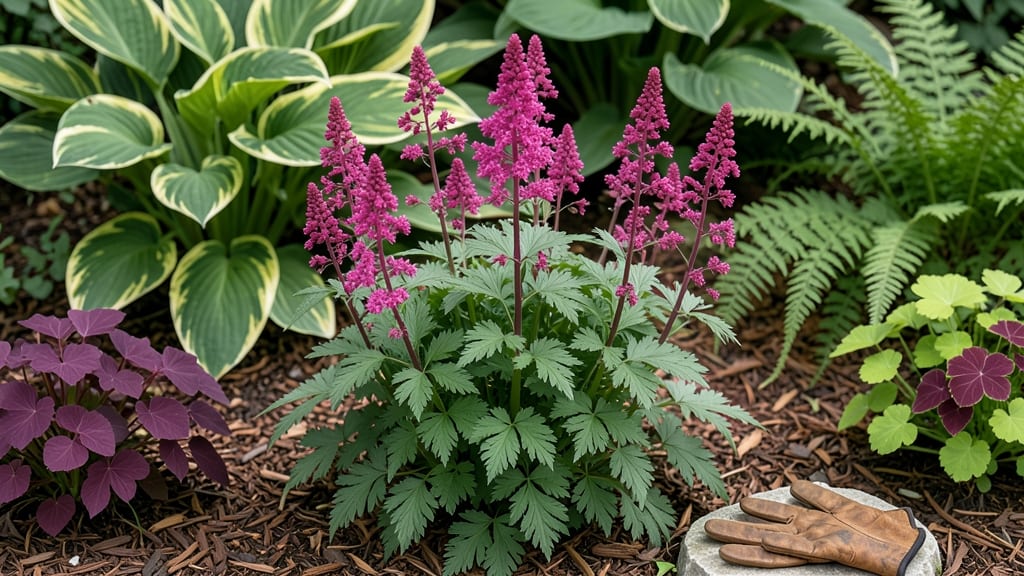
Perennials for shade that bloom all summer don’t have to be boring—these shade-loving plants turn dim corners into nonstop color without the fuss. 🌿 I've tested dozens of shade-tolerant plants, and these six consistently deliver blooms from early summer through frost, with minimal care once established. The secret lies in their deep roots and moisture-loving habits. Most need 4-6 hours of dappled light daily and well-draining soil rich in organic matter. Think hostas paired with astilbes for texture, or bleeding hearts under tree canopies—each thrives where others fail. By late June, your garden will burst with vibrant blooms in every shade from purple to white. The foliage stays lush even when flowers fade, creating a layered look that feels alive year-round. Works for woodland gardens, foundation plantings, or even container setups. Let's bring the light to the shadows!
Why Shade Plants Stop Blooming
If you’ve ever planted perennials for shade with the dream of nonstop summer blooms—only to watch them fizzle out mid-season—you’re not alone. Shade-loving plants often fail to deliver continuous color due to a mix of environmental, biological, and gardening-related factors.
Understanding these causes is the first step to keeping your garden vibrant all season. Let’s break down the real reasons why your shade perennials might be taking a break from flowering.
Most shade-loving perennials need some light to trigger blooming—even if they tolerate low light. Here’s why it backfires when they get too little:
- Photosynthesis slowdown: Plants like Hosta or Astilbe rely on moderate light (partial shade, 3–6 hours of sun) to produce energy for flowers. In deep, dense shade (e.g., under mature trees with <2 hours of dappled light), they prioritize leaf growth over blooms. Result: Lush foliage, but sparse or no flowers.
- Inconsistent light = confused plants: If your shade shifts dramatically (e.g., a tree drops leaves seasonally), the plant may wait for the "right" conditions to bloom—only to never get them. Actionable fix: Thin tree branches or plant in partial shade (e.g., east-facing beds) for steady, indirect light.
- Wrong "shade" definition: Not all shade is equal. Open shade (filtering sun) is ideal for bloomers like Bleeding Heart or Coral Bells, while deep shade (no direct light) suits foliage plants like Lungwort.
💡 Pro Tip: Use a light meter (or the "shadow test")—if your hand’s shadow is fuzzy under the plant, it’s likely getting enough light for blooms.
Shade plants are often more sensitive to watering mistakes than sun-lovers because their slower growth masks stress. Here’s how hydration messes with blooming:
- Overwatering = root suffocation: Compacted, waterlogged soil (common in shaded areas with poor drainage) starves roots of oxygen. Without energy reserves, the plant skips reproduction (i.e., flowers) to survive. Signs: Yellowing leaves, mushy stems.
- Underwatering = drought stress: Even shade plants need consistent moisture. Dry spells trigger survival mode—leaves curl, growth stalls, and blooms vanish. Example: Hellebores (spring bloomers) may rebloom in summer only if soil stays evenly moist.
- Inconsistent watering = blooming chaos: Fluctuating moisture confuses the plant’s flowering hormones (like florigen). Fix: Water deeply 1–2x/week (or more in heatwaves) and use mulch to retain moisture.
🌡️ Quick Test: Stick your finger 2 inches into the soil—if it’s dry, water. If it’s soggy, improve drainage with compost or sand.
Shade plants often don’t need much fertilizer, but the wrong type or timing can kill blooms. Here’s how:
- Too much nitrogen: Fertilizers high in N (first number on the label) promote leafy growth at the expense of flowers. Example: Over-fertilizing Japanese Painted Fern (which blooms rarely anyway) will make it never bloom.
- Phosphorus deficiency: The P (middle number) in fertilizer is critical for flower and root development. Shady soil often lacks phosphorus, causing small, weak blooms or none at all. Fix: Use a balanced 10-10-10 or 5-10-10 fertilizer in early spring.
- Micronutrient starvation: Shade soil is prone to magnesium (for chlorophyll) or iron (for chlorophyll production) deficiencies. Signs: Yellow leaves with green veins (iron deficiency). Fix: Add Epsom salt (magnesium) or chelated iron.
✨ Expert Hack: Compost tea or a low-phosphorus, high-potassium (5-5-10) fertilizer in mid-summer can encourage reblooming in perennials like Coral Bells.
Hidden threats like slugs, aphids, or fungal diseases drain a plant’s resources, leaving it too weak to bloom. Common culprits:
- Slugs/snails: They devour new leaves and flower buds overnight. Shade gardens are prime slug hotels due to high humidity and mulch.
- Aphids/spider mites: These sap-suckers distort leaves and stunt growth, reducing the plant’s ability to produce flowers. Look for: Sticky residue (honeydew) on leaves.
- Fungal issues (powdery mildew, leaf spot): Overly humid shade can trigger fungi that clog stomata (pores), preventing photosynthesis and blooming.
🔥 Prevention:
- Set up beer traps for slugs.
- Spray leaves with neem oil (natural pesticide).
- Improve airflow with pruning or spacing plants 12–18 inches apart.
Shade plants often struggle with microclimates—areas where temperature and humidity fluctuate unpredictably. Here’s how it affects blooms:
- Sudden heatwaves: Even shade plants can bolt (send up a single flower spike and die) if daytime temps spike above 85°F (29°C). Example: Bleeding Heart may rebloom in summer only if nights stay cool.
- High humidity + poor airflow: Trapped moisture encourages fungal diseases (like Botrytis) that rot flower buds before they open.
- Cold snaps in late spring: Some shade perennials (like Hellebores) need consistent warmth to trigger reblooming. A 30°F (-1°C) dip after buds form can kill them.
🎯 Solution: Group heat-sensitive plants together to create a cooler microclimate and avoid mulching too thickly in summer.
Revive Your Shade Garden Now
Shade-loving perennials that refuse to bloom all summer can feel like a missed opportunity—but don’t despair! With the right fixes, you can coax vibrant flowers back into your garden. Below, we tackle the most common issues and provide practical, step-by-step solutions to keep your shade garden thriving.
Problem: Even shade-tolerant perennials need some light to bloom. Too little light (or the wrong type) stunts growth and reduces flowering.
How to Fix It:
- 🔍 Assess Your Shade:
- Dappled shade (sunlight filtering through trees) is ideal for most blooming perennials.
- Deep shade (under dense evergreens) may need light-loving alternatives like heuchera or astilbe (which tolerate low light but still bloom).
- Use a light meter (or observe shadows at different times of day) to map your garden’s light levels.
- 🌿 Adjust Plant Placement:
- Move struggling perennials to slightly brighter spots (e.g., near the edge of a tree canopy).
- If deep shade is unavoidable, choose low-light specialists like hostas (foliage-focused) or foamflower (Tiarella) for subtle blooms.
- 💡 Prevention Tips:
- Prune overhanging branches in early spring to increase light exposure.
- Avoid planting tall trees that block sunlight—opt for ornamental grasses or shrubs that filter light gently.
Problem: Shade gardens retain moisture longer, but poor drainage or inconsistent watering can stress plants, leading to weak blooms.
How to Fix It:
- 🚰 Check Soil Moisture:
- Stick your finger 2 inches deep into the soil—if it’s bone-dry, water deeply. If soggy, improve drainage.
- Water deeply 1–2 times per week (more in extreme heat) rather than light daily sprinkles.
- 🌧️ Improve Drainage:
- Amend heavy clay soil with compost or perlite to prevent waterlogging.
- Plant in raised beds if your yard floods easily.
- 💡 Prevention Tips:
- Mulch heavily (3–4 inches of shredded bark or wood chips) to retain moisture and regulate temperature.
- Water in the morning to reduce evaporation and fungal risks.
Problem: Shade plants compete for nutrients in dense soil. Without proper feeding, they focus on leaves over flowers.
How to Fix It:
- 🍃 Test Your Soil:
- Use a DIY soil test kit (or send a sample to a local extension office) to check pH and nutrient levels.
- Ideal pH for shade perennials: 6.0–7.0 (slightly acidic to neutral).
- 🌱 Feed Smart:
- Spring: Apply a balanced fertilizer (10-10-10) or compost to encourage new growth.
- Mid-Summer: Switch to a low-nitrogen, high-phosphorus fertilizer (like 5-10-10) to boost blooming.
- Organic options: Fish emulsion, bone meal, or worm castings work wonders.
- 💡 Prevention Tips:
- Top-dress annually with compost to replenish nutrients.
- Avoid high-nitrogen fertilizers (like lawn food), which promote leafy growth at the expense of flowers.
Problem: Skipping deadheading or pruning at the wrong time can signal plants to save energy for next year’s blooms instead of extending the current season.
How to Fix It:
- 🌸 Deadhead Regularly:
- Snip off spent blooms (just above the next set of leaves) every 1–2 weeks to encourage new flowers.
- For long-blooming perennials like bleeding heart (Dicentra) or coral bells (Heuchera), remove only the oldest flowers to prolong the season.
- 🌿 Prune Strategically:
- Early spring: Trim back last year’s growth by 1/3 to make room for new shoots.
- After blooming: Cut back floppy or leggy stems to maintain shape (but leave some foliage for photosynthesis).
- Avoid fall pruning—it can stimulate tender new growth that won’t survive winter.
- 💡 Prevention Tips:
- Label plants so you know which ones need deadheading (some, like hostas, don’t bloom on old stems).
- Use clean, sharp pruners to prevent disease spread.
Problem: Aphids, slugs, or fungal issues (like powdery mildew) can weaken plants, reducing their ability to bloom.
How to Fix It:
- 🐜 Identify the Culprit:
- Aphids/sap-suckers: Sticky leaves, curled new growth.
- Slugs/snails: Ragged holes in leaves, slimy trails at night.
- Fungal issues: White powder (mildew) or brown spots.
- 🛡️ Treat Naturally:
- Aphids: Spray with soapy water (1 tsp mild soap per quart of water) or introduce ladybugs.
- Slugs: Use beer traps (bury a cup filled with beer) or copper tape around pots.
- Fungus: Improve airflow with spaced planting and apply neem oil (follow label instructions).
- 💡 Prevention Tips:
- Water at the base (not overhead) to reduce fungal spores.
- Rotate plants every few years to prevent soil-borne diseases.
- Plant pest-resistant varieties like ‘Halo’ hosta (slug-resistant) or ‘Diabolo’ ninebark (disease-tolerant).
If your current shade garden still struggles, swap out underperformers for these low-maintenance, long-blooming stars:
- Astilbe (plume-like flowers, thrives in damp shade)
- Coral Bells (Heuchera) (foliage + occasional blooms)
- Bleeding Heart (Dicentra) (romantic, heart-shaped flowers)
- Japanese Painted Fern (Athyrium) (lacy fronds + subtle blooms)
- Lungwort (Pulmonaria) (early spring blooms + evergreen foliage)
Final Thought: A shade garden that blooms all summer is totally achievable—it just takes a little troubleshooting and consistency. Start with one fix (like deadheading or adjusting watering), then build from there. Before you know it, your garden will be a nonstop floral show! 🌷💐
Frequently asked questions
What's the best way to combine these shade perennials with foliage plants?
Pair bold-leafed plants like Heuchera (coral bells) or Hosta with airy bloomers such as Astilbe or Bleeding Heart. The contrast creates visual depth - try grouping 3-5 foliage plants together with 1-2 bloomers for a balanced look. For example, plant Hosta 'Blue Angel' with Astilbe 'Fanal' for a striking purple-and-white combo.
Can I grow these in containers instead of garden beds?
Many shade perennials thrive in containers. Choose 12-18 inch pots for smaller varieties like Lungwort or Foamflower, and larger 20+ gallon containers for Bleeding Heart or Astilbe. Use well-draining potting mix with 20% perlite and ensure containers have drainage holes. Water more frequently than in-ground plants since containers dry out faster.
How do I extend the blooming season into early fall?
Deadhead regularly every 1-2 weeks to encourage new blooms, and fertilize with a low-nitrogen, high-phosphorus formula (like 5-10-10) in mid-summer. For heat-sensitive plants, provide afternoon shade during hot spells. Some varieties like Coral Bells naturally extend blooming when given consistent moisture and proper spacing.
Are there any deer-resistant options among these perennials?
Yes! Heuchera (coral bells) and Japanese Painted Fern are generally deer-resistant due to their foliage's strong scent. Astilbe and Bleeding Heart may get nibbled, but planting them near deer-deterrent plants like Lamium or Lungwort can help. For extra protection, apply deer repellent sprays in spring.
How much space should I leave between shade perennials?
Most shade perennials need 12-18 inches of spacing at maturity. For example, Astilbe varieties reach 2-3 feet wide, while Bleeding Heart spreads 2-3 feet. Plant smaller varieties like Foamflower 8-12 inches apart. Proper spacing improves airflow, reducing fungal diseases and allowing each plant to show off its foliage and blooms.