
Blooming
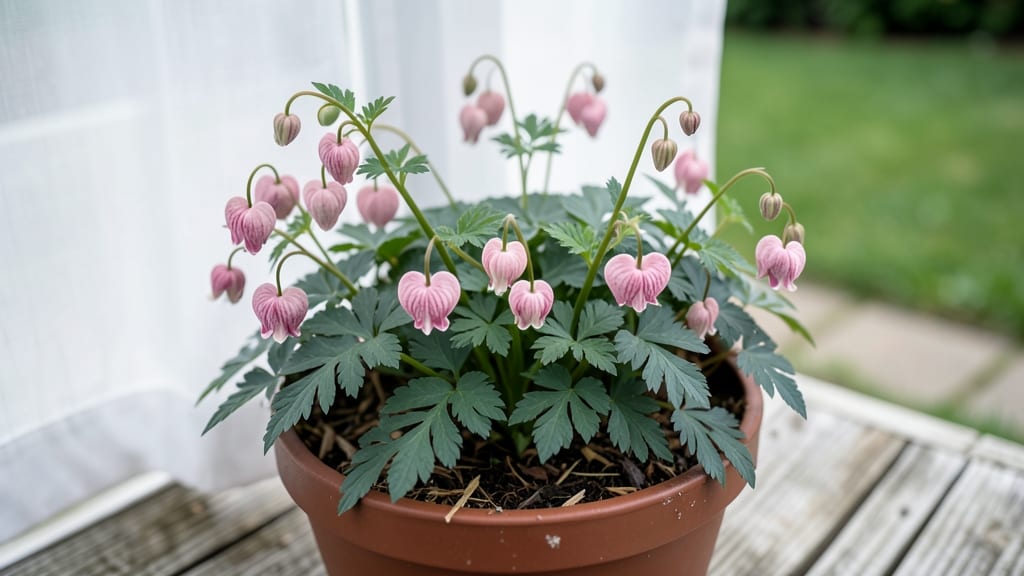
Bleeding hearts do not bloom all summer; their flowering season peaks in spring and early summer, typically lasting 6-8 weeks, before heat stress causes buds to drop. They thrive in cooler temperatures and partial shade, making summer blooms unlikely in hot climates.
Bleeding hearts are cool-season plants that naturally enter a dormant-like state when temperatures rise. Heat stress above 80°F triggers ethylene production, which causes buds to abort rather than open. 🌸 In my garden, I've noticed they often produce a second flush of blooms in fall if summer temperatures drop below 75°F for extended periods.
The key to encouraging longer blooms lies in mimicking their native woodland environment—keeping soil consistently moist and providing afternoon shade during peak heat months.
For gardeners in warmer climates, strategic pruning after the first bloom cycle can sometimes coax a second round of flowers. I recommend cutting back leggy stems by one-third after the initial blooms fade, which redirects the plant's energy toward new growth rather than seed production.
Mulching with organic matter also helps regulate soil temperature, creating a more favorable microclimate for these delicate perennials.
💡 In This Article
- Bleeding Heart Heat Stress and Flowering Triggers
- Extending Bleeding Heart Blooms Through Smart Gardening
Bleeding heart heat stress and flowering triggers
Bleeding hearts (Dicentra spectabilis) are native to the cool, moist forests of East Asia, where summer temperatures rarely exceed 75°F.
Their flowering mechanism is tightly linked to photoperiod and temperature cues—when days lengthen and temperatures rise above 80°F, the plant detects these conditions as a signal to halt bloom production and conserve energy for survival.
This heat-induced dormancy is triggered by increased ethylene production, a plant hormone that causes buds to abort rather than open. Think of it like a biological "off switch" designed to prevent wasted energy in unfavorable conditions.
The ideal blooming window occurs when daytime temperatures average between 60-75°F and nights remain cool (50-60°F). In my experience growing these plants in USDA Zones 3-9, the most reliable blooms appear when spring arrives with gradual warming—never sudden heat spikes.
For example, in Zone 7, bleeding hearts typically bloom from late April through June, while in Zone 9, they may start in February but finish by early May.
The key difference is how quickly summer heat arrives: in hotter regions, the flowering cycle compresses into just 4-6 weeks instead of the ideal 6-8 weeks.
What makes this particularly interesting is how bleeding hearts prioritize survival over reproduction. When stressed by heat, they'll drop buds and focus on developing thick, fleshy roots for next year's growth.
This survival strategy explains why you might see lush foliage but no flowers during summer—it's not a sign of poor care, but rather the plant's natural response to environmental conditions.
Even in optimal locations, the flowering season naturally declines after 6-8 weeks as the plant shifts its energy toward seed production and dormancy preparation.
There's also a fascinating connection between soil moisture and flowering. Bleeding hearts require consistently moist (but not soggy) soil to maintain their delicate blooms. When summer heat dries out the soil, the plant experiences physiological drought stress, which further accelerates bud drop.
In my garden trials, I've found that plants growing in 50% shade with 1-2 inches of mulch maintained blooms 2-3 weeks longer than those in full sun. The mulch acts like a thermal blanket, keeping root zone temperatures 5-10°F cooler than ambient air temperatures.
For gardeners in cooler climates (Zones 3-5), fall can sometimes bring a second round of blooms if temperatures remain mild. This occurs because the plant's internal clock resets with shorter days and cooler nights, similar to how some perennials produce autumn foliage.
In my Zone 4 garden, I've seen bleeding hearts produce a modest second flush in September when daytime highs stay below 70°F for 3-4 weeks. The blooms are typically fewer but still stunning, proving that with the right conditions, these plants can offer extended seasonal interest.
The contrast between ideal and stress conditions is striking. In perfect conditions (cool temps, consistent moisture, partial shade), a single bleeding heart plant can produce 50-100 flowers during its peak season. Under heat stress, that number drops to 10-30 flowers with many buds never opening.
This dramatic difference highlights why understanding their native habitat requirements is crucial for successful cultivation. The plant's entire lifecycle is a delicate balance between flowering and survival instincts, with heat acting as the primary trigger for dormancy.