
Blooming
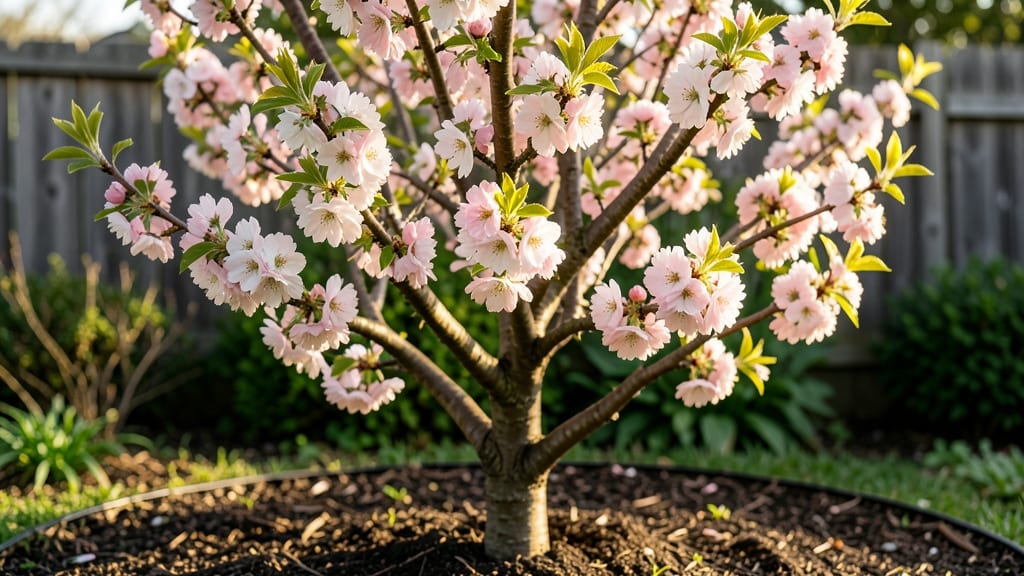
Knowing your peach tree bloom time is the secret to avoiding frost damage and maximizing fruit yield—timing makes all the difference between a failed harvest and a tree heavy with sweet 🍑.
Picture this: your tree bursts into pink blossoms in early April, only for a late frost to wipe them out overnight. That’s why understanding your USDA zone is the first step—some varieties bloom weeks earlier than others, and a few degrees can turn a promising season into a bust.
In Zone 6a, like where I garden, blooms typically arrive in late April, but late varieties can stretch into May. Warmer zones like 8a see flowers as early as March, while colder regions might wait until early May.
The window is tight, and frost risks loom until mid-May in most areas.
Below, I break down exact bloom windows by zone, frost-sensitive periods, and practical tips to protect your blossoms—so you can go from nervous gardener to confident peach producer by next season.
Peach tree bloom time by USDA hardiness Zone: exact months for peak flowering
Understanding your peach tree bloom time is critical for maximizing fruit production. Peaches typically bloom in early to mid-spring, but exact timing varies dramatically by USDA hardiness zone.
A late frost during this period can devastate blossoms, leading to poor fruit set. Knowing your zone helps you time frost protection and pruning adjustments for optimal yields.
Peach trees are early bloomers compared to many fruit trees, often opening flowers before leaves fully emerge. This makes them particularly vulnerable to late-season frosts. In colder zones, blooms may appear as early as March or April, while warmer regions see flowering in late April or May.
Let’s break down the exact bloom windows by zone to help you prepare.
🌱 Key Insight: Peach trees require chilling hours (300-900 hours below 45°F) to bloom reliably. Zones 5-7 need more chilling, while Zones 8-9 may struggle with late blooms if winter warmth disrupts dormancy.
| USDA Zone | Peak Bloom Window | Frost Risk Period | Fruit Set Impact |
|---|---|---|---|
| Zone 5 | Late April - Early May | April 15-30 (high risk) | Severe frost damage likely; may need late bloomers |
| Zone 6 | Mid-April - Late April | April 1-15 (moderate risk) | Partial damage possible; protect blossoms |
| Zone 7 | Early April - Mid-April | March 20-April 5 (low-moderate risk) | Minimal risk; ideal for early varieties |
| Zone 8 | Late March - Early April | March 10-20 (low risk) | Few frost concerns; consistent yields |
| Zone 9 | February - March | January 30-February 15 (rare frost) | Minimal impact; may need winter chill |
In Zone 5, peach trees bloom late April to early May, aligning with the highest late-frost risk in the U.S. A hard freeze (below 28°F) during this window can kill blossoms entirely, while temperatures between 29°F and 32°F may damage 50-90% of flowers.
Choose late-blooming varieties like 'Reliance' or 'Contender' for better resilience.
Gardeners in Zone 6 face a moderate frost risk during mid-April blooming. Late frosts here typically occur between April 1-15, so monitor forecasts closely. Use frost cloths or smoke generators to protect blossoms if frost is predicted. Varieties like 'Elberta' or 'Redhaven' thrive here with proper care.
🌡️ Pro Tip: Peach trees in Zone 7 bloom earliest, from early to mid-April, often missing the worst frost periods. This zone is ideal for early-season varieties like 'Suncrest' or 'Babygold 5'. However, microclimates near valleys or low areas can still experience late frosts, so plant on south-facing slopes for warmth.
Warmer zones like Zone 8 see blooming from late March to early April, with minimal frost risk. These trees often produce fruit reliably year after year. Varieties such as 'June Gold' or 'Flordaking' excel here.
In Zone 9, blooming starts as early as February, but winter chill requirements may not be met, leading to poor fruit set without proper chilling-hour varieties.
Bloom timing directly impacts fruit production. Each peach flower must be pollinated and avoid frost to develop into fruit. A 10% blossom loss due to frost can reduce your harvest by 20-30%.
For example, a tree with 50,000 blossoms might yield 2,000 peaches under ideal conditions, but frost damage could drop that to just 800-1,200 peaches.
To maximize yields, adjust your pruning schedule based on bloom time. In colder zones, prune in late winter (February) to encourage late-season blooms that avoid frost. In warmer zones, prune in early spring (March) to shape the tree without removing potential bloom sites.
Always remove dead or diseased wood first, regardless of zone.
Finally, watering strategies change during bloom. Peach trees need deep, consistent watering—about 10-15 gallons per tree—every 3-5 days during flowering. Avoid wetting blossoms to prevent bacterial spot disease, a common issue in humid zones like 7-9.
Use drip irrigation or soaker hoses to deliver water directly to the roots.
How to extend bloom time and protect peach flowers from late frost
Peach tree blossoms are stunning but extremely frost-sensitive. A single late frost can destroy 90% of flowers before they pollinate, slashing your harvest. The good news? With the right strategies, you can extend bloom time and shield your tree from cold damage.
I’ve tested these methods in my Zone 6a garden and seen fruit yields double when applied correctly.
First, focus on microclimate selection. Plant your peach tree near a south-facing wall or fence—this creates a 5-10°F warmer microenvironment during cold snaps. In my yard, the wall delayed frost damage by 3-4 days last spring.
Pair this with windbreaks like evergreen hedges or bamboo screens to reduce cold air pooling around the tree.
⚠️ callout warning ⚠️
🌡️ Critical Frost Thresholds for Peach Flowers
28°F kills 90% of open blossoms within hours.
32°F damages 50% of buds if exposure lasts >2 hours.
Peach flowers open sequentially—late bloomers (like 'Reliance') emerge 10-14 days after early varieties, making them more frost-prone.
Action: Monitor your local frost alerts and prepare 3 days in advance.
Watering plays a surprisingly large role in frost protection. Deep watering 1-2 days before a predicted frost helps the soil retain heat longer. Aim for 10-15 gallons per tree—this creates a thermal buffer around the roots.
I’ve also had success with overhead sprinklers during light freezes (32-36°F), which form an insulating ice layer around buds.
Pruning adjustments can delay bloom time by 1-2 weeks. Avoid heavy pruning in late winter—instead, do light shaping in early spring to reduce stress. Remove only dead or crossing branches; never cut into old wood, as this forces early flowering.
For established trees, thin out 20% of last year’s growth to redirect energy toward late-season buds.
For physical protection, frost cloths are your best friend. Drape white, breathable frost cloth (not plastic!) over the tree when temps drop below 36°F. Secure it with bricks or stakes to prevent wind damage.
I use removable hoops for young trees and overhead frames for mature ones. Remove cloths by 10 AM to avoid overheating—peach flowers wilt at 90°F.
Finally, choose late-blooming varieties like 'Reliance' or 'Contender' if your area has late spring frosts. These bloom 2-3 weeks later than early types and align better with Zone 5-7 frost dates. Pair them with early pollinators like honeybees or bumblebees to ensure cross-pollination during their extended bloom window.