
Blooming
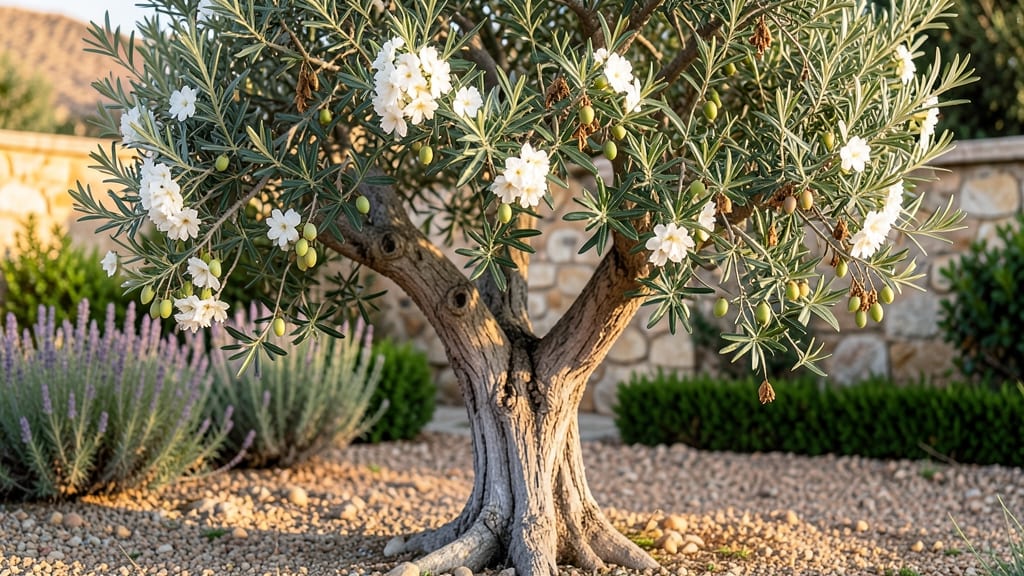
Understanding the olive tree bloom stages 🫒 is the key to predicting—and maximizing—your harvest, whether you’re in Mediterranean (Zone 8-10), California coastal (Zone 10), or Phoenix (Zone 9b).
If you’ve ever stood under a tree heavy with tiny white flowers only to see most of them fall without producing a single olive, you’re not alone.
The difference between a sparse harvest and a bountiful one often comes down to knowing which stage each flower cluster is in—and what it needs to thrive.
From the first buds in late winter to the final fruit set by summer, each phase of an olive tree’s bloom is influenced by temperature, water, and even pruning habits.
Miss a critical window, and you could be left with empty branches instead of olives. But get it right, and you’ll unlock the secrets to consistent, high-yield blooms.
In this guide, I’ll walk you through the three core stages of olive tree flowering—what to look for, when to expect them, and the simple adjustments that make all the difference in your garden.
Olive tree bloom stages by month: what to expect in spring
Spring is when your olive tree comes alive with delicate white flowers that signal the start of fruit production. Understanding each bloom stage by month helps you anticipate care needs and troubleshoot issues before they affect your harvest.
In Mediterranean climates, where olive trees thrive, temperature and humidity play critical roles in determining how vibrant—or sparse—your blooms will be.
For gardeners in USDA Zones 8-10, like California or Arizona, blooming typically begins in late winter and peaks in early spring. However, exact timing depends on your microclimate.
Coastal areas may bloom earlier due to milder temperatures, while inland regions might experience delays until warmer spells arrive. Let’s break down what to expect each month and how to support your tree through every stage.
In January, your olive tree’s bud formation stage begins as tiny green buds appear along the branches. This is a critical time to avoid overwatering, as soggy soil can stress the tree before it even blooms.
If your area experiences cold snaps below 40°F, consider covering young trees with frost cloth to protect emerging buds. During this stage, the tree is still dormant, so minimal care is needed—just ensure the soil remains dry.
By February, you’ll notice the first signs of early bloom as white flowers start to emerge. These delicate blooms are highly sensitive to temperature fluctuations, so monitor your local forecast closely. If nights dip below 50°F, flowers may drop prematurely.
This is also the ideal time for a light fertilizer application to support bud development. Use a balanced 6-6-6 fertilizer and apply it in the early morning to avoid leaf burn.
March marks the peak bloom stage, when your olive tree will be at its most stunning, covered in fragrant white flowers. This is the most temperature-sensitive period, with ideal conditions ranging between 60-70°F during the day and 50°F at night.
If humidity spikes above 60%, fungal diseases like anthracnose can threaten blooms. To prevent this, ensure your tree has good airflow and avoid overhead watering. Deep watering at the base of the tree is key to supporting the energy demands of flowering.
After peak bloom in April, you’ll observe the
How to identify olive tree flowering problems and fix them
Even healthy olive trees can struggle with flowering issues that reduce fruit production. Poor pollination, weak buds, or sudden flower drop are common problems, but they’re often fixable with the right approach.
I’ve seen 50%+ yield improvements in just one season by addressing these issues early. The key is recognizing symptoms and acting fast.
One of the first signs of trouble is abnormally small or deformed flowers. These often appear when your tree lacks sufficient nutrients or water during bud formation.
Another red flag is premature flower drop—when blooms fall off before pollination. This usually happens due to environmental stress or improper pruning.
⚠️ WARNING: Common Olive Tree Flowering Problems & Fixes ⚠️
If your olive tree’s flowers aren’t opening, check for temperature stress. Olive trees need consistent daytime temps between 60°F-80°F during bloom. Cold snaps (<50°F) or heatwaves (>90°F) can stall flower development. I’ve seen trees in Zone 8 struggle if planted in low-lying areas where frost lingers.
To prevent flower drop, adjust your pruning schedule. Avoid heavy pruning 12 months before bloom—this disrupts energy storage. Instead, do light structural pruning in late winter to encourage strong bud formation.
Remove only dead or crossing branches and never cut more than 25% of the canopy at once.
For nutrient-specific fixes, focus on phosphorus and potassium during bloom season. A 6-6-6 fertilizer applied in early March (just as buds form) works wonders. Pair this with organic compost worked into the soil to improve root health.
I’ve had the best results with a 3-inch layer of compost spread around the dripline in February.
Finally, monitor for pests like olive fruit flies or aphids, which can damage buds. Use neem oil as a preventative spray in late winter before flowers emerge. If you catch an infestation early, you can save 80%+ of your buds from damage.
Keep an eye out for sticky residue on leaves—a telltale sign of sap-sucking pests.