
Blooming
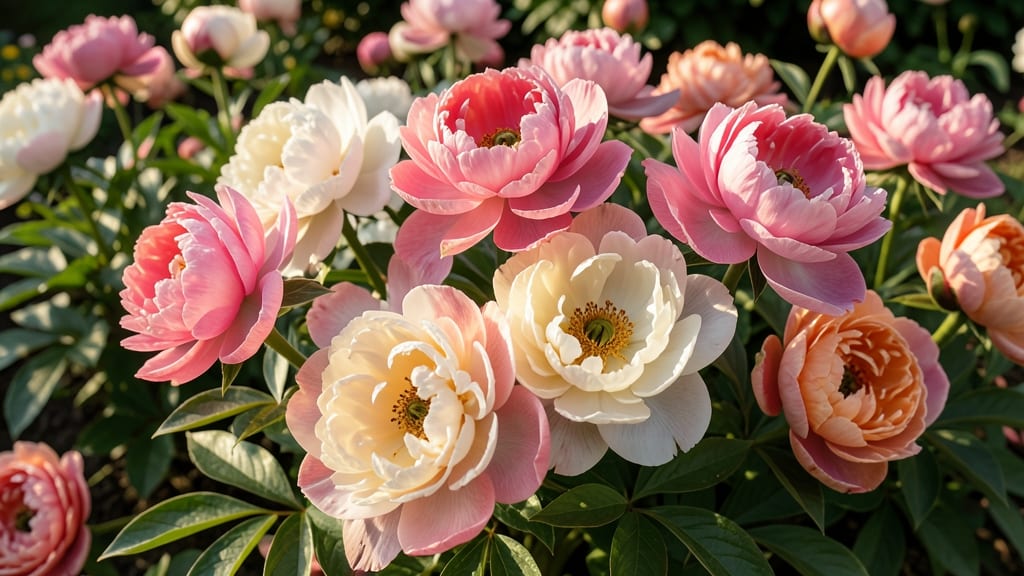
Spring brings vibrant life to gardens with flowers that burst into color after winter’s dormancy. These seven early-blooming flowers not only brighten landscapes but also attract pollinators and create fragrant focal points for your outdoor space.
Tulips: Classic Spring Blooms with Timeless Elegance
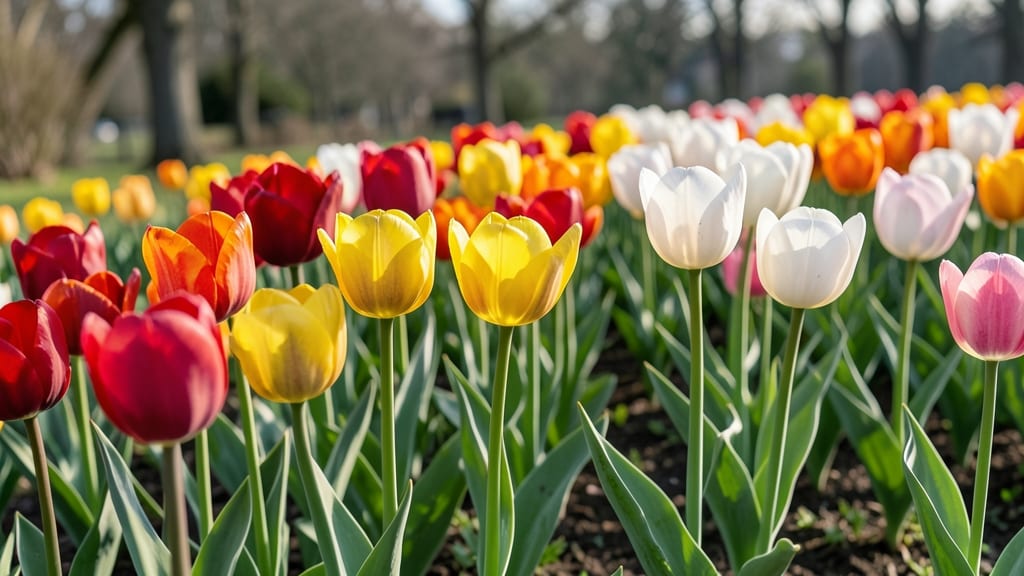
When spring arrives, few flowers announce its arrival quite like tulips, with their bold colors and graceful shapes. These iconic blooms aren’t just beautiful—they’re the perfect all-purpose garden workhorses, thriving in borders, containers, or even as cut flowers for your home.
Tulips bloom in late spring, typically between April and May, offering a dazzling array of colors from classic reds to soft pinks, purples, and even striking yellows. They prefer full sun (6 hours daily) and well-drained soil, making them ideal for urban gardens or small spaces where drainage might be a concern. Plant bulbs in fall for a surprise burst of color the following spring!
Whether you’re a beginner or a seasoned gardener, tulips bring effortless charm to any space. Their versatility makes them a must-have for both formal gardens and casual containers. 🌷
Daffodils: Hardy Yellow Blooms That Defy Frost
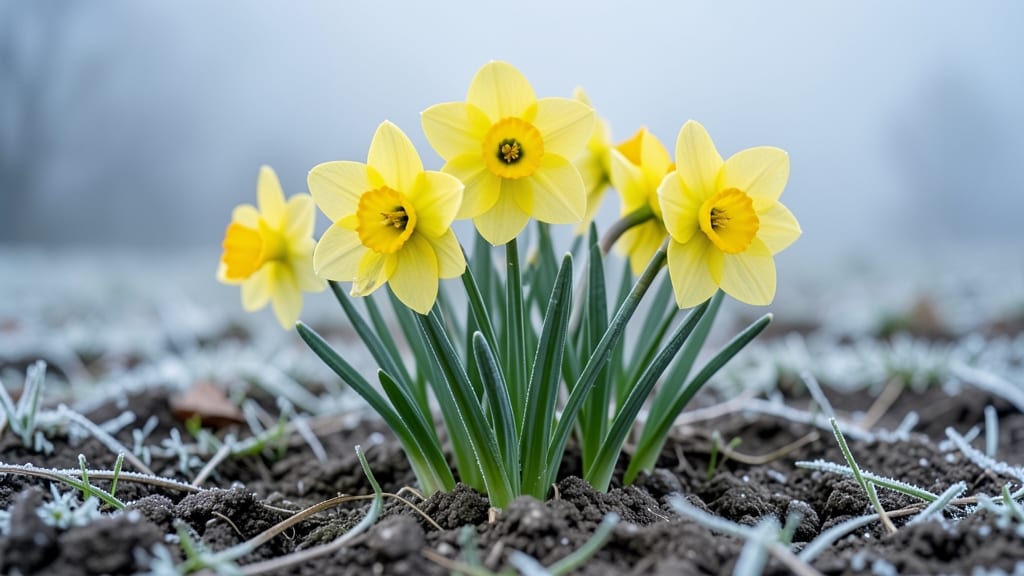
When winter’s last frost still clings to the ground, daffodils burst through with their bright yellow trumpets, proving they’re nature’s earliest cheerleaders. Unlike tulips, these hardy blooms often emerge in late winter or early spring, sometimes even pushing through snow, to bring instant color and joy to your garden.
What makes them truly special is their pest-deterring ability—their toxic sap repels squirrels, deer, and even some insects, protecting your other spring bulbs. They thrive in full sun to partial shade and prefer well-drained soil, making them ideal for both sunny borders and woodland edges. Plant bulbs in fall for a reliable spring show that lasts 2-3 weeks.
Perfect for beginners or gardeners in colder climates, daffodils require almost no maintenance and multiply over time. Their cheerful blooms are a surefire way to brighten up dreary days. 🌱
Hyacinths: Fragrant Clusters for Scented Garden Corners
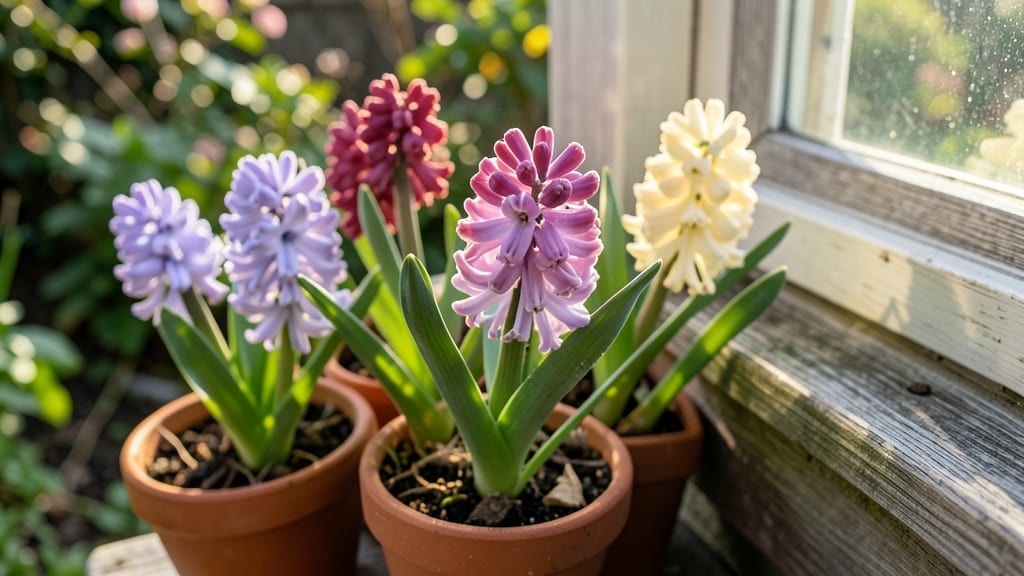
If you crave a garden corner that feels like a perfume bottle, hyacinths are your secret weapon. These compact bulbs pack an explosion of fragrance—think sweet, spicy, or even honeyed notes—into tight clusters that fit perfectly in window boxes, small pots, or tucked into borders.
Hyacinths bloom in early to mid-spring, typically between March and April, with colors ranging from deep purple ('Royal Purple') to soft pink ('Pink Pearl'). They thrive in full sun to partial shade and well-drained soil, making them ideal for urban balconies or shady garden nooks. Plant bulbs in fall (October-November) for a fragrant surprise the following spring—just ensure they’re spaced 4-6 inches apart to prevent overcrowding.
Perfect for small-space gardeners or those who love sensory gardens, hyacinths deliver months of fragrance with minimal effort. Their intoxicating scent will have neighbors asking for your secret! 💚
Pansies: Edible Flowers with Bold Face-Like Patterns
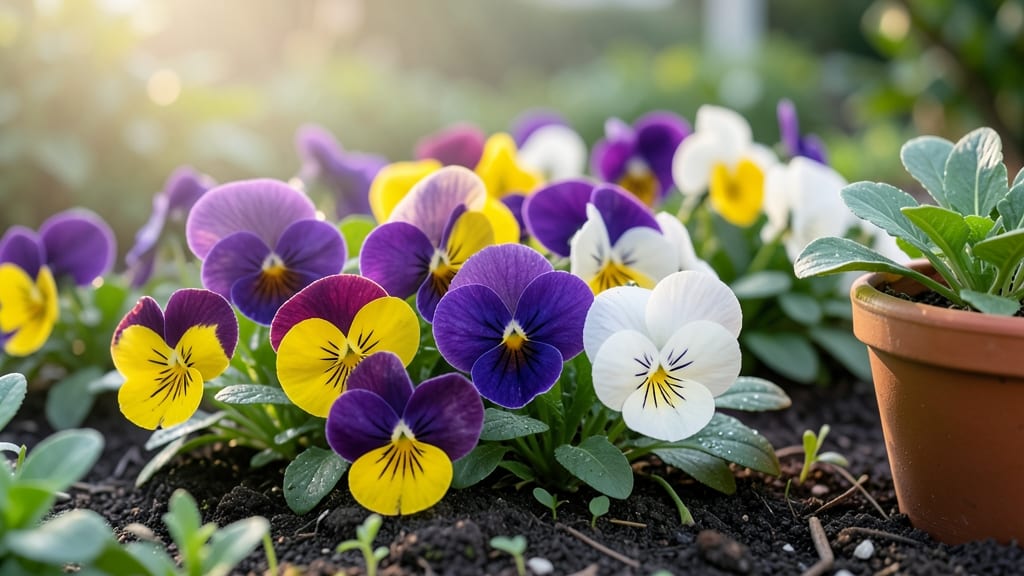
If you love flowers that bring both beauty and function to your garden, pansies are a must-have for spring. Their cheerful, face-like patterns and vibrant colors make them a favorite for borders, containers, and even edible gardens—yes, you can eat them!
These cool-weather champions thrive in spring and fall, blooming from early March through May in most regions. Their edible petals add a mild, slightly sweet flavor to salads, garnishes, or desserts, while their hardy nature means they can withstand light frosts. Plant them in partial shade to full sun and well-drained soil for the best results. Pansies also self-seed easily, so you’ll likely get more blooms next year with minimal effort.
Perfect for beginners or urban gardeners with limited space, pansies bring whimsy and practicality to any garden. Their versatility makes them a standout choice for both decorative and functional spring planting. 🌷
Bleeding Heart: Delicate Hanging Flowers for Shade Gardens
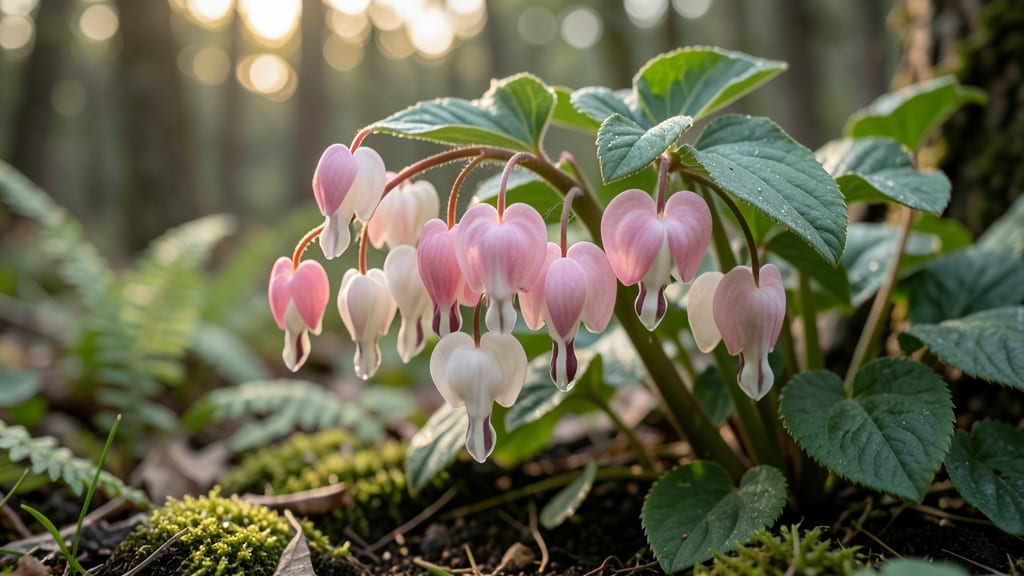
If your garden has shady spots that feel overlooked, bleeding heart (Dicentra spectabilis) is the dreamy solution you’ve been waiting for. This woodland native thrives where others falter, producing cascades of heart-shaped pink or white blooms that dangle like delicate chandeliers from early to mid-spring.
Plant bleeding heart in partial to full shade, where it will reward you with lush, fern-like foliage and blooms that last 4-6 weeks. Its preference for moist, well-drained soil makes it perfect for woodland gardens, under trees, or along north-facing fences. For best results, divide clumps every 3-4 years to maintain vigor. The blooms also make stunning cut flowers for indoor arrangements!
This is the ideal choice for gardeners who love romantic, low-maintenance plants that thrive in challenging conditions. Its vertical interest and soft colors create a dreamy, ethereal atmosphere in any shady corner. 🌷
Crocus: Tiny but Mighty Early Bloomers
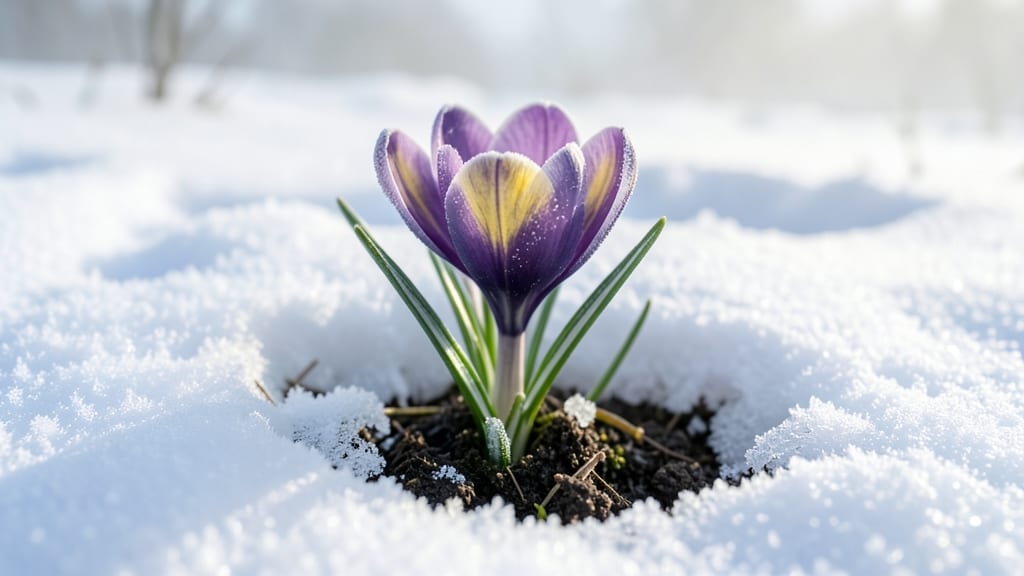
When the ground is still blanketed in snow and your garden feels like a winter wonderland, crocus emerges as a bold underdog—pushing through frost to deliver the season’s first splash of color. These tiny but mighty blooms aren’t just early risers; they’re nature’s way of waking up pollinators like bees, who rely on their early nectar when few other flowers are available.
Crocus blooms in late winter to early spring, typically between February and April, depending on your climate. Their vibrant hues—purple, white, or yellow—create striking contrasts against snow or bare soil. Plant bulbs in fall (September-October) in full sun to partial shade, and they’ll reward you with minimal care. A single cluster produces multiple flowers, making them perfect for rock gardens, borders, or even container edges.
Ideal for beginners or gardeners in colder regions, crocus thrives where other plants struggle. Their resilience and early blooms make them a must-have for extending your garden’s season—and lifting spirits when spring feels far away. 🌱
Peonies: Luxurious Late-Spring Garden Stars
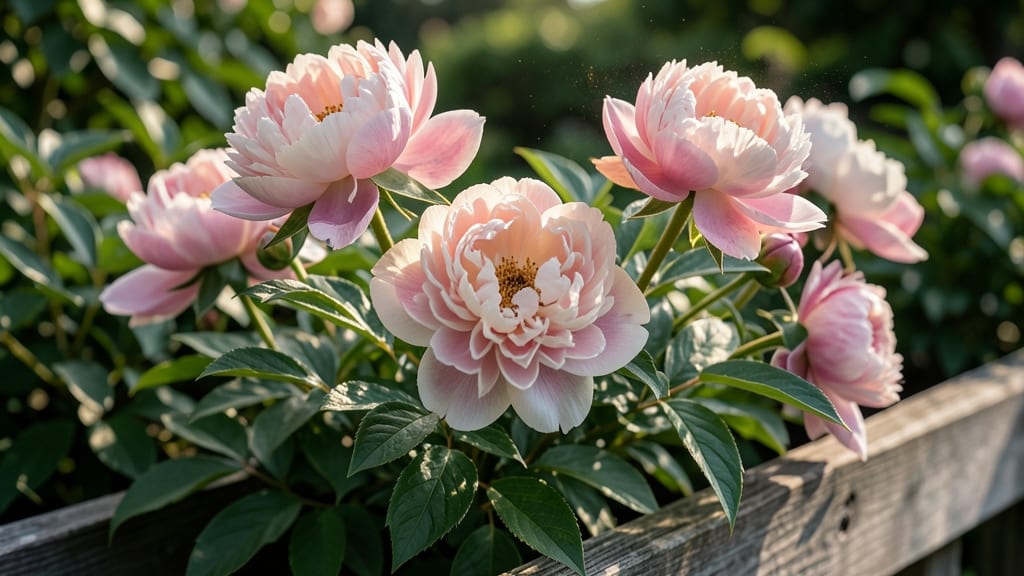
When late spring arrives, peonies take center stage with their velvety, oversized blooms that smell like a secret garden. Unlike earlier spring flowers, peonies reward gardeners with fragrant, long-lasting blooms that last 7-10 days per stem—perfect for cutting or admiring in borders.
These herbaceous perennials thrive in full sun (6+ hours daily) and well-drained soil, making them ideal for cottage gardens or formal landscapes. Plant them in early fall for roots to establish before winter, and stake tall varieties to prevent flopping. With proper care, a single peony plant can live—and bloom—for decades, becoming a cherished garden heirloom.
Perfect for romantic weddings, fragrant garden corners, or long-stemmed arrangements, peonies bring a touch of old-world elegance to any space. Their late-spring timing ensures they won’t be overshadowed by earlier bloomers. ✨