
Blooming
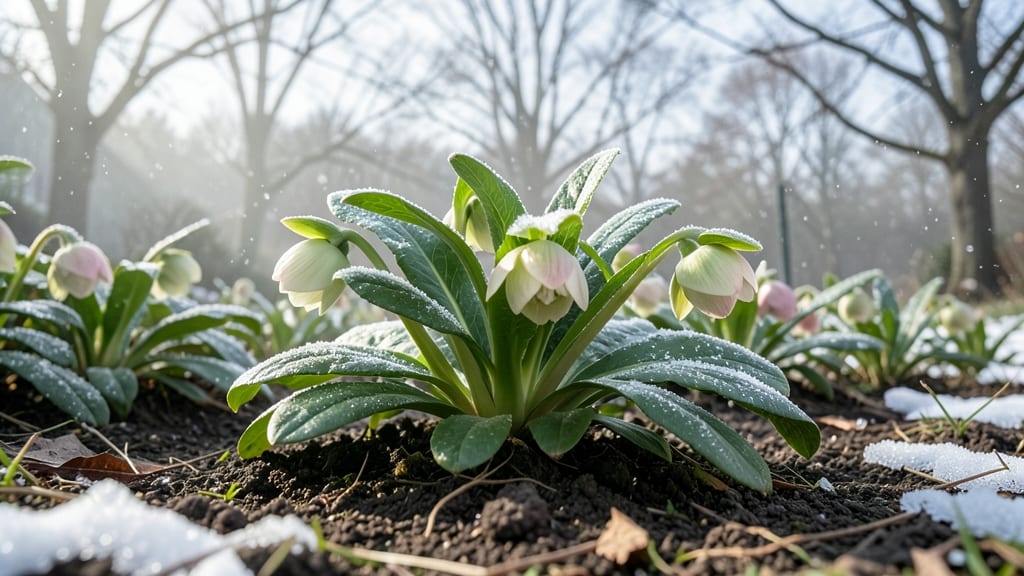
Want a garden bursting with color from summer through fall without constant planting? These 10 hardy bulbs deliver stunning blooms with minimal effort, thriving in various climates and soil types.
Dahlias for Bold Summer to Fall Foliage
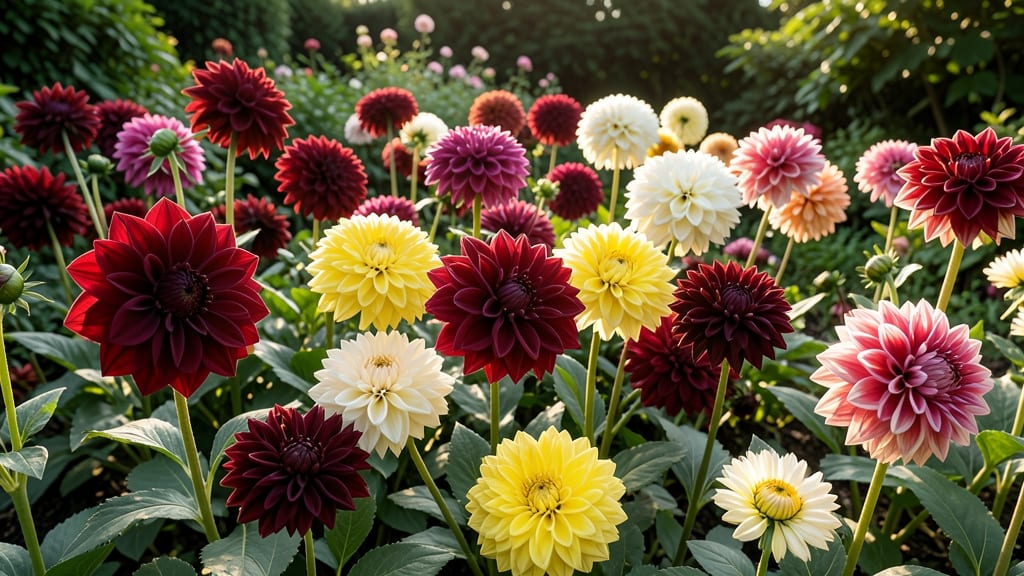
Transform your garden into a living canvas with dahlias—nature’s most dramatic paintbrushes. These summer-to-fall showstoppers offer blooms in every hue, from velvety burgundy to sunny yellow, with textures ranging from ruffled pom-poms to sleek dinner-plate perfection.
Dahlias thrive in full sun (6+ hours daily) and reward you with cutting garden quality stems that last weeks in vases. Plant tubers in spring after frost, spacing them 12–18 inches apart in well-draining soil. Water consistently but avoid soggy roots—moderate moisture keeps foliage lush without encouraging mildew.
Perfect for container gardens or mixed borders, dahlias bring year-round interest even after blooms fade—try deadheading spent flowers to encourage more blooms until frost. Urban gardeners love them for their versatility and bold impact. 🌻
Crinum Lilies for Fragrant Summer Nights
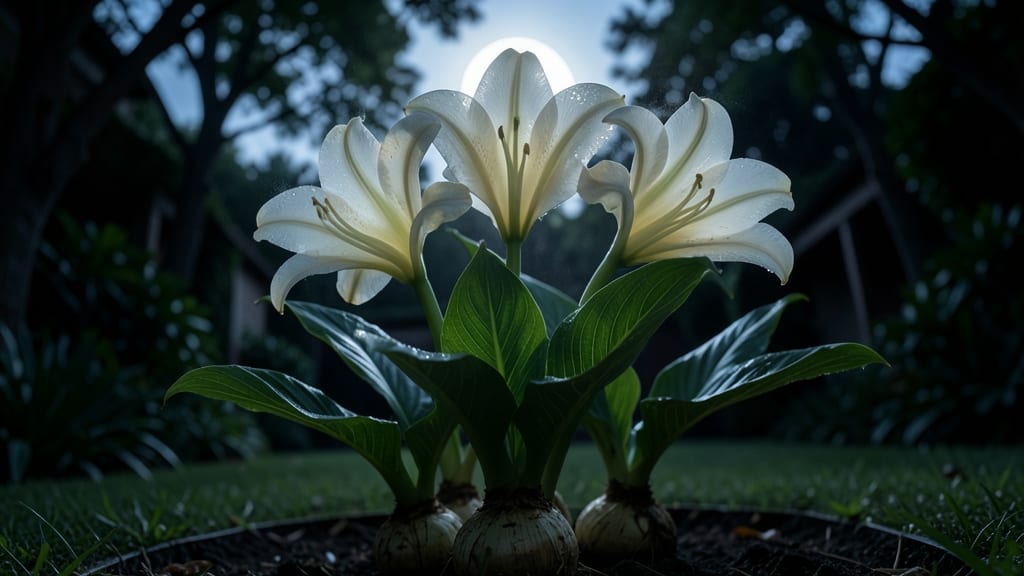
Transform your evening garden into a scented sanctuary with crinum lilies, nature’s night-blooming perfumers. These tropical beauties unfurl creamy white flowers after sunset, releasing a heady fragrance that lingers until morning—perfect for patios, borders, or moonlight strolls.
Plant the large, bulbous corms in well-draining soil during spring or early summer, spacing them 12–18 inches apart. They thrive in full sun to partial shade and tolerate drought once established, making them ideal for low-maintenance designs. Their strappy, architectural foliage adds year-round texture, while blooms appear in late summer through fall.
Gardeners in warmer climates (zones 7–11) will love their perennial reliability, while cooler regions can treat them as tender bulbs. Place them near seating areas to fully enjoy their intoxicating nighttime aroma—your garden’s secret scent machine! ✨
Alliums for Dramatic Vertical Interest
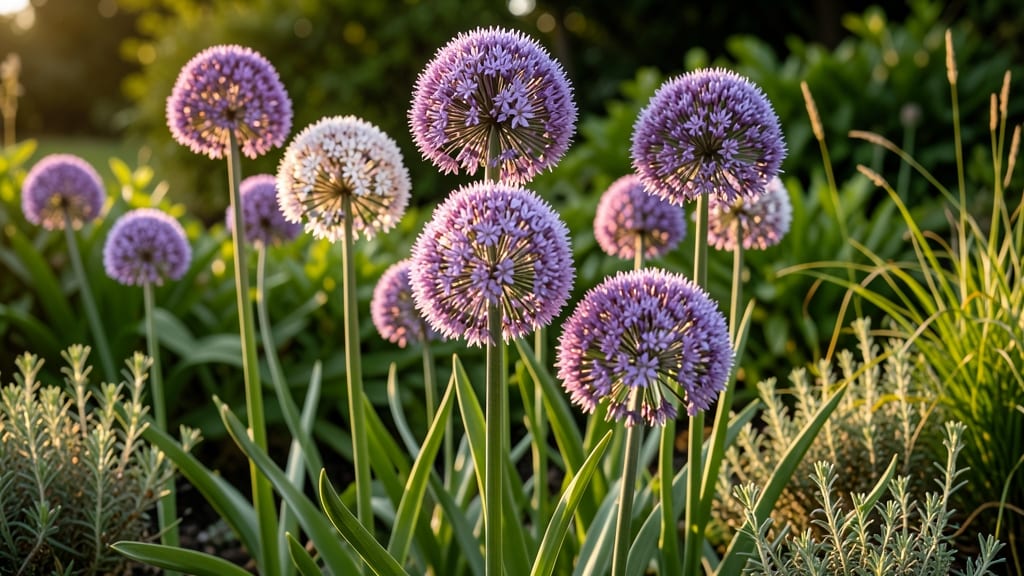
Say goodbye to flat, boring garden beds with alliums, the unsung heroes of vertical drama. These globe-shaped blooms shoot up like nature’s own chandeliers, adding height and texture while requiring almost no fuss—ideal for pollinator gardens where every inch counts.
Plant allium bulbs in early spring or fall, spacing them 6–12 inches apart in well-draining soil. They thrive in full sun to partial shade and are drought-tolerant once established, making them perfect for water-wise landscapes. Varieties like 'Purple Sensation' or 'Globemaster' reach 2–4 feet tall, creating stunning focal points that attract bees and butterflies.
Gardeners in dry climates or small spaces will love how alliums elevate designs without overwhelming them. Pair them with low-growing perennials for a stunning contrast that keeps blooming until frost. 🌟
Tulip 'Darwin Hybrid' for Late Summer Color
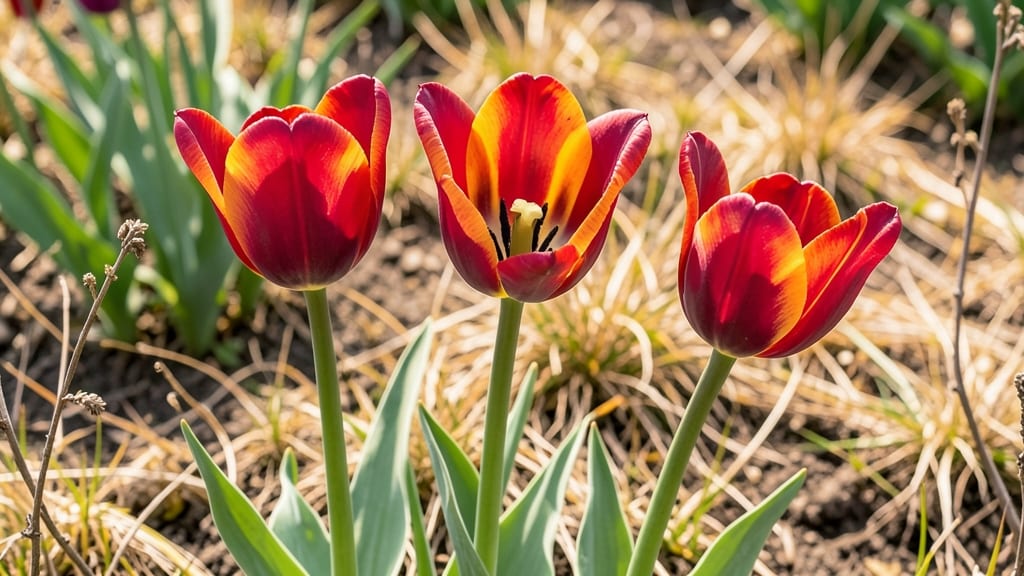
Skip the spring-only tulips—Darwin Hybrid tulips are the unsung heroes of late-season gardens, delivering bold blooms when most flowers have faded. Unlike their spring counterparts, these sturdy varieties bloom in late summer to early fall, offering a second chance for tulip lovers to enjoy their iconic beauty.
Plant bulbs in fall (6–8 weeks before frost) for a stunning display the following summer, or try spring planting in milder climates. They thrive in full sun to partial shade and well-draining soil, producing large, cup-shaped blooms in fiery oranges, deep reds, and golden hues. Cut stems early in the morning for long-lasting arrangements—these tulips hold up beautifully in vases for 2+ weeks, making them a florist’s secret weapon.
Perfect for cutting gardens, cottage-style borders, or container displays, Darwin Hybrids bring drama without fuss. Even beginner gardeners will love their forgiving nature—just avoid overwatering once established. 🌟
Canna Lilies for Tropical Summer Gardens
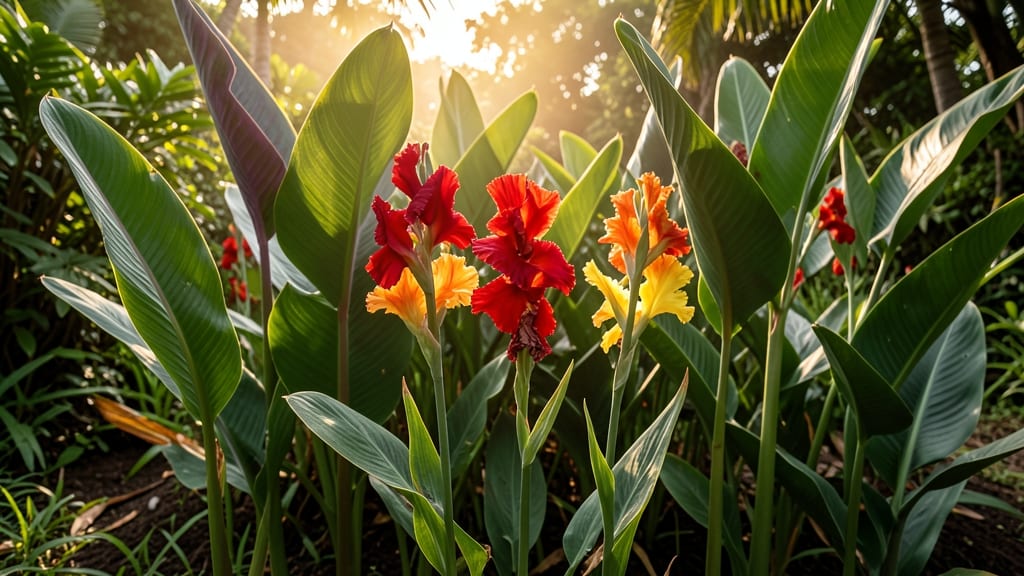
Bring the drama of a tropical paradise to your garden with canna lilies, nature’s boldest statement plants. These heat-loving superstars thrive where other flowers wilt, delivering vibrant blooms in fiery reds, oranges, and yellows that contrast beautifully against their lush, banana-like foliage.
Perfect for containers, pond edges, or sunny borders, canna lilies demand little beyond 6+ hours of sun daily and consistently moist soil. Plant rhizomes (not bulbs) in spring after frost, spacing them 12–18 inches apart. Their striking vertical growth adds movement to garden beds, while their edible tubers (yes, you can eat them!) make them a dual-purpose powerhouse.
Urban gardeners and small-space enthusiasts will love how cannas transform patios and balconies into tropical escapes. Plus, their deer-resistant nature makes them a hassle-free choice for rural gardens too. 🌻
Gladiolus for Long-Stemmed Summer Cut Flowers
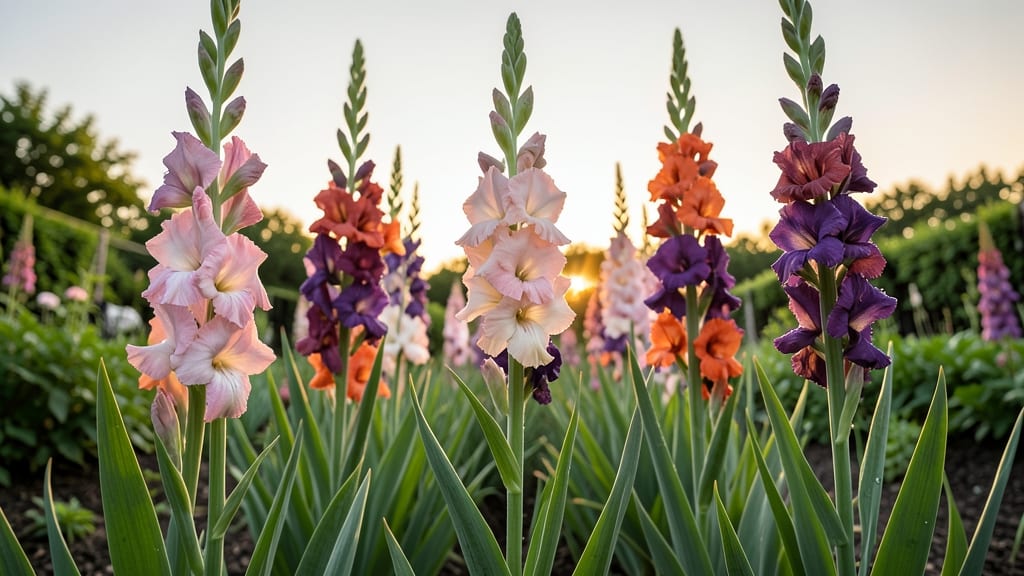
Bring the farmers' market charm to your garden with gladiolus, the unsung hero of summer bouquets. These towering spikes of blooms—available in every color from blush pink to deep purple—are the secret to creating long-stemmed arrangements that rival professional florist work, all from your backyard.
Plant gladiolus corms in spring after the last frost, spacing them 6 inches apart in full sun (6+ hours daily). Their deep roots crave moisture, so water regularly during the growing season, aiming for 1-2 inches per week. The payoff? Stems reaching 3-5 feet tall, perfect for cutting when buds are just opening. For extra height, stake taller varieties early to prevent flopping.
Florists and home gardeners alike adore gladiolus for their versatility—they thrive in containers, borders, or cut flower gardens. Plus, their late-summer to fall blooming window fills the gap when other flowers fade. Try mixing colors for a rainbow effect that’ll have neighbors asking for cuttings! 🌷
Daffodil 'Autumnalis' for Early Fall Blooms
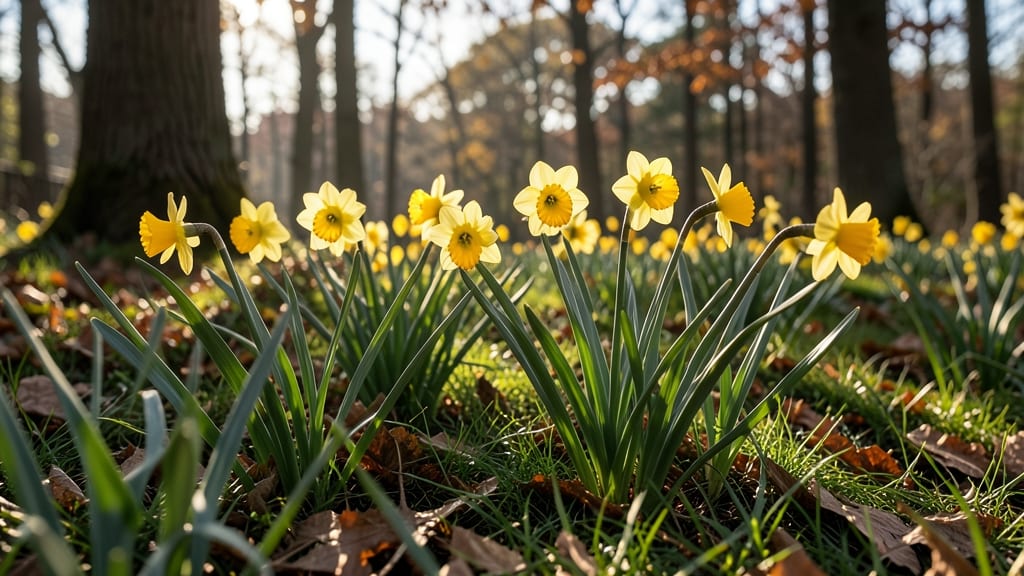
Skip the spring-only daffodils and welcome Autumnalis—the rare variety that blooms in autumn instead of spring, offering cheerful yellow flowers when most gardens are fading. This hardy perennial naturalizes effortlessly in lawns, meadows, or woodland edges, creating pockets of color from September through November.
Plant the small, round bulbs in well-draining soil during early autumn (September-October) for winter dormancy followed by spring foliage that preps for fall blooms. They thrive in partial shade to full sun and tolerate drought once established, making them ideal for low-maintenance landscapes. Unlike spring daffodils, Autumnalis bulbs multiply over time, creating dense colonies that outperform annuals.
Perfect for gardeners seeking early fall interest, this variety brightens up shady corners or lawns where other bulbs won’t grow. Its deer-resistant nature and perennial reliability make it a favorite for cottage gardens and pollinator-friendly spaces alike. 🌱
Crocosmia for Fireworks of Fall Color
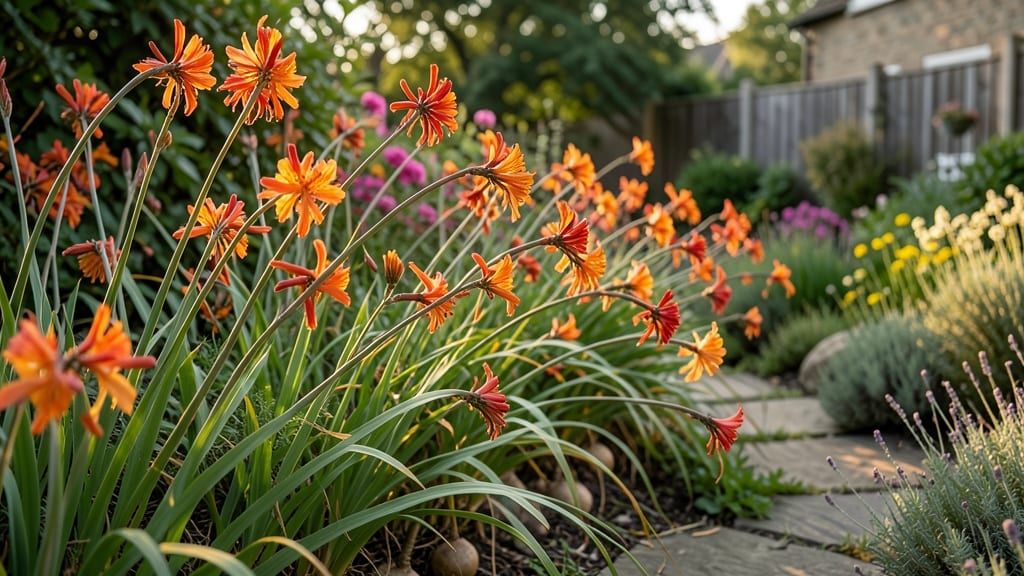
Bring your cottage garden to life with crocosmia, nature’s own fireworks display. These arching, flame-shaped blooms sway in the breeze, creating movement that draws the eye and adds a whimsical touch to borders, pathways, and mixed beds.
Plant crocosmia corms in early spring or fall, spacing them 6–12 inches apart in well-draining soil. They thrive in full sun to partial shade and are drought-tolerant once established, making them ideal for low-maintenance gardens. Their vibrant oranges, reds, and yellows appear in late summer through fall, with some varieties reblooming the following year. Cut back foliage in late winter to encourage fresh growth.
Perfect for cottage-style gardens, pollinator-friendly beds, or container displays, crocosmia brings effortless charm and seasonal color. Even novice gardeners will love their hardy nature and stunning visual impact. 🌻
Fritillaria for Checkered Summer Elegance
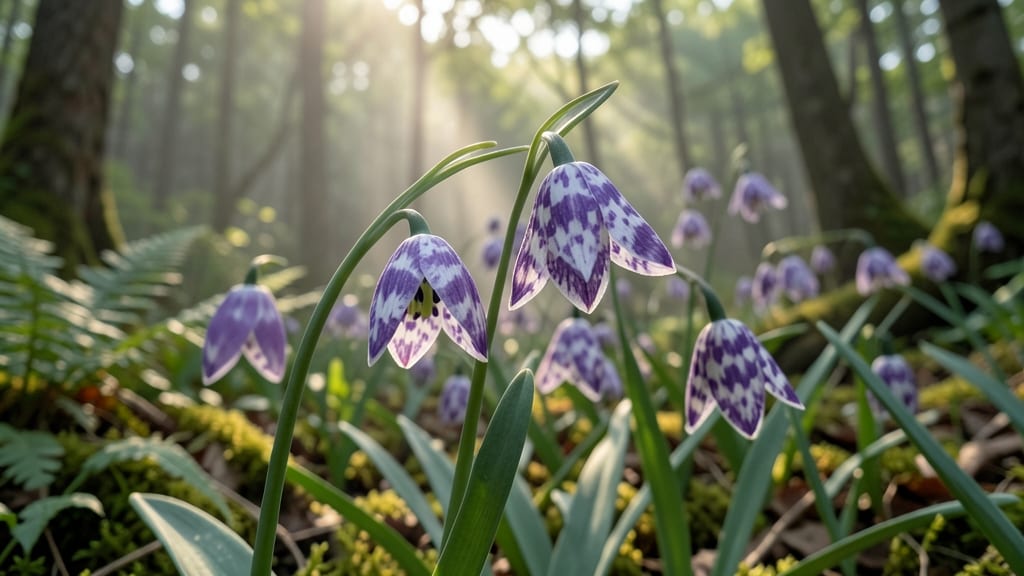
Add a touch of whimsical artistry to your garden with fritillaria, nature’s own checkered masterpieces. These delicate, bell-shaped blooms feature intricate purple-and-white patterns that resemble woven fabric or chessboards, making them a standout for woodland gardens where dappled shade reigns.
Plant fritillaria bulbs in fall (6–8 weeks before frost) in well-draining, slightly sandy soil under partial to full shade. They thrive in cooler climates (zones 3–8) and naturalize beautifully over time, rewarding you with spring-to-early summer blooms that contrast gorgeously with hostas or ferns. Avoid overwatering—these bulbs prefer dry conditions once established.
Shade-loving gardeners and woodland enthusiasts will adore how fritillaria transforms understory spaces with their elegant, low-maintenance charm. Pair them with hellebores or lungwort for a dreamy, textured garden that feels like a secret forest retreat. 💚
Hellebore for Early Fall Evergreen Interest

When your garden feels like it’s taking a winter nap, hellebores step in as the unsung heroes of early fall interest. These shade-loving perennials keep their semi-evergreen foliage year-round, while delicate flowers emerge in late winter through early spring—often when snow still lingers in many climates.
Plant hellebores in fall or early spring in partial to full shade, where they’ll thrive in moist, well-draining soil. Their dark green leaves provide structure even when other plants have faded, while nodding blooms in white, pink, or purple add subtle elegance. Varieties like 'Helleborus niger' (Christmas rose) bloom in winter, while 'Helleborus orientalis' offers a longer spring display.
Perfect for woodland gardens, shady borders, or under trees, hellebores bring low-maintenance beauty that even busy gardeners can appreciate. Their deer-resistant nature makes them ideal for rural properties too. 💚