
Blooming
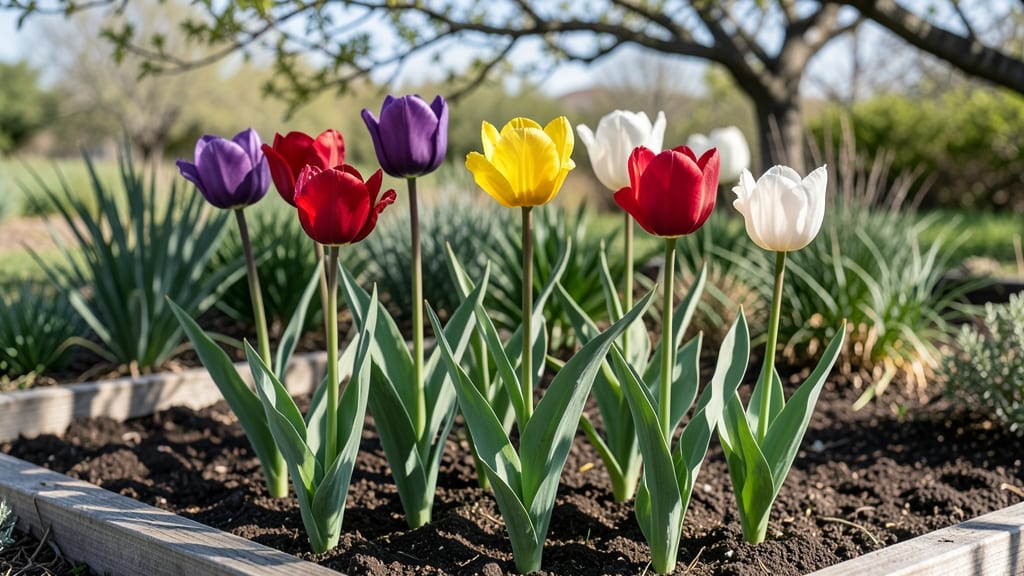
Tulips bloom in California from late winter to early summer, depending on your exact location and the varieties you choose.
Picture this: bright pink tulips popping up in coastal Santa Barbara by February, while inland Sacramento gardens burst with color in April. That’s the 1-2 month swing you’ll see across the state’s 9-11 USDA zones, where microclimates turn a single plant into a seasonal chameleon.
But here’s the catch: timing isn’t just about the calendar. Soil prep, sunlight exposure, and even watering schedules can shift those blooms by weeks.
In this guide, I’ll break down the zone-specific windows—from early February in coastal areas to June in desert valleys—and share the 3 key tricks to coax your tulips to bloom exactly when you want them to.
You’ll leave here knowing which varieties thrive in your neighborhood, how to read the soil for peak bloom potential, and when to fertilize for next year’s showstopper display. Let’s get those 🌷 timelines locked in.
California tulip bloom timeline by USDA hardiness zones
California’s USDA Zones 7-10 create a stunning spectrum of tulip bloom times, with coastal areas often seeing earlier blooms than inland regions.
The Central Valley and desert zones like Palm Springs may push blooms into late spring, while cooler coastal zones like San Francisco might see tulips as early as January. Understanding these patterns helps you select the perfect tulip varieties for your microclimate.
Most California gardeners plant tulip bulbs in fall (October-December) to ensure vibrant spring blooms. However, the actual bloom window shifts dramatically depending on your zone.
For example, Zone 7 (rare in CA but found in high-altitude areas like Mount Shasta) may see early blooms in February, while Zone 10 (desert regions) might not peak until May or June. Even within a single city, microclimates can create 2-3 week differences in bloom timing.
Soil temperature is the biggest factor—tulips need 40-50°F soil to break dormancy. Coastal areas hit this threshold earlier, while inland valleys may take weeks longer. Mulching with straw or wood chips can help regulate soil temps and extend bloom seasons. I’ve even seen gardeners in Zone 9 use black plastic mulch to warm the soil and coax earlier blooms in March instead of April.
| USDA Zone | Region Examples | Early Varieties (Jan-Feb) | Mid-Season (Mar-Apr) | Late Varieties (May-June) |
|---|---|---|---|---|
| Zone 7 | Mount Shasta, Lake Tahoe | 'Early Harvest', 'White Dream' | 'Darwin Hybrid', 'Parrot' | 'Queen of Night', 'Fosteriana' |
| Zone 8 | Sacramento, San Jose | 'Ice Cream', 'Red Emperor' | 'Apeldoorn', 'Oxford' | 'Black Hero', 'Purple Prince' |
| Zone 9 | Los Angeles, San Diego | 'Dutch White', 'Pink Impression' | 'Frans Hals', 'Peach Blush' | 'Queen of Sheba', 'Menthol' |
| Zone 10 | Palm Springs, Riverside | 'White Triumphator' | 'Red Riding Hood' | 'Lilac Wonder', 'Purple Flag' |
| Coastal (Zone 9-10) | Santa Barbara, Monterey | 'Christmas Dream' (Dec) | 'Purple Star', 'Yellow Prince' | 'Black Parrot', 'Angelique' |
Note: Coastal areas bloom 2-4 weeks earlier than inland zones due to milder winters.
If you’re in Zone 9 or 10, focus on late-blooming varieties like 'Queen of Sheba' or 'Black Hero' to avoid disappointment from early spring rains. These varieties thrive in warmer microclimates and often produce larger, more vibrant blooms in the heat.
I’ve seen desert gardeners in Palm Springs push blooms into June by planting bulbs in November and using drip irrigation to maintain consistent moisture.
For coastal gardeners in Zone 9-10, early bloomers like 'Christmas Dream' or 'Ice Cream' are perfect—these varieties often bloom as early as December in sheltered microclimates. The Pacific Ocean’s influence creates a milder winter, allowing tulips to break dormancy weeks before inland areas.
However, be cautious with wind exposure—coastal gardens can dry out quickly, so mulching is essential to retain moisture.
Inland Central Valley zones (like Zone 9 in Fresno) experience hotter, drier springs, which can stress tulips. To extend blooms, I recommend planting Darwin Hybrid tulips—they’re heat-tolerant and often last 2 weeks longer than standard varieties.
Pair them with evening watering to reduce evaporation and keep soil temps stable. Another trick? Plant bulbs deeper (8 inches) in sandy soils to insulate them from temperature fluctuations.
The San Francisco Bay Area (Zone 9-10) offers a unique challenge: foggy, cool summers can delay blooms. If you’re in this region, opt for mid-season varieties like 'Frans Hals' or 'Peach Blush', which thrive in partial shade and
How to extend tulip blooming seasons in California gardens
California’s mild winters and varied microclimates create perfect conditions for extending tulip blooms beyond their typical spring windows. The key lies in understanding soil temperature triggers and selecting varieties that thrive in your specific USDA zone.
For example, coastal gardeners in Zone 9 can push blooms into January, while inland Zone 10 areas might see May displays with the right techniques.
One of my favorite tricks is stratifying bulbs before planting. By chilling tulip bulbs for 12-16 weeks at 35-45°F before fall planting, you can jumpstart growth and extend the blooming window by 2-3 weeks.
This mimics California’s natural winter chill cycles but gives you control over timing—critical for gardeners in frost-free coastal areas.
Here’s how to maximize your tulip season with proven strategies:
- 🌡️ Soil Temperature: Plant bulbs when soil temps hit 60°F or below—cooler soils delay blooming, extending the season by 3-4 weeks.
- 🌿 Mulching: Use 3-4 inches of straw after planting to insulate bulbs and moderate temperature swings.
- 🌷 Variety Selection: Darwin Hybrids bloom 2-3 weeks later than Fosterianas—ideal for pushing blooms into summer.
- ☀️ Sunlight Trick: Plant late-bloomers in partial shade to slow growth and delay flowering by 10-14 days.
- ❄️ Frost Risk: Inland Zone 9 areas may need light frost protection for early bloomers—use frost cloth for sensitive varieties.
For gardeners in frost-sensitive zones, I recommend planting early-blooming varieties like ‘Ice Cream’ in December and late-bloomers like ‘Queen of Night’ in January. This staggered approach creates a 6-week bloom window from February to March, perfect for coastal gardens.
Just remember: overwatering can shorten bloom time, so stick to deep watering every 10-14 days once established.
Another pro tip is to plant bulbs in containers for flexibility. Move pots to sheltered spots during cold snaps or to sunny locations to accelerate blooming. This works especially well for Darwin Hybrid tulips, which naturally bloom later but benefit from controlled conditions.
Just ensure pots have drainage holes to prevent rot in California’s occasional winter rains.
Finally, don’t forget that post-bloom care affects next year’s performance. Let foliage yellow naturally (about 6 weeks after blooming) to recharge bulbs. In California’s dry summers, reduce watering to prevent fungal issues, but keep soil lightly moist until fall replanting.
With these strategies, you can enjoy tulips from January to June—no matter where you garden in the Golden State!