
Flowers
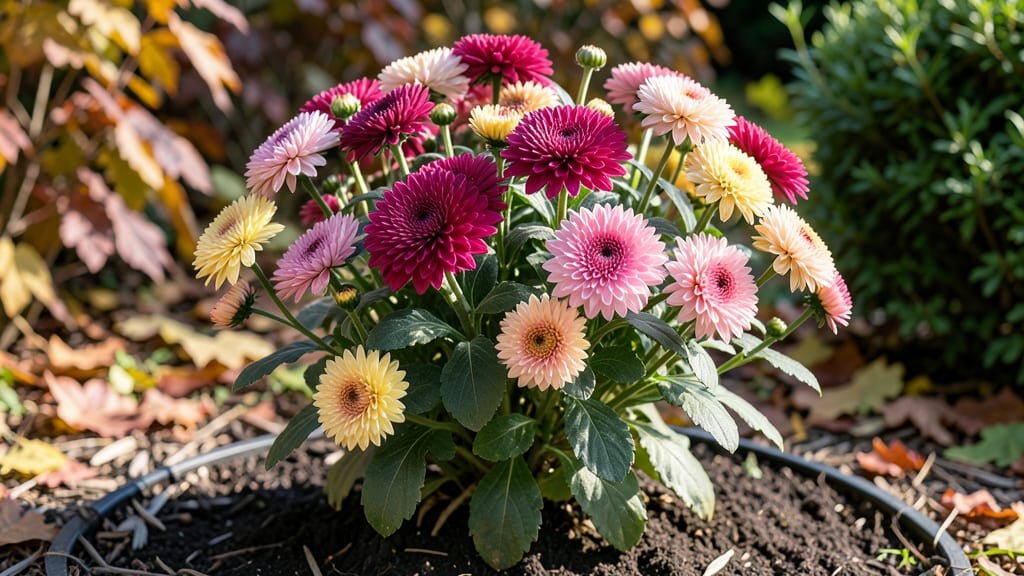
Mums flowers bloom in late summer and fall 🌼, turning your garden into a riot of color—but timing them right is the key to a show-stopping display.
Picture this: You’ve spent weeks tending to your mums, only to have them bloom too early or fade before frost. That’s why knowing their natural bloom window—and how to adjust it—makes all the difference.
In zones like 6a, where I garden, mums typically burst into color from September to October, but warmer climates can stretch their season. The trick? Planting at the right time, choosing the right varieties, and giving them the care they need to shine.
Below, I’ll walk you through how to sync your mum planting with their bloom time, extend their color, and avoid common mistakes that cut their season short.
When do mums bloom: understanding their natural timeline
Mums (chrysanthemums) are nature’s fall superstars, bursting into color just when summer’s heat fades. Their bloom cycle is tightly linked to daylight hours and temperature shifts, typically kicking off in late summer and lasting until the first frost.
In most regions, you’ll see those cheerful blooms appear between September and November, though exact timing varies by variety and climate zone.
Understanding mum flower bloom time starts with their biological clock. Mums are short-day plants, meaning they flower in response to shorter daylight periods. When days grow shorter after the summer solstice, they trigger blooming.
This natural timing explains why mums rarely bloom in spring—they’re hardwired for autumn’s cooler days and crisp air.
The 6-8 week rule is your golden ticket to perfect timing. From planting to peak bloom, mums need about 60-70 days of growth. Plant too early, and they’ll bolt before frost; too late, and you’ll miss their full potential.
This window is why gardeners in USDA zones 5-9 typically plant mums in late summer (August-September) for fall color.
Climate zones dramatically shift mum bloom time. In warmer zones (8-10), mums may bloom year-round or in winter if given consistent care. Meanwhile, gardeners in cooler zones (3-6) often see blooms start as early as August but fade with the first frost. Even within a zone, microclimates (like urban heat islands) can push blooms 2-3 weeks earlier.
Variety matters more than you might think. Autumn Joy mums, for example, bloom 2-3 weeks later than Pembroke varieties, giving you flexibility. Dwarf mums may bloom slightly earlier, while standard varieties hold onto their color longer. Always check seed packets or plant tags—they list days to maturity, which directly correlates to bloom time.
Here’s the biological breakdown of mum bloom timing, including how climate, variety, and planting affect your garden’s fall show:
One common myth is that mums bloom only in fall. While true for most varieties, spider mums and some garden mum hybrids can rebloom in spring if given proper care (like winter protection).
Even standard mums may produce a second flush of buds if temperatures stay mild. To encourage this, prune spent blooms in early spring and fertilize lightly when new growth appears.
Watch for bud formation as your first clue that blooming is near. Healthy mums will develop tight buds along their stems about 3-4 weeks before opening. If buds appear but don’t open, check for overcrowding or nutrient deficiencies—both can stunt blooms.
A quick fix? Thin plants to 12–18 inches apart and feed with a phosphorus-rich fertilizer (like 5-10-10) to boost flowering.
Extreme weather can throw off mum bloom time. A heatwave in September might delay blooming, while an early frost can cut the season short. To mitigate risks, choose cold-hardy varieties like ‘Marshall Marvel’ or ‘Bright Lights’ and use row covers in frost-prone areas.
Even a lightweight frost cloth can extend bloom time by 1-2 weeks in marginal zones.
Pro tip: Track your local first frost date and count backward 6-8 weeks to determine your ideal planting window. Use this timeline to plan companion plants—pair mums with ornamental grasses or pansies for a seamless transition from summer to winter color.
With the right timing, your garden can enjoy mum blooms from early September until hard frost.
How to time mum planting for perfect fall blooms
Timing your mum planting is the secret to unlocking their vibrant fall displays. These hardy flowers need 6-8 weeks of warm soil to develop strong roots and blooms before frost arrives. Plant too early, and they’ll bolt; too late, and you’ll miss peak color.
The key lies in your USDA zone and soil temperatures—let’s break it down so you never miss mum season again.
Most gardeners make one of two mistakes: planting mums too early in cool soil or waiting too late when days shorten. The ideal window is when soil temps hit 60°F (15°C)—this triggers root growth while still allowing enough daylight for blooming.
In Zone 4, that’s mid-May; in Zone 10, it’s early September. Let’s map out your zone-specific deadlines.
- Zones 4-5: Plant mid-May to early June for September-October blooms. Soil must stay above 55°F (13°C).
- Zones 6-7: Aim for late April-early May planting. 8 weeks before frost ensures full bloom.
- Zones 8-9: March-April planting works best. Longer daylight delays frost, but avoid heatwaves after planting.
- Zone 10: Plant August-September for fall-winter blooms. Use shade cloth if temps exceed 90°F (32°C).
For Zone 6-7 gardeners (like me!), I always mark my calendar for May 1st—this gives mums enough time to establish roots before summer heat peaks. Pro tip: Use a soil thermometer to confirm temps hit 60°F (15°C) before planting.
If your soil runs cooler, wait 1-2 weeks or use black plastic mulch to warm it faster.
Don’t forget variety selection—some mums bloom earlier! ‘Pembroke’ varieties often flower 2-3 weeks earlier than ‘Autumn Joy,’ so adjust your timeline if you’re growing mixes. For longer bloom times, choose dwarf varieties like ‘Little Albert’—they handle cooler temps better than tall types.
Common timing mistakes? Overlooking daylight hours—mums need 12+ hours of light to bloom. In northern zones (4-5), supplement with a grow light if planting late. And never plant mums in hot summer soil—they’ll sulk until fall. Always plant in morning or evening to avoid stress.
Now that you’ve got your zone locked in, grab your garden gloves and mark your calendar! The 60°F soil trigger is your golden rule—master it, and you’ll have mums blooming until frost every year. Happy planting! 🌼