
Flowers
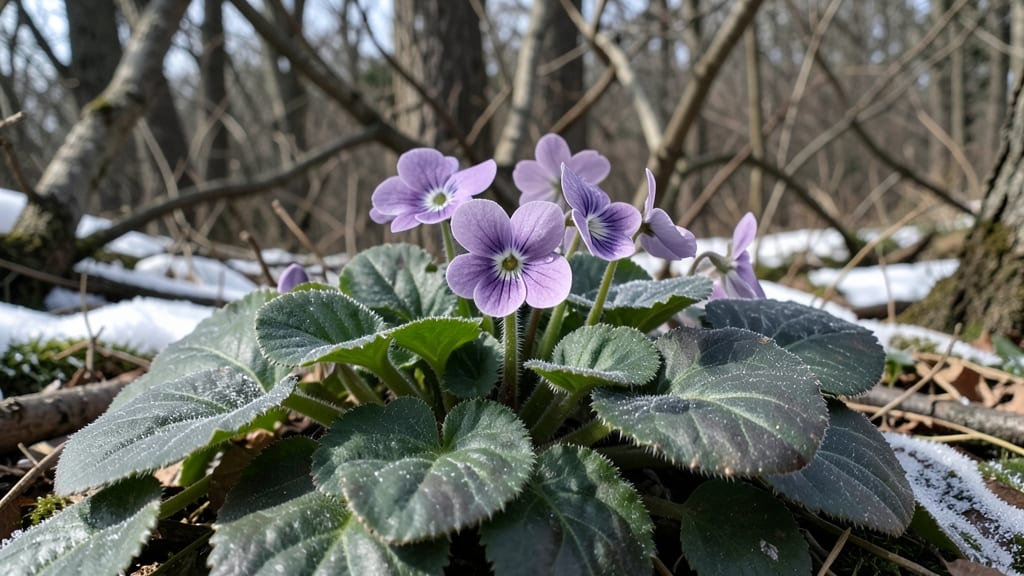
Late winter gardens can feel barren, but these hardy perennials prove nature’s resilience. Discover 10 frost-defying flowers that burst into color when others still sleep, brightening your landscape and lifting spirits.
Snowdrops Galanthus Nivalis: First Harbingers of Spring
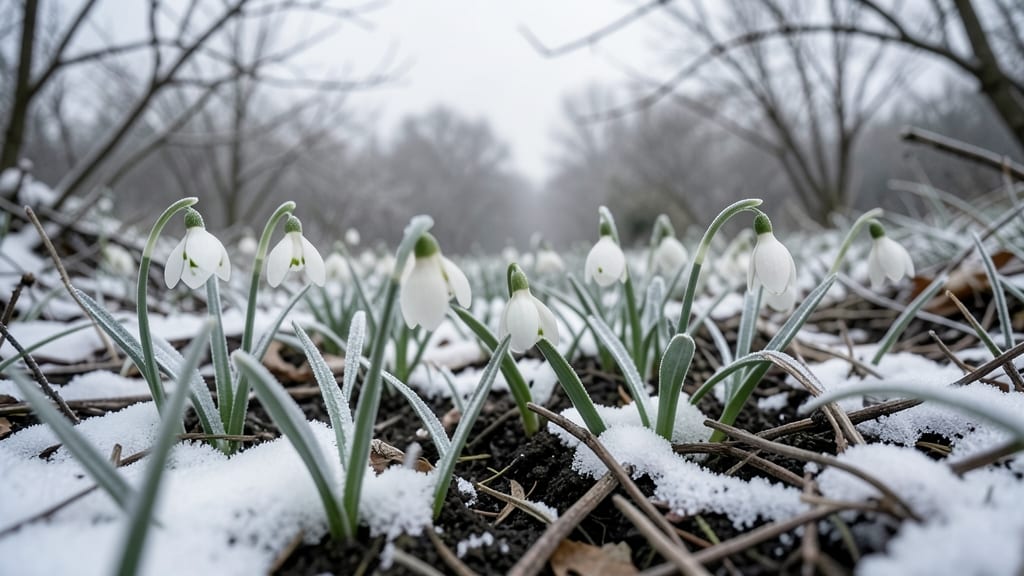
When your garden looks like a blank canvas under a winter blanket, snowdrops (Galanthus nivalis) punch through the snow with their delicate white bells—proof that spring is coming. These tiny but mighty bloomers thrive in deep shade and even bloom while still covered by snow, making them nature’s earliest promise of renewal.
Plant them in problem areas where deer browse or sunlight is scarce—they’re deer-resistant and flourish in USDA zones 3-8. Their low-maintenance nature means you can tuck them into borders, woodland gardens, or even under trees where other plants struggle. For best results, plant bulbs in fall (October-November) in well-drained soil, and watch them naturalize over time.
Perfect for gardeners who want year-round interest with minimal effort, snowdrops also symbolize hope and new beginnings—ideal for cottage gardens or as a gift for loved ones. 🌱
Winter Aconite Eranthis Hyemalis: Golden Stars in Cold Soil
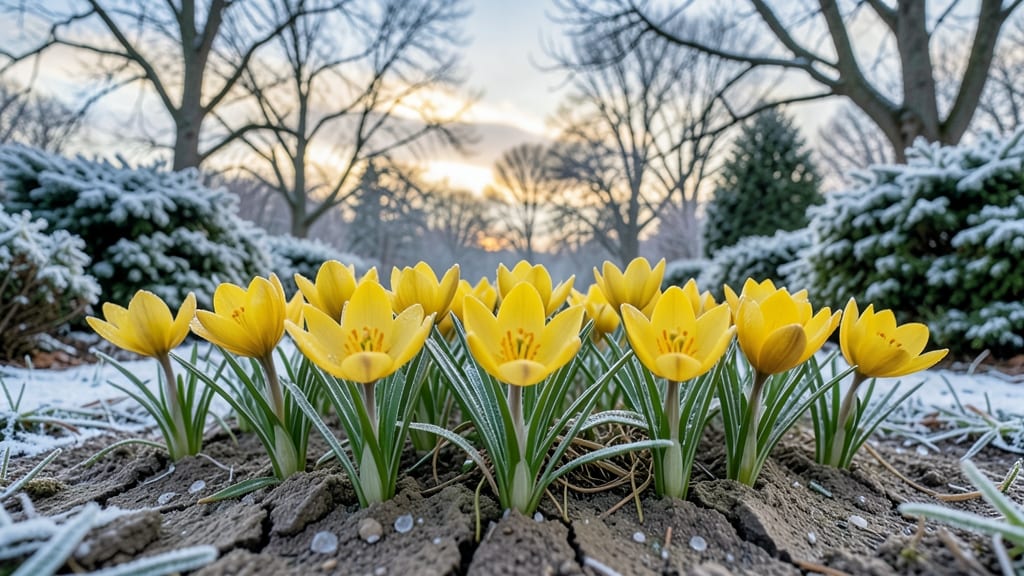
When your garden still looks like a winter wonderland and most plants are napping under frost, winter aconite (Eranthis hyemalis) throws a golden party. These cheerful, star-shaped blooms punch through frozen ground in late winter, often appearing as early as January in milder climates, offering a bold splash of sunshine when you need it most.
This hardy perennial thrives in full sun to partial shade and prefers well-drained soil, making it ideal for sunny borders, rock gardens, or even naturalizing in lawns. The bright yellow flowers not only brighten your landscape but also attract early pollinators like bees and butterflies, giving them a vital food source when other blooms are scarce. Plant bulbs in fall (4-6 inches deep) for a stunning early-season display that lasts for weeks.
Perfect for gardeners who want low-maintenance color without fuss, winter aconite is especially great for urban gardens or small spaces where you can tuck it into crevices or containers. Once established, it spreads gently, creating a carpet of golden cheer that’s impossible to ignore. 🌻
Crocus Vernus: Purple and White Cheer in Containers
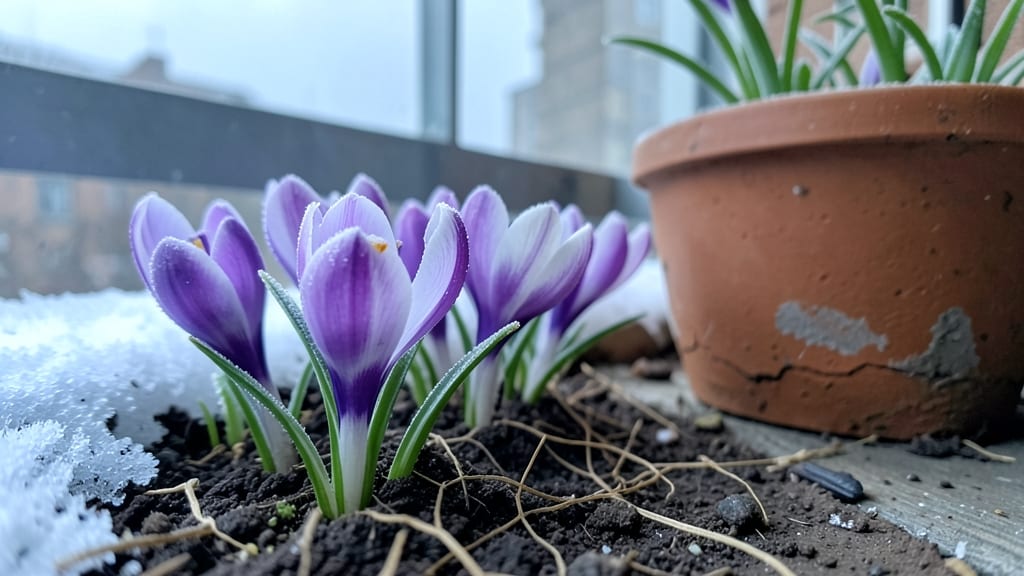
When you crave color before spring officially arrives, Crocus verus delivers with its striking purple and white blooms that poke through snow. Unlike many late-winter flowers, these dwarf crocuses thrive equally well in containers and garden borders, making them perfect for urban balconies or patio pots.
Plant bulbs in well-draining soil with full sun to partial shade, and they'll reward you with blooms in just 4-6 weeks. For indoor forcing, dig up bulbs in fall, pot them, and place in a cool, dark spot until stems appear—then move to bright light. Their fragrant blooms attract early pollinators like bees, giving your garden a head start on spring activity.
Urban gardeners and small-space enthusiasts will love how these low-maintenance perennials multiply over time, creating naturalizing drifts. Just remember: they’re deer-resistant and toxic-free, making them safe for pets and kids. 🌱
Hellebore Helleborus Niger: Evergreen Leaves with Nodding Blooms
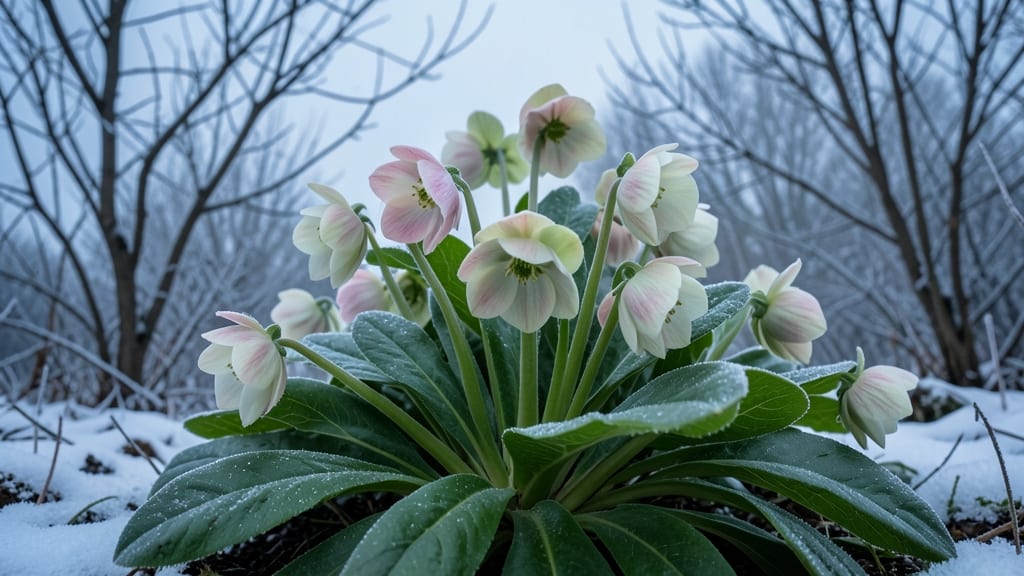
When your garden looks like a winter monochrome, hellebores step in as the unsung heroes—blooming through snow with their elegant, nodding flowers in white, pink, or soft green. Unlike spring ephemerals that vanish quickly, hellebores offer year-round interest with their glossy, evergreen leaves that stay vibrant even when other plants are dormant.
These shade-loving perennials thrive in woodland gardens, north-facing beds, or under trees where sunlight is scarce. Plant them in well-draining soil and water sparingly—overwatering is their only real enemy. Their late winter to early spring blooms (December–March) provide critical nectar for early pollinators like bees, making them a gardener’s ally for both beauty and ecology.
Perfect for beginners or urban gardeners with limited sun, hellebores reward patience with decades of low-maintenance color. Once established, they spread gently, creating a lush understory that feels like a secret garden. 💚
Dwarf Iris Iris Histrioides: Blue Jewels in Rocky Soil
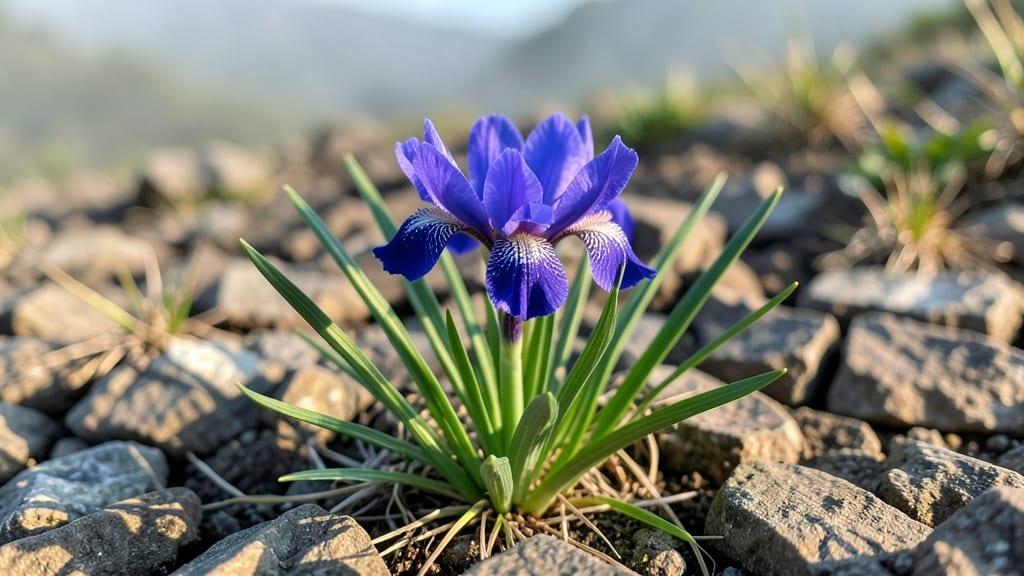
If you’ve ever struggled with poor, rocky soil or crave a native plant that thrives without fuss, **dwarf iris (Iris histrioides) is your answer. This hardy gem blooms in late winter, bringing vibrant blue to gardens when most plants are still dormant.
Native to the western U.S., these compact irises love well-drained, rocky soil and even tolerate drought once established. Their delicate, star-shaped blooms contrast beautifully with alpine plants or cottage garden borders, while their low-growing habit (just 6–12 inches tall) makes them perfect for rock gardens or sloped areas. Plant in full sun for best results, and watch them reward you with weeks of color before spring bulbs even emerge.
Perfect for beginner gardeners or those with challenging soil, these irises are also deer-resistant and low-maintenance, making them a standout choice for year-round interest**. 🌟
Lungwort Pulmonaria Officinalis: Spotted Leaves with Pink Blooms
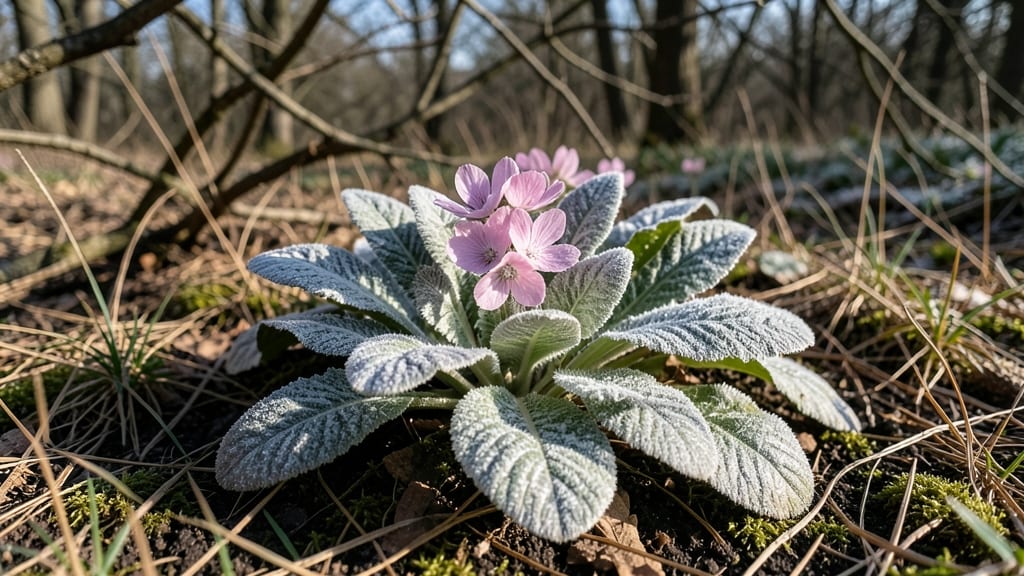
When your garden feels like a winter monochrome, lungwort (Pulmonaria officinalis) brings a splash of early color with its silver-spotted foliage and pink blooms that appear before most perennials wake up. This underrated gem thrives where others struggle—under trees, in shady corners, or even in rocky crevices—making it the perfect solution for forgotten garden spots.
Plant lungwort in partial to full shade, where its mottled leaves create striking contrast against dark soil or evergreens. The flowers shift from pink to blue as they age, offering a dynamic show that lasts for weeks. Bees adore its nectar, making it a pollinator magnet when few other flowers are in bloom. Simply divide clumps every few years to keep plants vigorous and spread cheer to new areas.
Ideal for woodland gardens, cottage-style beds, or even containers, lungwort rewards gardeners with year-round interest—its foliage stays attractive even after blooms fade. It’s especially valuable for shade gardeners who crave color without compromise. 🌿
Glory-of-the-Snow Chionodoxa Luciliae: Forget-Me-Nots for Winter
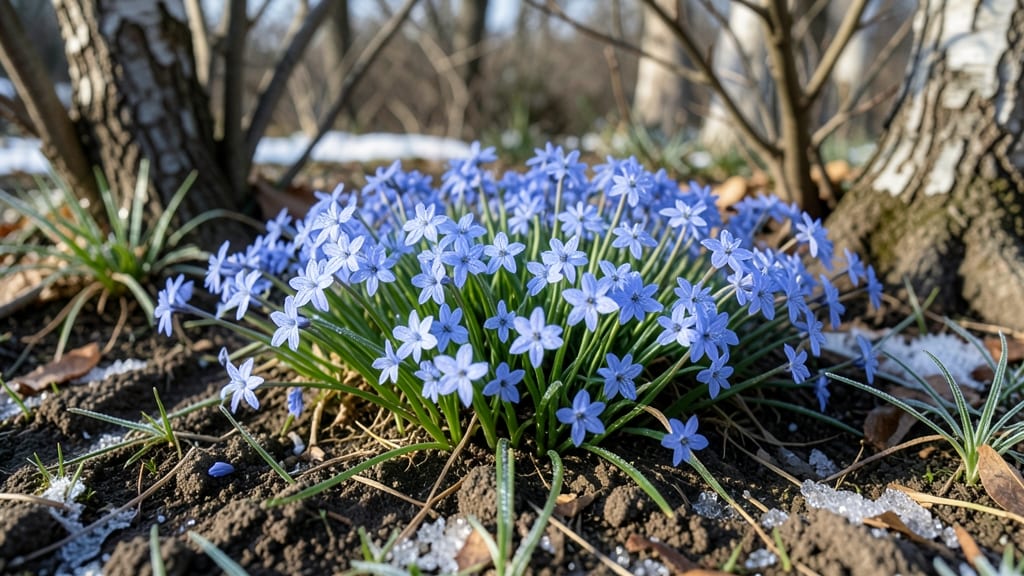
If you crave early-season color but hate waiting for spring, glory-of-the-snow (Chionodoxa luciliae) delivers a punch of tiny blue star-shaped blooms as soon as the ground thaws—often before forget-me-nots even appear. These delicate flowers thrive in USDA zones 3-9, making them one of the most reliable late-winter bloomers for cold climates.
Their grass-like foliage stays tidy, and they naturalize effortlessly in lawns or containers, spreading to create a carpet of blue. Plant bulbs in full sun to partial shade and well-drained soil for best results. A handful of bulbs will fill a border with cheerful color, while their deer-resistant nature makes them a low-maintenance choice for problem areas.
Perfect for urban gardeners, cottage-style borders, or even window boxes, these bulbs bring joy without demanding attention. Once established, they’ll return year after year, proving that winter gardens don’t have to be dull. 🌷
Winter Jasmine Jasminum Nudiflorum: Golden Cascades on Trellises
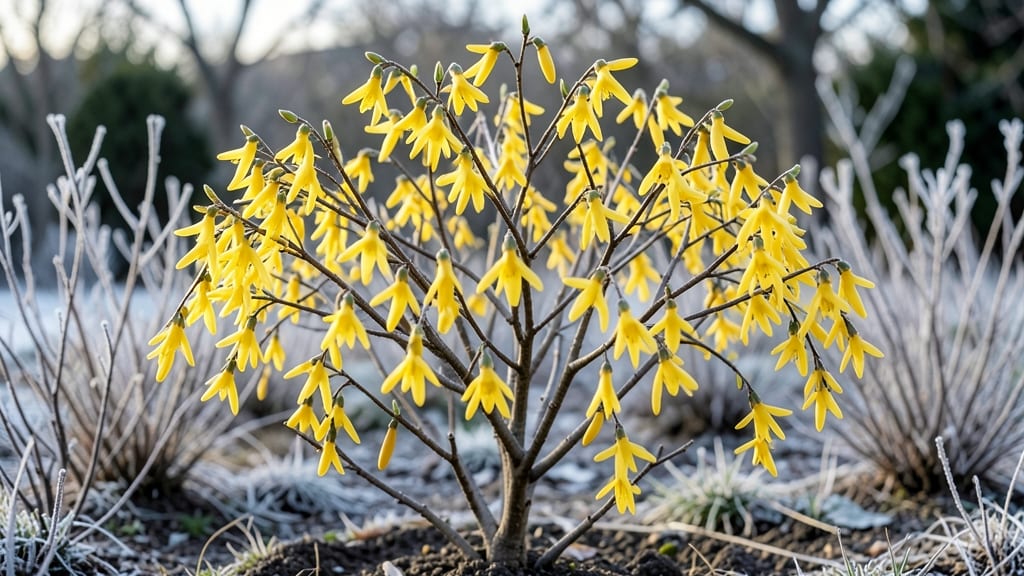
When your garden looks like a winter monochrome, winter jasmine (Jasminum nudiflorum) bursts onto the scene with bright yellow flowers that cascade like golden ribbons. Unlike true jasmine, this deciduous shrub thrives in cold climates and blooms from late winter to early spring, offering a cheerful contrast to bare branches.
Train its arching stems along trellises, fences, or arbors for a dramatic vertical display—each stem produces clusters of star-shaped blooms that last for weeks. It’s low-maintenance, tolerating full sun to partial shade and drought once established, making it perfect for urban gardens or small spaces. Prune after flowering to encourage bushier growth.
Ideal for gardeners who want instant winter color without fuss, winter jasmine transforms dull walls into living art. 🌻
Cyclamen Coum: Fragrant Pink and White Blooms
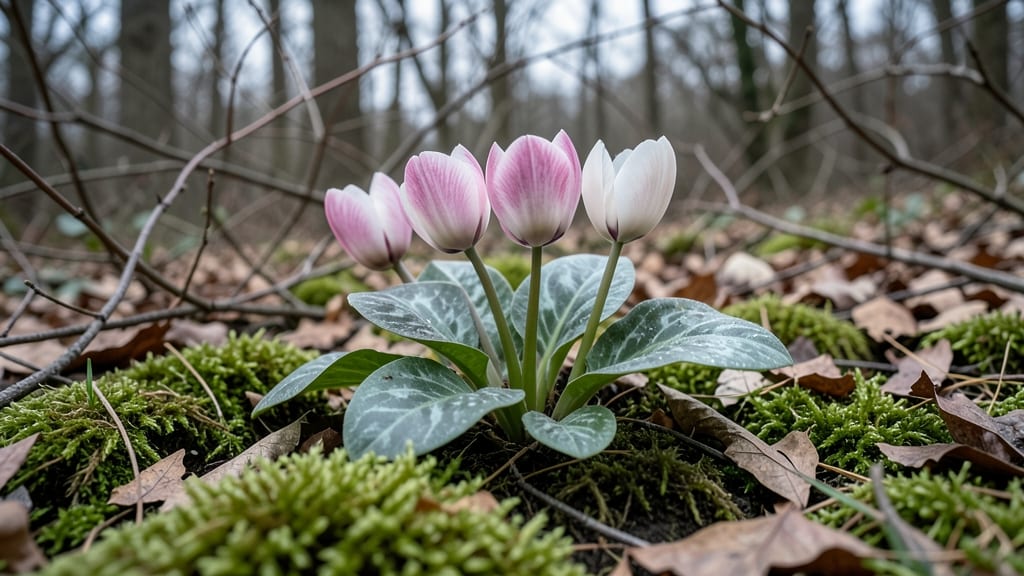
When your garden feels like a winter monochrome, cyclamen coum bursts onto the scene with fragrant pink or white blooms that smell like spring. Unlike its showy cousin, this woodland cyclamen thrives in partial to full shade, making it the perfect unsung hero for understory plantings or shaded borders.
Plant the tubers in fall (they dislike disturbance) in well-draining soil mixed with compost, and you’ll be rewarded with heart-shaped leaves that persist year-round. The flowers nod gracefully above the foliage, creating a whimsical, fairy-tale-like display that lasts from late winter into early spring. This cyclamen’s fragrance—often compared to honey—will lure you outside even on chilly days.
Perfect for shade gardeners or those with north-facing beds, cyclamen coum is low-maintenance once established. Just keep the soil consistently moist (but not soggy) and watch it multiply over time. 💚
Sweet Violet Viola Odorata: Fragrant Ground Cover for Shade

When your garden still looks like a winter wonderland in late February, sweet violets (Viola odorata) burst onto the scene with their fragrant purple blooms and lush green foliage. Unlike many late-winter flowers that demand full sun, these old-fashioned favorites thrive in shady corners where few other plants dare to grow.
Plant them in partial to full shade with well-draining soil, and they’ll spread into a living carpet that suppresses weeds while attracting early pollinators like bees and butterflies. The sweetly scented flowers (hence the name "odorata") make them perfect for cutting or simply enjoying up close. They’re also deer-resistant, which is a bonus for gardeners in rural areas.
Whether you’re filling a woodland garden, lining a shady path, or adding color to a container, sweet violets deliver year-round interest—their heart-shaped leaves stay attractive even after blooms fade. A true underdog of the garden, they prove beauty doesn’t need sunshine to shine. 💚