
Blooming
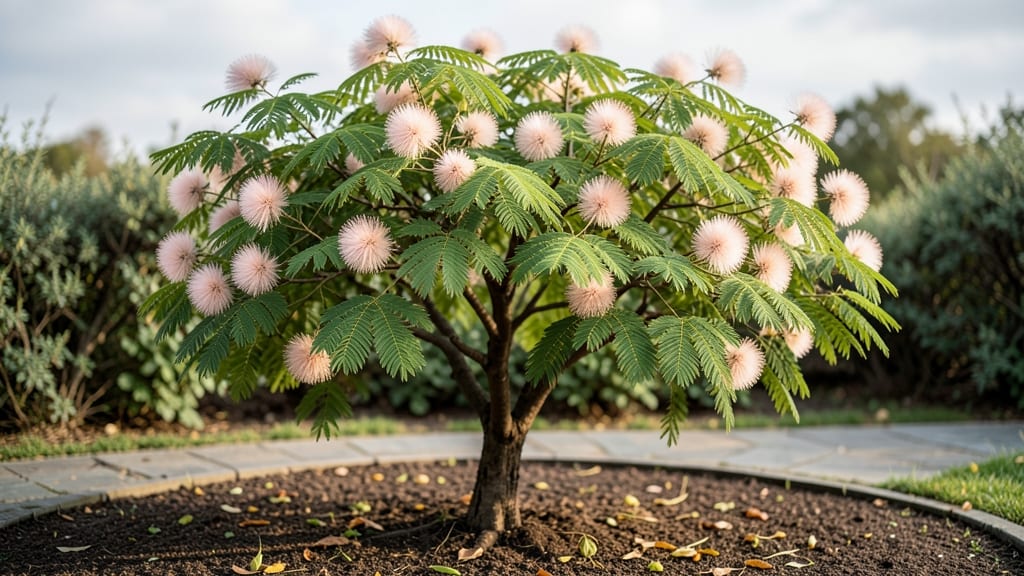
The mimosa tree bloom time depends on your climate, but most varieties burst into fuzzy pink flowers in late spring 🌸—usually between April and May in USDA Zones 6-9.
If you've ever waited eagerly for those signature clouds of blossoms, only to miss the window, you know timing matters. Too early, and frost can nip the buds; too late, and summer heat may delay the show.
The good news? With the right care, you can nudge your tree into blooming a little sooner—or at least predict when to expect that fragrant display.
Blooming isn’t just about the calendar—sunlight, soil, and even pruning play a role. In warmer zones like 8-9, mimosas often start flowering as early as March, while cooler areas in Zone 6 might see their first blooms in late May.
Understanding these factors helps you set expectations and give your tree the best chance to shine.
Below, I’ll break down exactly when to expect blooms in your area, how to encourage healthier flowers, and what to watch for as the season progresses. Ready to turn your backyard into a pink paradise?
Mimosa tree bloom time by USDA heat zones: when to expect flowers
Mimosa trees (Albizia julibrissin) are famous for their pink, fluffy blooms, but their bloom time varies dramatically based on your USDA heat zone. In warmer climates, you might see flowers as early as late winter, while cooler zones wait until mid-spring.
Understanding these patterns helps you plan for the most stunning displays.
Temperature plays a crucial role—mimosa trees need consistent warmth to trigger blooming. Frost-sensitive varieties may delay flowering until nighttime temperatures stay above 50°F (10°C). Southern gardeners often enjoy blooms by March or April, while Northern growers might not see them until May or June.
Here’s how your USDA zone impacts bloom timing, including average first-flower dates for common varieties:
For Albizia julibrissin, the classic mimosa, blooms typically last 3-4 weeks per cycle. In USDA Zone 9-11, you may even see a second bloom in late summer if conditions are ideal.
Meanwhile, Mimosa pudica hybrids (sensitive plant varieties) bloom later, often in May or June, and focus more on foliage than flowers.
If your tree isn’t blooming on schedule, check for these common issues: insufficient sunlight, poor soil drainage, or over-fertilizing with nitrogen. Mimosa trees need full sun (6+ hours daily) and well-draining soil to produce their best blooms.
In Zone 7 or colder, young trees may take 2-3 years to bloom after planting.
Pro tip: Prune your mimosa in late winter to encourage new growth and more abundant flowers. Remove dead or crossing branches to improve airflow, which helps buds form. Avoid heavy pruning in summer, as this can stress the tree and delay blooming.
In Southern climates (Zones 9-11), mimosa trees often bloom earlier and more prolifically due to milder winters. However, they may also suffer from heat stress in 100°F+ temperatures, which can shorten bloom cycles. Mulching around the base helps regulate soil temperature and retains moisture for healthier growth.
For gardeners in Northern zones (7-8), patience is key. Mimosa trees planted in containers may bloom 1-2 weeks earlier than those in the ground, thanks to better temperature control. If you’re in a cooler microclimate, consider planting near a south-facing wall to extend the growing season.
Remember, mimosa trees are not frost-tolerant. In Zone 7, protect young trees with burlap wraps during unexpected cold snaps. Even a single hard frost can damage buds, pushing back bloom time until the following spring.
With the right care, your mimosa tree can become a backyard showstopper year after year. Whether you’re in sunny Florida or cool Pennsylvania, timing your planting and maintenance will ensure those dreamy pink blooms appear when you expect them most.
How to accelerate mimosa tree blooming: pruning, sunlight & soil tips
Your mimosa tree (Albizia julibrissin) might be slow to bloom if it’s not getting the right care. The good news? With a few targeted adjustments—like pruning techniques, sunlight exposure, and soil conditions—you can encourage earlier and more abundant blooms.
Mimosa trees naturally flower in late spring to early summer, but optimal growing conditions can shift that timeline by weeks or even months.
Start by understanding your tree’s current environment. Mimosa trees thrive in full sun (6+ hours daily) and well-draining soil with a slightly acidic to neutral pH (6.0–7.5). If your tree isn’t blooming, it might be struggling with poor sunlight, compacted soil, or over-pruning.
Let’s fix that with actionable steps to bring out those iconic fuzzy pink flowers faster.
⚠️ Common Mistakes That Delay Blooming
Over-pruning in late winter can remove next year’s flower buds. Mimosa trees bloom on new wood, so aggressive cuts before spring reduce blooms. Also, shady spots or waterlogged soil stress the tree, diverting energy away from flowering. Fix these issues now to see faster results!
Let’s tackle pruning first, as this directly impacts bloom production. Mimosa trees bloom on new growth, so prune in late winter or early spring (just before buds swell) to shape the tree without sacrificing flowers.
Focus on removing dead, diseased, or crossing branches—avoid heavy cuts. For established trees, a light trim in summer after blooming can encourage bushier growth and more flowers next season.
Next, sunlight is non-negotiable for mimosa trees. If your tree is in partial shade, consider relocating it to a south-facing spot where it gets unfiltered sun for at least 6 hours daily. Even a few hours of afternoon shade can reduce blooms.
For potted mimosa trees, rotate the pot every few weeks to ensure even sunlight exposure on all sides. Yellowing leaves or sparse foliage are red flags for insufficient light.
Don’t overlook soil health—mimosa trees crave well-draining, slightly acidic soil. Test your soil’s pH (aim for 6.0–7.5) and amend with compost or peat moss if it’s too alkaline. Overwatering or clay soil can suffocate roots, leading to poor blooming.
Mulch around the base with 2–3 inches of organic mulch (like pine bark) to retain moisture and improve soil structure. Fertilize lightly in early spring with a balanced 10-10-10 formula to support flower production.
Finally, watering habits play a surprising role. Mimosa trees are drought-tolerant once established, but deep, infrequent watering (every 7–10 days) encourages stronger root growth, which leads to healthier blooms. Avoid shallow watering, which promotes weak roots.
If your tree is newly planted, water bi-weekly until it’s fully established (about 1–2 years). Pair this with morning watering to prevent fungal issues and maximize bloom potential.
With these adjustments—pruning at the right time, maximizing sunlight, and optimizing soil and water—your mimosa tree should reward you with earlier, more abundant blooms next season. Patience is key, but mimosa trees respond beautifully to consistent care. Happy gardening! 🌸