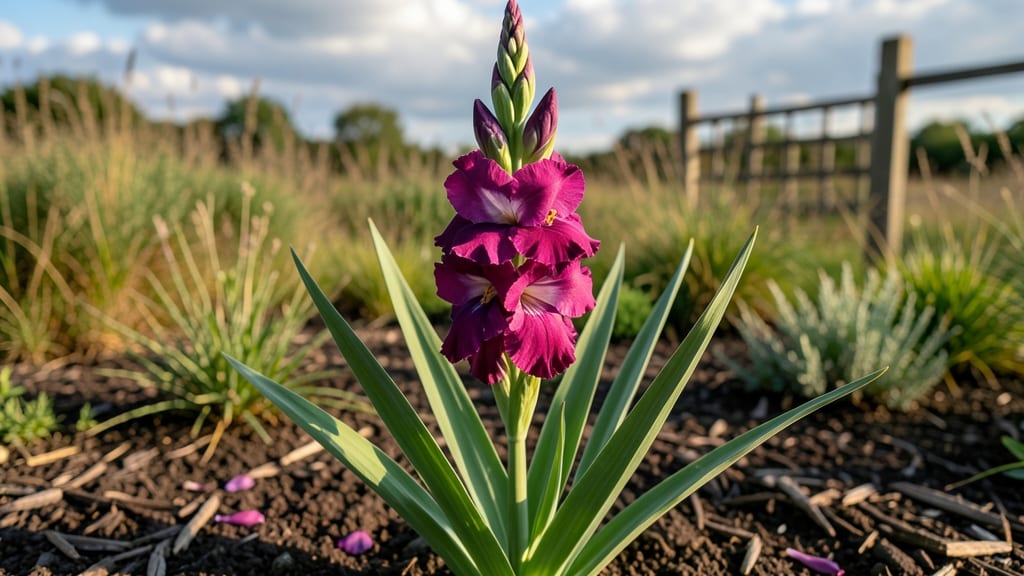
Gladiolus flowers bloom in late summer to early fall 🌸, triggered by heat and daylight length—but timing them right means the difference between a garden showstopper and a missed opportunity.
Did you know most varieties need 120 days from planting to peak bloom? That window shifts by 2-4 weeks depending on your zone, and planting too early or late can leave you with floppy stems instead of vibrant spikes.
The key is aligning your planting with local heat patterns, not just calendar dates.
In Zone 6a, where many gardeners grow gladiolus, the ideal planting window is April to early May, giving blooms time to mature before summer’s peak heat. But cooler zones or early varieties may bloom as early as July, while late-season types stretch into September.
Knowing your variety’s heat triggers lets you plan for a staggered display all season long.
Below, I’ll break down bloom times by variety, how to adjust planting for your zone, and the 3 biggest mistakes that sabotage blooms—so you can finally get the dramatic, long-lasting flowers you planted for.
Gladiolus bloom time by variety: heat-triggered stages explained
Did you know gladiolus blooms are triggered by heat—and timing them right can mean the difference between showstopping summer displays and wilted disappointment? Mastering the bloom cycle by variety and hardiness zone unlocks year-round garden magic.
These striking summer flowers thrive when planted at the right time and exposed to consistent warmth, with each variety having its own heat-triggered bloom window.
Gladiolus corms need 60-70°F soil temperatures to break dormancy and 75-85°F air temperatures to trigger blooming. Early varieties like 'Green Star' often bloom first, followed by mid-season favorites like 'Picasso', and late-season varieties like 'Black Star' extend your color show well into fall.
Understanding these heat thresholds helps you plan for staggered blooms all summer long.
Here's a breakdown of 10 popular varieties and their typical bloom windows, based on USDA hardiness zones 6-9. These timelines assume proper planting depth (4-6 inches) and full sun exposure (6+ hours daily).
Adjust for your specific zone by planting 4-6 weeks earlier in cooler climates or 2-3 weeks later in warmer regions.
| Variety |
Bloom Window |
Heat Trigger (°F) |
Height (ft) |
Color |
| Green Star |
Late June - Early July |
70-75°F soil |
3-4 ft |
Green/White |
| Picasso |
Early July - Mid July |
72-78°F soil |
4-5 ft |
Bicolor (Pink/White) |
| Black Star |
Mid August - September |
75-80°F soil |
4-5 ft |
Deep Purple/Black |
| White Prosperity |
Early July - Late July |
70-76°F soil |
3-4 ft |
Pure White |
| Dixie Friendship |
Late July - Early August |
73-79°F soil |
4-5 ft |
Pink/White |
| Swan Lake |
Mid July - Late July |
72-77°F soil |
3-4 ft |
White/Blue |
| Top Notch |
Mid August - September |
75-80°F soil |
4-5 ft |
Red/White |
| Pink Parfait |
Early July - Mid July |
70-75°F soil |
3-4 ft |
Pink |
| Orange Grove |
Late July - Early August |
73-78°F soil |
4-5 ft |
How to time gladiolus planting for perfect bloom windows in your zone
Timing your gladiolus planting isn't just about avoiding frost—it's about syncing with your local heat patterns. These heat-loving flowers need consistent warmth to trigger blooming, and planting too early or late can leave you with floppy stems or no flowers at all.
The key? Understanding your USDA zone and soil temperature thresholds.
In Zones 3-5, where frosts linger, I plant gladiolus corms 4-6 weeks after your last expected frost date—typically mid-May. Warmer zones (6-9) can start as early as March or April, but only if soil temperatures stay above 60°F (15°C).
A soil thermometer is your best friend here—plant when the ground warms up consistently.
🌡️ Zone-Specific Gladiolus Planting Timeline
- Zones 3-5: Plant May 15-June 1 for July-August blooms (soil temps ≥60°F).
- Zones 6-7: Plant April 1-May 15 for June-September blooms (soil temps ≥55°F).
- Zones 8-9: Plant February-March for May-October blooms (soil temps ≥50°F).
- Cooler zones tip: Use black plastic mulch to warm soil 2-3 weeks faster.
- Staggered blooms: Plant 3 batches 2 weeks apart for extended color.
For staggered blooms, I recommend planting in three successive batches, two weeks apart. This ensures you'll have fresh flowers every 2-3 weeks throughout summer.
For example, in Zone 7, plant the first batch on April 15, the second on May 1, and the third on May 15. Each batch will bloom sequentially, giving you a non-stop floral display.
In cooler climates (Zones 3-5), extend your bloom season by choosing early-season varieties like 'Green Star' or 'White Friendship'. These varieties tolerate cooler soil temperatures and bloom 2-3 weeks earlier than standard types. Pair them with heat-loving varieties like 'Picasso' for a longer display.
One of my favorite tricks for Zone 6 and below is using row covers after planting. These lightweight fabrics trap heat during the day and protect against late frosts.
Remove them once soil temperatures stabilize above 60°F (15°C). This can push your bloom window 1-2 weeks earlier without risking frost damage.
Remember, gladiolus corms need 6-8 hours of sunlight daily to bloom properly. If you're in a shadier climate, choose partial-shade varieties like 'Pink Parfait' or 'Apricot with Eyes'.
For full sun gardens, standard varieties will reward you with taller, more vibrant blooms. Always plant in well-draining soil to prevent rot—waterlogged corms won't bloom!
★★★★★4.6(6 reviews)
|